
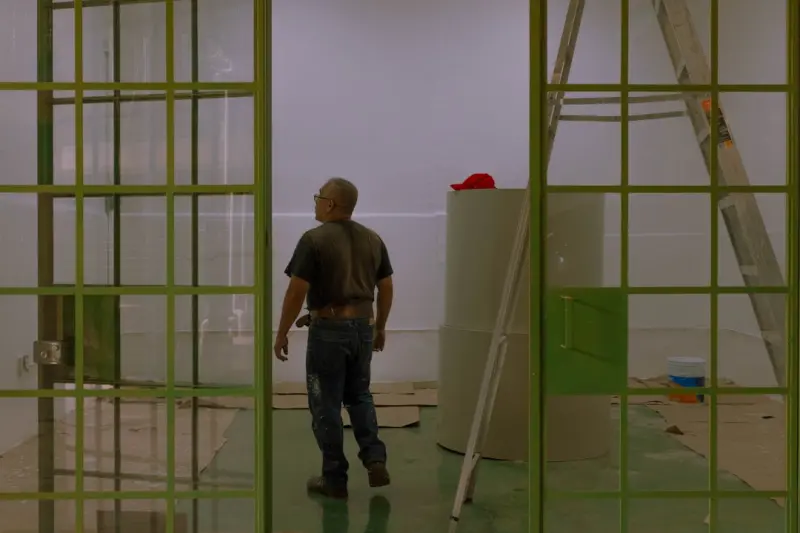
Why Drywall Is No Longer the Boring Backdrop It Used to Be
When I first picked up a hawk‑bit in my early twenties, drywall was the quiet side‑kick to the flashy work of cabinets, tiles, and lighting. It was the flat, white canvas you painted over and hoped nobody would notice. Fast forward a decade, and the humble gypsum board has quietly staged a comeback—fuelled by new materials, smarter tools, and a growing awareness of indoor health. In this post I’ll walk you through the trends that are turning drywall from a background player into a starring role, and share the practical steps you can take today to ride this wave.
1. Low‑VOC Joint Compounds: Breathing Easier Behind the Walls
Everyone talks about “green” paint, but the joint compound that fills those seams often flies under the radar. Traditional mud is a cocktail of limestone, clay, and a handful of volatile organic compounds (VOCs) that linger long after the drywall is hung. Those fumes can trigger headaches, eye irritation, and, over time, contribute to poor indoor air quality.
Enter low‑VOC, zero‑odor compounds. Formulated with soy‑based binders and water‑soluble additives, they achieve the same smooth finish while slashing VOC emissions by up to 90 %. The health benefits are immediate: less dust, fewer chemical odors, and a healthier environment for both occupants and installers.
Pro tip: when you order your mud, ask the supplier for a low‑VOC certification sheet. It’s a small step that pays dividends on the overall building maintenance plan, keeping your HVAC system from working overtime to filter out unnecessary pollutants.
2. Smart Drywall Tools: From Manual Saws to Bluetooth‑Enabled Sanders
If you’ve ever spent an afternoon wrestling a hand‑saw against a 12‑foot sheet, you know the struggle is real. New electric tools are changing that narrative:
- Laser‑Guided Cutters: These handheld devices project a straight line onto the board, guaranteeing precision cuts every time, even on angled walls.
- Bluetooth‑Connected Drywall Sanders: They sync with an app that monitors dust output, battery life, and even suggests optimal sanding speed based on the compound you’re using.
- Self‑Leveling Screws: These screws adjust their torque automatically, reducing the risk of over‑driving and creating a smoother final surface.
Investing in these gadgets might feel like a splurge, but the time saved (often cutting installation time by 30 %) and the reduction in re‑work make them a smart ROI for contractors and DIY‑enthusiasts alike.
3. Moisture‑Resistant Boards for the Modern Home
Gone are the days when you only considered moisture‑resistant drywall for bathrooms. With the rise of open‑plan living—think kitchens flowing into dining areas—walls now share space with steam, splashes, and occasional spills.
Today's MR (Moisture‑Resistant) boards incorporate a polymer‑enhanced core that repels water without compromising fire resistance. They’re lighter than traditional panels, making them easier to handle and reducing labor costs.
When planning a renovation, ask yourself: “Will this wall ever see a splash?” If the answer is “yes,” upgrade to MR drywall now rather than retrofitting later.
4. Textured Finishes: Giving Personality to the Flat Surface
While many still opt for a perfectly smooth wall, texture is experiencing a quiet renaissance. From subtle “knockdown” patterns to bold “popcorn” revivals (in sound‑critical rooms), texture can:
- Improve acoustics: Certain patterns break up sound waves, reducing echo in open offices or home theaters.
- Mask imperfections: Minor seams or small dents become less noticeable on a textured surface.
- Elevate aesthetic: A well‑chosen finish can set a tone—industrial, rustic, or ultra‑modern—without the need for costly wallcoverings.
If you’re hesitant about texture, start with a small accent wall. It’s a low‑commitment way to test the look and gauge how it meshes with your overall design palette.
5. Drywall as a Platform for Integrated Technology
Smart homes are no longer limited to thermostats and voice assistants; they’re now hiding behind the walls. Modern drywall can accommodate:
- In‑wall power rails: Low‑voltage conduits that power LED strips, sensors, or charging stations without visible cords.
- Wireless repeaters: Small modules that boost Wi‑Fi signals, especially useful in large open‑plan offices.
- Air quality sensors: Devices that monitor humidity, VOCs, and CO₂ levels, feeding data to a central building management system.
When you order your sheets, ask the supplier if they’re compatible with these in‑wall accessories. It’s a future‑proofing move that can increase property value and tenant satisfaction.
6. Prefabricated Wall Systems: Speed Meets Quality
Prefabricated drywall panels—sometimes called “drywall kits”—come pre‑cut, pre‑taped, and pre‑finished. They’re shipped flat and assembled on‑site like a giant puzzle. Benefits include:
- Reduced waste: Precise cuts mean fewer off‑cuts ending up in the landfill.
- Consistent finish: Factory‑controlled environments ensure uniform joint compound application.
- Quicker turnover: Projects that once took weeks can now be completed in days, a huge advantage for commercial tenants needing minimal downtime.
If you’re managing a multi‑unit renovation, ask your contractor about prefabricated options. The initial cost may be slightly higher, but the time saved often translates to a lower overall budget.
7. The Finishing Touch: Pairing Drywall with Strategic Paint
All the advanced drywall work in the world will be undercut if the final coat of paint doesn’t play nice. This is where Strategic Painting comes into play. Choose paints that complement the texture you’ve installed, and consider low‑VOC, mildew‑resistant options to maintain the air‑quality gains you made earlier.
A good rule of thumb: match the sheen of your paint to the wall’s purpose. Matte finishes hide minor imperfections on textured walls, while semi‑gloss works well in high‑traffic zones that need a bit of extra durability.
8. Maintenance Mindset: Proactive Care After Installation
Drywall, like any building component, benefits from a proactive maintenance plan. Small cracks can become large fissures if left unchecked, especially in high‑humidity areas.
Integrate drywall inspections into your regular property check‑ups. Look for:
- Hairline cracks near window frames.
- Separation at corners where plaster may be pulling away.
- Signs of moisture staining on MR boards.
Addressing these issues early prevents costly repairs down the line and keeps the interior looking fresh. For a broader perspective on upkeep, see our guide on Proactive Property Care.
9. Sustainability Beyond the Board
While we’ve highlighted low‑VOC compounds and prefabricated panels, sustainability also includes end‑of‑life considerations. Gypsum can be recycled into new drywall or used as a soil amendment in agriculture. When specifying materials, ask suppliers about their recycling programs and consider partnering with local contractors who prioritize reclaimed boards.
10. Bringing It All Together: Your Drywall Roadmap
To turn these trends into actionable steps, here’s a quick checklist you can follow on your next project:
- Assess the environment: Identify high‑moisture zones and decide if MR boards are needed.
- Select low‑VOC compounds: Verify certifications before purchase.
- Choose the right tools: Invest in laser‑guided cutters and Bluetooth sanders for efficiency.
- Decide on texture: Test a small area before committing to a full‑wall finish.
- Plan for technology: Map out any in‑wall power rails or sensors early.
- Consider prefabricated panels: Get quotes and compare lead times.
- Pick strategic paint: Align sheen and VOC levels with your drywall choices.
- Set a maintenance schedule: Include quarterly inspections for cracks and moisture.
- Explore recycling options: Close the loop on any waste generated.
By approaching drywall with this holistic mindset, you’re not just building walls—you’re crafting healthier, smarter, and more resilient spaces.

When it comes to the world of blogging and writing, Rose DesRochers is a name that stands out. Her passion for creating quality content and connecting with her audience has made her a trusted voice in the industry. Aside from her skills as a writer and blogger, Rose is also known for her compassionate nature.
Related Posts
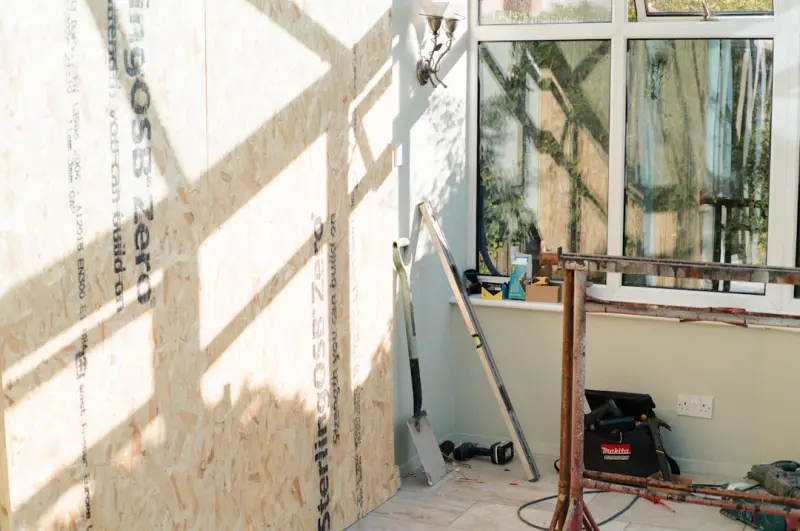
Elevating Drywall: Integrating Sensors and Sustainable Materials for Modern Buildings
This article explores how drywall can evolve beyond a simple finish by embedding sensors and using s... Read More
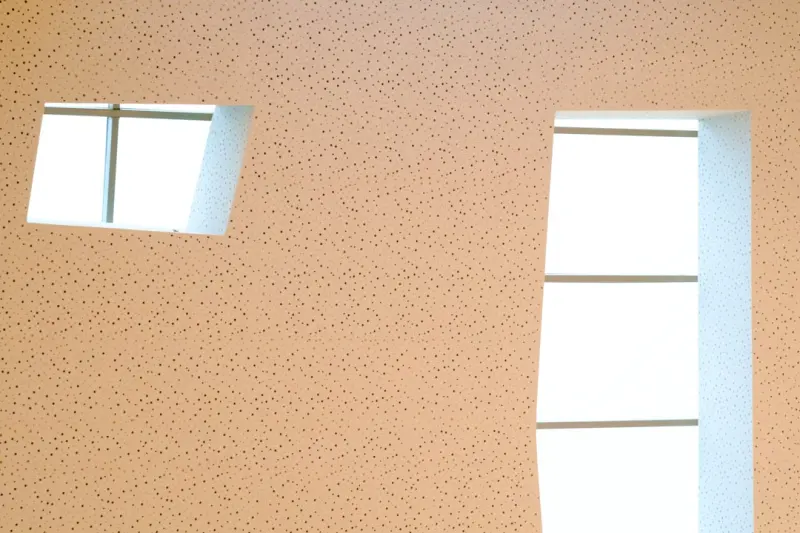
Creative Drywall Finishes: Turning Plain Walls into Personalized Spaces
Explore how to upgrade drywall from a simple partition to a design asset with creative finishes, sou... Read More
Eco‑Friendly Drywall: Sustainable Materials, Healthier Homes
Explore sustainable drywall choices, eco‑friendly installation methods, and future bio‑based tre... Read More
Top Posts

Strategic Renovation Checklist: Building Future‑Ready Spaces
A deep‑dive strategic renovation checklist that moves beyond a simple to‑do list, integrating vision alignment, system integration, sustainable materials, a...Read More
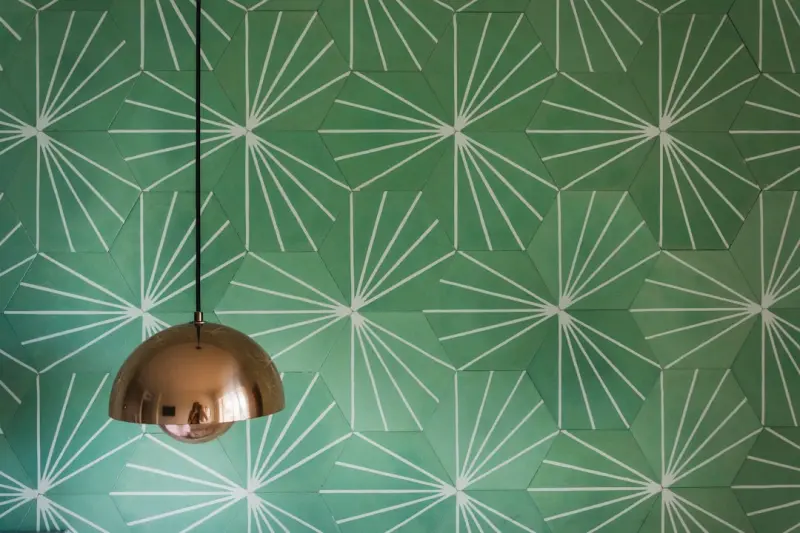
Beyond Plain Walls: How Next‑Gen Wallpaper Is Shaping Modern Interiors
Modern wallpaper blends acoustic performance, AI‑generated designs, eco‑conscious materials, and hidden sensors, turning walls into functional, stylish plat...Read More

Weather‑Proof Your Home: Proven Strategies for Comfort and Savings
Ready to shield your home from harsh weather? Discover proven, sustainable upgrades, DIY tricks, and smart tech that boost comfort, lower bills, and keep the el...Read More

Restoring Furniture as Sustainable Storytelling: Data, Craft, and Circular Design
A deep dive into merging traditional furniture restoration with predictive data, sustainable materials, and scalable business models, showing how each piece can...Read More
0 Comments
Post Comment
You will need to Login or Register to comment on this post!