
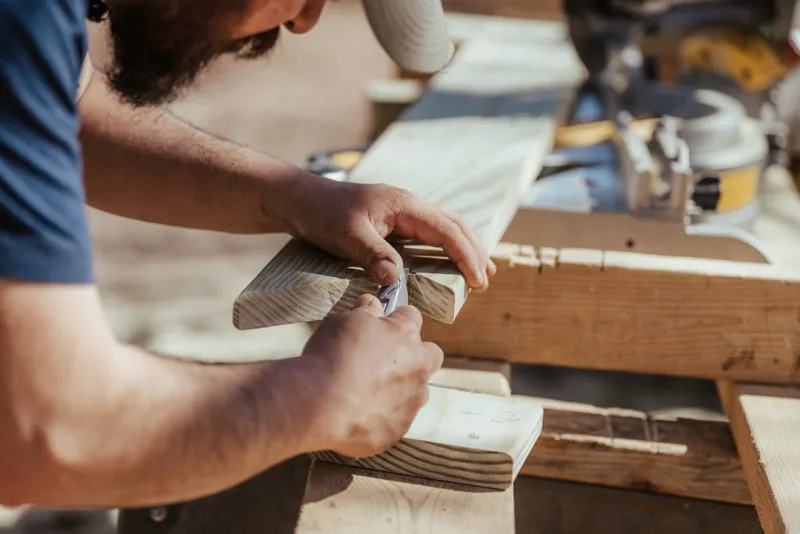
Sustainable Woodworking: How Eco-Friendly Practices Are Changing the Game
As a woodworking enthusiast, I've always been passionate about creating beautiful and functional pieces that bring joy to those who use them. However, I've come to realize that my hobby has a significant impact on the environment. From the harvesting of raw materials to the disposal of waste, woodworking can be a destructive process if not done sustainably. In recent years, I've made a conscious effort to adopt eco-friendly practices in my woodworking projects, and I'm excited to share my journey with you.
The Importance of Sustainable Sourcing
One of the most critical aspects of sustainable woodworking is sourcing materials responsibly. This means choosing wood that is certified by organizations such as the Forest Stewardship Council (FSC) or the Programme for the Endorsement of Forest Certification (PEFC). These organizations ensure that the wood is harvested from forests that are managed sustainably, and that the rights of indigenous communities are respected. By choosing sustainable wood, we can help to preserve the world's forests for future generations. I've found that sustainable closet design is a great way to incorporate eco-friendly materials into your woodworking projects.
Reducing Waste and Energy Consumption
Another key aspect of sustainable woodworking is reducing waste and energy consumption. This can be achieved by planning projects carefully, using efficient cutting techniques, and reusing or recycling waste materials. For example, I often use wood scraps to create smaller projects such as birdhouses or cutting boards. I've also invested in energy-efficient tools and equipment, such as LED lighting and a dust collector that uses less energy than traditional models. By reducing waste and energy consumption, we can minimize our impact on the environment and create a more sustainable future.
The Benefits of Sustainable Woodworking
So, what are the benefits of sustainable woodworking? For one, it allows us to create beautiful and functional pieces while minimizing our impact on the environment. Sustainable woodworking also promotes a healthier work environment, as it reduces the amount of dust and chemicals in the air. Additionally, sustainable woodworking can be a cost-effective option, as it reduces waste and energy consumption. I've found that sustainable woodworking has also helped me to develop a greater appreciation for the natural world and the importance of preserving it for future generations.
Case Study: Sustainable Furniture Making
One of my favorite sustainable woodworking projects is creating furniture pieces using reclaimed wood. I've worked on several projects using wood from old barns, trees that have fallen, or wood that would otherwise end up in a landfill. Not only does this reduce waste, but it also creates unique and character-filled pieces that tell a story. For example, I once created a coffee table using wood from an old barn that had been abandoned for decades. The wood had a beautiful patina and a rich history, and the finished piece was truly one-of-a-kind.
Incorporating Sustainable Practices into Your Woodworking Projects
So, how can you incorporate sustainable practices into your woodworking projects? Here are a few tips:
- Choose sustainable materials, such as FSC-certified wood or reclaimed wood.
- Plan your projects carefully to minimize waste.
- Use energy-efficient tools and equipment.
- Consider repurposing or recycling waste materials.
- Look for inspiration in sustainable woodworking projects, such as sustainable closet organization.
Conclusion
Sustainable woodworking is not just a trend; it's a movement towards a more environmentally conscious and responsible way of creating. By adopting eco-friendly practices, we can minimize our impact on the environment and create beautiful and functional pieces that bring joy to those who use them. Whether you're a seasoned woodworker or just starting out, I encourage you to join me on this journey towards sustainable woodworking. Together, we can make a difference and create a more sustainable future for generations to come. For more information on sustainable practices, check out The Critical Role of Sustainable Practices in Home Inspections.
Future of Sustainable Woodworking
The future of sustainable woodworking is bright, with more and more woodworkers and manufacturers embracing eco-friendly practices. As consumers become more environmentally conscious, the demand for sustainable products is on the rise. This trend is driving innovation in the woodworking industry, with new materials and technologies being developed to support sustainable practices. As woodworkers, we have a critical role to play in shaping the future of sustainable woodworking and promoting eco-friendly practices throughout the industry.
Getting Started with Sustainable Woodworking
If you're new to sustainable woodworking, getting started can seem overwhelming. However, it's easier than you think. Start by assessing your current practices and identifying areas for improvement. Consider taking a course or workshop on sustainable woodworking to learn new skills and gain inspiration. You can also join online communities or forums to connect with other sustainable woodworkers and share ideas. Whatever your level of experience, I encourage you to join the sustainable woodworking movement and start creating a more environmentally conscious and responsible future.
Additional Resources
For more information on sustainable woodworking and eco-friendly practices, check out the following resources:
- The Forest Stewardship Council (FSC)
- The Programme for the Endorsement of Forest Certification (PEFC)
- Local sustainable woodworking groups and online forums
By working together, we can create a more sustainable future for woodworking and for our planet.

Tom Ferguson is a Canadian freelance writer with a passion for storytelling, current events, and thoughtful commentary. Drawing on years of writing experience, he shares engaging insights on a wide range of topics, bringing a uniquely Canadian perspective to his work.
Related Posts

Seeing is Cutting: How Augmented Reality is Transforming Woodworking
Augmented reality is reshaping the woodworking shop, offering real‑time visual overlays for cuts, ... Read More

Rediscovering Handcrafted Joinery: Why the Needle‑Nose Still Matters
A deep dive into the resurgence of hand‑cut joinery, showing how reclaimed timber, ergonomic works... Read More
Reimagining Woodworking: Harnessing Digital Fabrication for Timeless Craft
A deep dive into blending CNC precision with classic joinery, offering practical tips, sustainabilit... Read More
Top Posts

AI‑Powered Personalization: The Next Wave in Interior Design
AI is reshaping interior design by turning client preferences into actionable data, enabling rapid, immersive visualizations and sustainable material choices, a...Read More
Modular Woodworking: Building Flexibility into Your Shop
A deep dive into modular workbench designs, subtle tech integrations, and sustainable sourcing that empower woodworkers to scale and adapt without sacrificing c...Read More

Electrify Your Workspace: Turning Power Into a Strategic Asset
A deep dive into making electricity a proactive, data‑driven advantage for modern workplaces, covering IoT sensors, modular architecture, and sustainability i...Read More
Reviving Old Walls: Modern Waterproofing Tactics for Historic Homes
Learn how breathable membranes, nanotech coatings, and smart maintenance keep historic homes dry, healthy, and beautiful—while honoring their original charact...Read More
0 Comments
Post Comment
You will need to Login or Register to comment on this post!