

When I first walked into a bustling open‑plan loft, the clatter of keyboards, the hum of conversation, and the distant thrum of traffic collided in a chaotic chorus. It was an eye‑opener: beautiful aesthetics alone couldn’t mute the auditory overload that left me yearning for a sanctuary within my own home. That moment sparked a fascination that has since guided my design philosophy—creating interior spaces where sight and sound work in harmony. Welcome to the world of acoustic zoning, the art and science of carving quiet corners in modern interiors.
Why Acoustic Zoning Matters More Than Ever
Our lives have become louder. Remote work, home gyms, streaming media, and the omnipresence of smart devices generate a constant soundscape that can erode focus, sleep quality, and even mental health. While many designers champion bold color palettes or bold furniture, they often overlook a silent protagonist: sound. Acoustic zoning isn’t just about reducing noise; it’s about sculpting it—designating spaces for concentration, relaxation, and social interaction, each with its own sonic signature.
Research shows that prolonged exposure to high decibel levels can raise cortisol, the stress hormone, and diminish productivity by up to 15 %. Conversely, thoughtfully designed quiet zones can boost creative output, improve sleep, and even enhance relationships by providing spaces where conversation can flow without echo.
Understanding the Science of Sound in Interior Spaces
Sound travels in three primary ways: airborne (through the air), structure‑borne (through walls, floors, and ceilings), and impact‑borne** (from vibrations). Effective acoustic zoning requires addressing each pathway:
- Airborne noise—think voices, music, or street traffic—can be mitigated with absorptive materials like acoustic panels, heavy curtains, or upholstered furniture.
- Structure‑borne vibrations—the thud of a downstairs footfall—are dampened using resilient underlayments, floating floors, or decoupled wall systems.
- Impact‑borne sounds—the click of a laptop keyboard—benefit from soft‑touch desk surfaces and ergonomic accessories that absorb vibration.
When these elements are considered holistically, you can create layers of sound control that feel intuitive rather than forced.
Design Strategies for Quiet Zones
Acoustic zoning begins with a clear program: identify which rooms need silence, which thrive on buzz, and how they interact. Below are three proven strategies that I’ve refined over the years:
1. Spatial Segmentation with Soft Boundaries
Instead of solid walls, use soft separators—bookshelves, tall plant walls, or fabric‑covered sliding panels—to create “acoustic islands.” These elements absorb mid‑frequency sounds while still allowing visual connectivity. A tall, densely‑planted smart sensor setup can even monitor ambient noise levels, automatically dimming or closing partitions when thresholds are exceeded.
2. Material Palette That Marries Form and Function
Choose finishes that double as sound absorbers:
- Acoustic ceiling tiles—available in sleek, low‑profile designs that blend with modern aesthetics.
- Velvet or heavy linen upholstery—adds a tactile richness while trapping sound.
- Reclaimed wood paneling—its irregular grain diffuses sound waves, adding warmth and sustainability.
- Rubber‑infused flooring—perfect for home gyms or music rooms where impact sounds dominate.
3. Zoning Through Lighting and Color
Visual cues reinforce acoustic intent. Cooler, muted tones and low‑intensity lighting signal a “focus” zone, while warmer hues and layered illumination invite relaxation. The psychological link between color and perceived noise is subtle but powerful—soft blues can make a room feel quieter, whereas bright yellows amplify energy.
Materials That Mute: A Deep Dive
Below is a curated list of high‑performing materials that have become staples in my acoustic projects:
- Mineral wool panels—dense yet breathable, excellent for wall and ceiling applications.
- Acoustic foam wedges—ideal for home studios; they scatter sound waves, reducing echo.
- Cork flooring—naturally resilient, it softens footfalls while adding an organic texture.
- Hemp‑based insulation—sustainable and highly effective at dampening airborne noise.
- Fabric‑wrapped acoustic baffles—hung from ceilings, they act as visual art pieces while absorbing sound.
Pairing these with decorative elements ensures you’re not sacrificing style for performance. A cork wall, for instance, can double as a gallery space for rotating artwork.
Tech‑Enabled Listening: The Role of Smart Sensors
Modern interiors can now listen to themselves. By integrating unobtrusive smart sensor solutions, designers gain real‑time data on decibel levels, reverberation time, and even the frequency spectrum of ambient noise. This data feeds into building management systems that can automatically adjust:
- Motorized acoustic panels that close when noise spikes.
- White‑noise generators calibrated to mask intrusive sounds without overwhelming the space.
- HVAC fan speeds that adapt to maintain optimal acoustic comfort.
When paired with predictive HVAC maintenance, the system ensures that duct vibrations never become an unwanted soundtrack.
Case Study: From Open‑Plan Chaos to Calm
One recent client—a tech startup founder—wanted an open‑plan home office that still offered a private “think tank” for deep work. Here’s how we transformed the space:
- Assessment: A modern home inspection identified structural‑borne noise traveling through the shared floor.
- Layered Zoning: We introduced a floating floor over the main work area, reducing impact noise by 70 %.
- Acoustic Art: Custom acoustic panels featuring abstract prints were installed on the walls facing the “think tank,” absorbing mid‑frequency chatter while serving as focal points.
- Smart Adaptation: Sensors monitor ambient sound; when it exceeds 45 dB, motorized curtains close and a low‑level white‑noise soundtrack begins.
The result? A sleek, collaborative environment that can instantly morph into a whisper‑quiet zone, boosting the client’s productivity by an estimated 20 %.
Future Trends: Where Acoustic Zoning Is Headed
Looking ahead, three developments will reshape how we think about interior sound:
- AI‑driven acoustic modeling—software that predicts how furniture placement will affect reverberation, allowing designers to iterate virtually before any material is purchased.
- Biophilic soundscapes—integrating natural sounds like rustling leaves or distant water to mask urban noise, creating a restorative ambience.
- Modular acoustic furniture—pieces that can be reconfigured on the fly, catering to the increasingly fluid ways we use our homes.
By staying attuned to these innovations, interior designers can craft environments that not only look good but also feel good—sonically, emotionally, and physically.
Putting It All Together: Your Blueprint for Quiet Corners
Creating acoustic zoning is a layered process, but the payoff is immeasurable. Here’s a quick checklist to get you started:
- Map out acoustic objectives—determine which zones need silence, which can tolerate moderate noise.
- Conduct a sound audit—use a decibel meter or enlist a professional home inspection service.
- Select a material palette—balance absorptive and diffusive surfaces.
- Integrate soft boundaries—bookshelves, plant walls, fabric partitions.
- Leverage technology—install smart sensors to monitor and adapt in real time.
- Iterate and refine—use occupant feedback to tweak acoustic performance.
Remember, the goal isn’t to create a sterile, sound‑dead environment but to curate a symphony of spaces where each note—whether a whisper, a laugh, or a moment of silence—has its rightful place.
In the end, interior design is about shaping experience. By mastering acoustic zoning, you give your clients the priceless gift of tranquility amid a noisy world. So, the next time you step into a room, ask yourself: What does it sound like, and how can I design it to feel just right?

When it comes to the world of blogging and writing, Rose DesRochers is a name that stands out. Her passion for creating quality content and connecting with her audience has made her a trusted voice in the industry. Aside from her skills as a writer and blogger, Rose is also known for her compassionate nature.
Related Posts
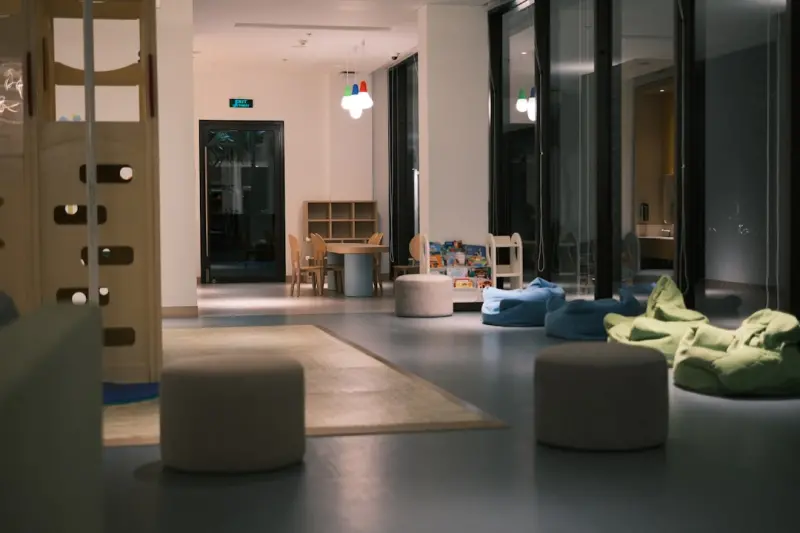
Designing Spaces That Breathe: A Multisensory Approach to Modern Interiors
Discover a fresh interior design philosophy that blends nature, color psychology, smart lighting, an... Read More
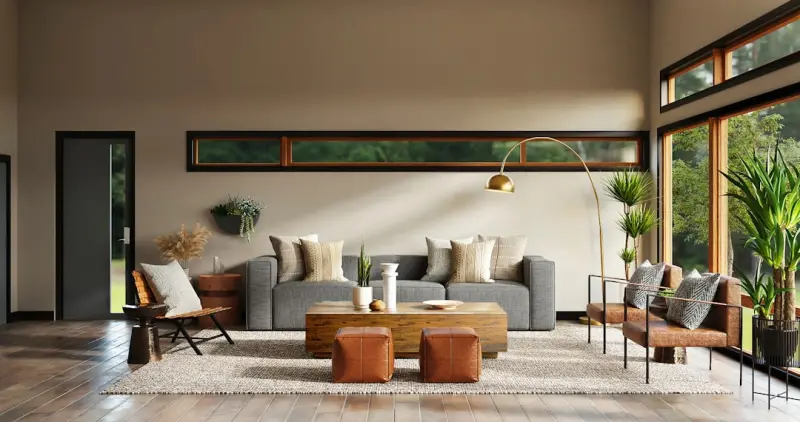
The Quiet Revolution: How Acoustic Design is Shaping Modern Interiors
Acoustic design is the hidden hero of modern interiors. Discover why sound matters, how to choose ma... Read More

Designing Interiors That Nurture Body, Mind, and Soul
Discover fresh interior design strategies that prioritize wellbeing, sustainability, and style—tur... Read More
Top Posts

Smart Carpet Cleaning: Harnessing Technology and Sustainability for Healthier Homes
Explore a fresh approach to carpet cleaning that blends natural solutions, smart sensors, and sustainable fibers for a cleaner, healthier home environment....Read More
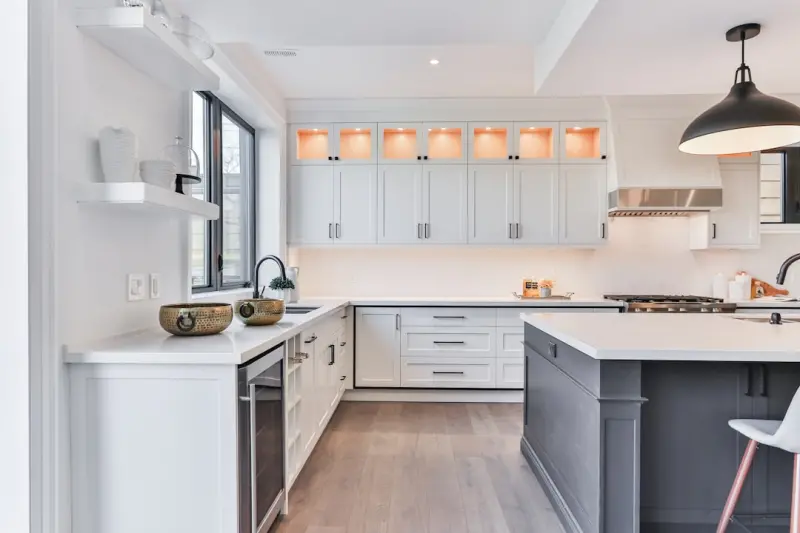
Quiet Kitchen Renovations: How Sound Design Transforms Your Cooking Space
Explore the art of quiet kitchen renovations, blending sound‑absorbing materials, biophilic design, and smart lighting to craft a serene, functional cooking h...Read More

Sustainable Window Treatments: Style Meets Eco‑Efficiency
Explore the art of eco‑friendly window treatments that blend design, smart tech, and sustainability to cut energy costs and elevate your home’s appeal....Read More

AI Meets Glass: Transforming Windows & Doors into Intelligent Building Assets
Discover how AI-powered sensors and analytics turn ordinary windows and doors into dynamic, energy‑efficient, and secure components of a smart building, deliv...Read More
0 Comments
Post Comment
You will need to Login or Register to comment on this post!