

Why Home Restoration Is More Than a Cosmetic Refresh
When a homeowner says they want to “restore” a house, the conversation often spirals into a checklist of paint colors, new flooring, and perhaps a kitchen remodel. While those visible upgrades are satisfying, true restoration digs deeper—into the very fabric of the structure, its historical narrative, and the sustainability of its future. In this piece, I’ll walk you through a mindset shift: viewing restoration as a holistic, data‑informed practice that respects heritage, embraces modern science, and delivers lasting value.
Reading the Layers: What Your Home Is Trying to Tell You
Every home is a palimpsest, a layered manuscript where each renovation, repair, or neglect leaves a trace. The original plaster walls whisper about 19th‑century building techniques; the patched drywall hints at past water intrusions; the vintage copper piping tells a story of early 20th‑century plumbing. Before you pick up a sander or a brush, take a moment to map these layers.
- Structural clues: Uneven floors or bowing walls often signal foundation settlement that predates modern standards.
- Material clues: Original wood trim versus later synthetic replacements can guide you toward authentic restoration paths.
- Environmental clues: Stains, mildew, or a lingering musty odor may indicate hidden moisture pockets that, if ignored, will sabotage even the most beautiful makeover.
By cataloguing these signals, you turn intuition into a systematic plan—one that leverages both craftsmanship and technology.
Marrying Classic Craftsmanship with Cutting‑Edge Materials
There’s a common misconception that “old‑world” restoration must rely exclusively on period‑accurate materials. While authenticity matters, it doesn’t have to mean sacrificing durability or sustainability. Modern materials have advanced dramatically, offering performance that far exceeds the original options, yet they can be finished to blend seamlessly with historic aesthetics.
Consider reclaimed hardwood beams. Traditionally, you’d replace damaged sections with new timber that might not match the grain or patina. Today, you can source salvaged beams from de‑constructed barns, treat them with low‑VOC stabilizers, and reinforce them with hidden carbon‑fiber straps—delivering the look of antiquity with the strength of contemporary engineering.
Another example is the rise of nanocoated paints. These formulations create a breathable, moisture‑resistant skin that protects plaster without trapping vapor—a common cause of mold. When paired with proper ventilation, nanocoatings keep heritage walls dry while preserving their original texture.
Three Game‑Changing Strategies for a Sustainable Revival
Below are three pillars that have transformed my approach to restoring aging homes. Each is grounded in data, respects the building’s narrative, and aligns with modern environmental goals.
- Reclaim and Reuse Salvaged Elements – Before ordering new cabinets or fixtures, audit what already exists. A well‑preserved original fireplace mantle, for instance, can become the focal point of a living room after a gentle cleaning and a protective clear coat. When you must replace components, source reclaimed equivalents. Not only does this reduce landfill waste, it adds a story‑rich layer to the home’s character.
- Deploy Nanocoated Paints and Advanced Sealants – Traditional paint can seal in moisture, leading to hidden rot. Nano‑technology creates a semi‑permeable membrane that repels water while allowing the wall to “breathe.” This is especially vital in older homes where plaster and masonry were designed to manage moisture naturally. A simple test—spray water on a painted surface and watch it bead—can verify proper application.
- Integrate Smart Monitoring for Longevity – Sensors are no longer the exclusive domain of new construction. Portable humidity and temperature probes can be placed discreetly in attics, basements, and crawl spaces to track conditions in real time. The data feeds into a dashboard that alerts you to trends before they become crises—much like a health monitor for your house.
Case Study: Turning a 1920s Bungalow into a Resilient Showcase
When I consulted on a 1920s bungalow, the owners wanted to preserve the original “craftsman” charm while ensuring the home could handle today’s climate challenges. Here’s how we applied the three pillars:
- Inventory the Existing Fabric: We documented all original elements—tongue‑and‑groove pine flooring, stained glass transoms, and a solid oak staircase. The flooring showed wear but was structurally sound.
- Selective Reclamation: Instead of installing new hardwood, we sanded the existing boards, applied a low‑VOC finish, and used reclaimed oak for the new stair balusters, matching the original grain.
- Protective Nano‑Coatings: The living‑room plaster walls received a breathable nano‑sealant, eliminating the need for heavy‑duty moisture barriers that would have trapped humidity.
- Smart Moisture Management: We installed wireless hygrometers in the attic and basement. Over a six‑month trial, the data revealed a seasonal humidity spike that prompted the addition of a modest, energy‑efficient dehumidifier—preventing future mold growth.
The result? A home that feels authentically “1920s” but is fortified against the challenges of the 21st century. The owners reported lower utility bills and a renewed sense of pride in their heritage property.
Bridging Restoration With Routine Maintenance
Restoration is an investment, but its true payoff emerges when you pair it with a proactive maintenance regime. Think of it like a health plan: you can undergo major surgery, but without regular check‑ups, complications will arise. The same logic applies to appliances, HVAC, and even the subtle wear of doors and windows.
One area often overlooked is the integration of modern appliance care into the restoration timeline. When you upgrade a kitchen, it’s an ideal moment to assess the lifespan of existing appliances. Instead of waiting for a breakdown, consider a schedule of proactive appliance repair. Small, preventive fixes can avert costly replacements and keep the home’s energy profile optimized—a win for sustainability and the bottom line.
Preventing the Silent Saboteur: Mold
Even the most meticulous restoration can be undone by hidden mold—an invisible foe that thrives behind walls, under floorboards, and in HVAC ducts. The best defense is a combination of design foresight and eco‑friendly mold removal practices.
Start by ensuring any new insulation is vapor‑permeable, allowing any residual moisture to escape. Follow up with a nanocoated paint system that discourages fungal spores. If you discover an outbreak, choose remediation methods that avoid harsh chemicals—such as ozone‑free biocides and HEPA‑filtered negative pressure containment. This approach protects both the occupants and the historical materials.
Elevating the Bathroom: A Subtle Yet Powerful Upgrade
Bathrooms often get a back‑seat in restoration discussions, yet they can dramatically influence perceived value. A well‑executed bathtub resurfacing not only restores shine but also extends the lifespan of a fixture that might otherwise be replaced entirely. Learn why a simple finish can be a “secret weapon” for modern homeowners in this article. A fresh finish paired with a low‑flow faucet can cut water usage by up to 30% while delivering a spa‑like ambiance.
From Planning to Execution: A Step‑by‑Step Playbook
Below is a concise roadmap you can adapt to any restoration project, regardless of scale.
- Historical Assessment: Hire a preservation specialist or conduct a self‑audit to identify original features and past interventions.
- Material Audit: Catalog every component—structural, decorative, mechanical. Flag those that are salvageable.
- Performance Benchmarking: Use thermal imaging and moisture meters to locate hidden issues. Record baseline data for future comparison.
- Strategic Design: Draft a restoration plan that merges reclaimed elements with modern, sustainable solutions. Include a timeline for each phase.
- Smart Integration: Install sensors for humidity, temperature, and air quality. Connect them to a user‑friendly dashboard.
- Execution: Follow the plan, prioritizing preservation over replacement. Use low‑VOC finishes and nanocoatings where appropriate.
- Post‑Restoration Monitoring: Review sensor data monthly for the first year. Adjust ventilation, dehumidification, or heating as needed.
- Maintenance Schedule: Set reminders for appliance checks, sealant inspections, and periodic deep cleaning—anchored by the same data‑driven mindset.
By treating restoration as a living process rather than a one‑off event, you’ll protect your investment and honor the home’s story for generations.
Looking Ahead: The Future of Restoration
The next wave of home restoration will be defined by three converging trends:
- Digital Twin Modeling: Scanning a house in 3D to create a virtual replica, enabling precise planning and risk assessment before any physical work begins.
- Bio‑Based Materials: Hempcrete, mycelium insulation, and low‑impact lime plasters that not only reduce carbon footprints but also improve indoor air quality.
- Community‑Sourced Knowledge: Online platforms where homeowners share before‑and‑after data, creating a crowdsourced playbook that refines best practices in real time.
Embracing these innovations doesn’t mean abandoning tradition; it means enriching it with tools that make our heritage homes healthier, more resilient, and more valuable.

William Roy is a freelance writer originally from Montreal who moved to Ottawa with his wife of 50 years to be closer to their grandkids. Alongside his writing, William has a passion for fishing.
Related Posts

Restoring the Soul of Your Home: A Hands‑On Guide to Reviving Architectural Details
Discover a practical roadmap for breathing new life into aging crown molding, baseboards, and orname... Read More
Quiet Home Restoration: How to Tame Noise and Boost Comfort
A practical guide to acoustic home restoration, covering noise sources, material choices like massâ€... Read More
Embracing Sustainable Home Restoration: A Path to Energy Efficiency and Environmental Responsibility
Learn how to create a sustainable home restoration project that prioritizes energy efficiency, eco-f... Read More
Top Posts
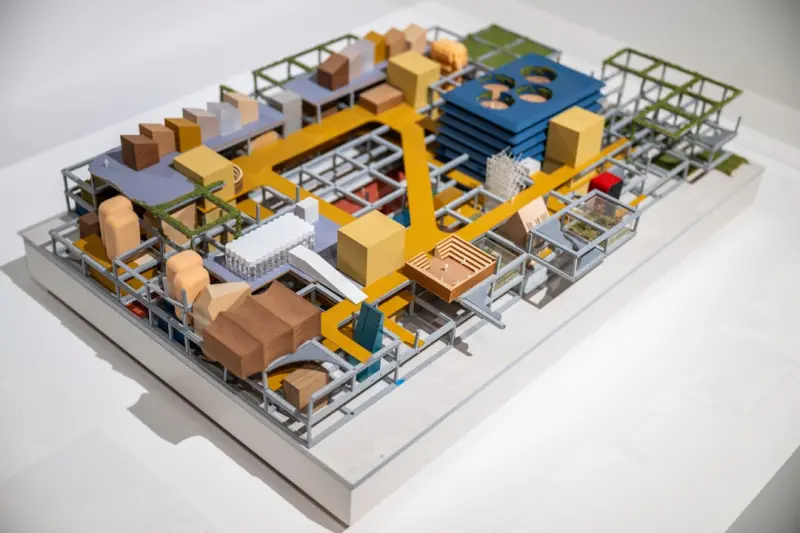
Strategic Adaptive Reuse and Modular Design: A New Playbook for Commercial Renovations
Explore a fresh strategy for commercial renovations that blends adaptive reuse, modular construction, and data analytics to create flexible, sustainable spaces ...Read More
The Evolution of Flooring: How Sustainable Solutions Are Revolutionizing the Industry
The flooring industry is undergoing a significant transformation, with sustainable solutions leading the way. Learn about the evolution of flooring and eco-frie...Read More

Snow Removal 2.0: Data‑Driven Winter Efficiency
A data‑centric approach to snow removal leverages sensors, AI dispatch, and autonomous equipment to reduce costs, improve safety, and ensure uninterrupted acc...Read More

The Hidden Dangers of Dirty Ducts: Why Duct Cleaning Matters
Dirty ducts can lead to reduced indoor air quality, increased energy bills, and costly repairs. Learn why duct cleaning matters and how it can benefit your home...Read More
0 Comments
Post Comment
You will need to Login or Register to comment on this post!