
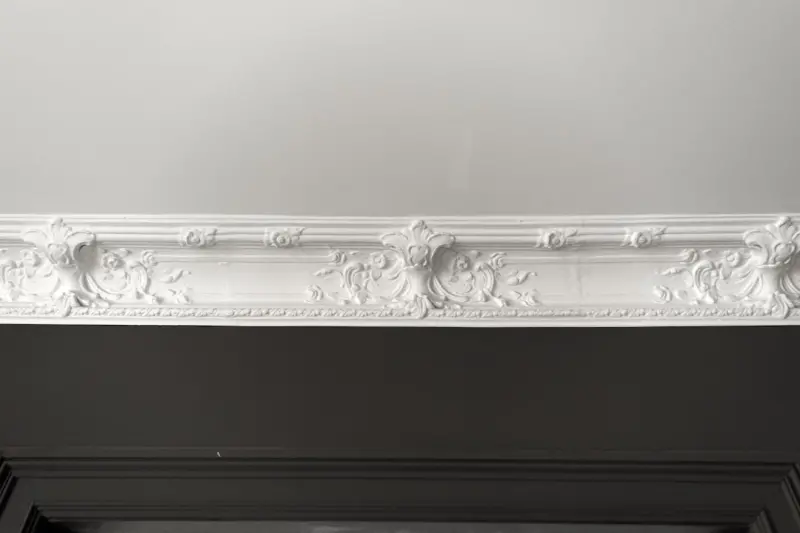
Why Original Crown Molding Deserves a Second Chance
When I first stepped into a Victorian‑era townhouse with peeling plaster and chipped woodwork, my eyes were instantly drawn to the faded, yet unmistakable, crown molding that once traced the ceiling like a quiet crown. Original crown molding is more than a decorative trim; it is a tactile narrative of the home’s era, craftsmanship, and the hands that shaped it decades ago. Restoring these details can instantly elevate a room’s character, increase market appeal, and preserve a piece of cultural heritage that modern mass‑produced trims simply cannot replicate. The challenge, however, lies in honoring the historic integrity while meeting today’s durability expectations, a balance that requires both patience and a strategic plan.
Documenting the Past Before You Dive In
Before any nail is driven or adhesive applied, I spend hours photographing, measuring, and sketching every molding profile, noting the wood species, grain direction, and any unique mouldings that differentiate one room from another. This documentation becomes a reference blueprint, ensuring that each replacement or repair matches the original pattern and scale. I also consult historic building permits, old photographs, and sometimes even neighborhood archives to uncover clues about original finishes—whether the crown was painted a muted ivory, stained a warm walnut, or left natural to showcase the timber’s grain. By creating a detailed inventory, you avoid costly missteps later, such as ordering the wrong size or finishing a piece that contradicts the home’s authentic aesthetic.
Sourcing Authentic or Reclaimed Materials
Once the research phase is complete, the next decision point is whether to commission new millwork that mimics the original or to hunt for reclaimed pieces that already carry the patina of time. Commissioned millwork offers precise control over dimensions and can be finished to your exact specifications, but it often lacks the subtle imperfections that give historic trims their soul. Reclaimed molding, on the other hand, brings genuine aging, nail holes, and the occasional knot that tell a story, yet it may require additional cleaning, sanding, and stabilization before reuse. I typically start with a local salvage yard, where I can hand‑pick pieces that closely match my documentation, then supplement gaps with custom‑cut millwork. This hybrid approach blends authenticity with practicality, ensuring each segment fits seamlessly while staying within budget.
Repair Techniques That Honor Craftsmanship
When dealing with existing crown molding, the goal is to intervene as little as possible while restoring structural integrity. Small cracks can often be sealed with a wood‑compatible epoxy, which penetrates the grain and hardens without visible seams. For larger gaps or missing sections, I employ a technique known as “splines,” inserting thin strips of matching wood into the joint to reinforce it before applying a thin veneer of high‑grade wood filler. Sanding should be done with a fine‑grit orbital sander, moving with the grain to avoid tear‑out, and finished with a low‑VOC polyurethane that protects the wood while allowing the historic color to breathe. Throughout the process, I keep a close eye on moisture levels, as over‑drying can cause the wood to warp, undoing months of careful work.
Balancing Code Compliance and Historic Authenticity
Restoration projects often intersect with modern building codes, especially when fire safety or load‑bearing requirements come into play. While crown molding is primarily decorative, it can become a fire‑hazard if installed too close to electrical fixtures or if the wood is untreated. I always consult with a local code official early on, confirming that any added fasteners, adhesives, or finishes meet flame‑spread standards. In cases where the original design conflicts with current safety mandates, I look for discreet solutions—such as fire‑retardant treatments that penetrate the wood without altering its appearance, or using hidden brackets that distribute weight without visible hardware. This careful negotiation ensures the restored trim remains both beautiful and legally compliant.
Integrating Modern Amenities Without Disrupting Elegance
Today’s homeowners expect smart lighting, hidden speakers, and climate‑controlled vents, all of which can be subtly incorporated into restored crown molding. I love embedding low‑profile LED strips behind the molding’s rear edge, providing ambient illumination that highlights the architectural detail without exposing bulky fixtures. Similarly, thin‑profile speaker grilles can be painted to match the molding’s finish, turning the trim into a covert audio source. When adding vent covers for HVAC efficiency, I choose designs that echo the original profile, ensuring the functional element becomes an extension of the historic aesthetic. These integrations demonstrate that preservation does not mean sacrificing modern comfort; rather, it offers an opportunity to showcase innovation within a timeless framework.
Budgeting and Phased Restoration for Long‑Term Success
Restoring crown molding can quickly become an expensive endeavor if tackled all at once, especially in larger homes with multiple rooms. My preferred strategy is a phased approach, prioritizing high‑visibility areas such as the main living room, dining hall, and master suite, then moving to secondary spaces like bedrooms and hallways. I create a detailed cost breakdown that separates labor, materials, and contingency, allocating roughly 60 % of the budget to the first phase to ensure a polished showcase that can boost property value early on. The remaining funds are reserved for later stages, allowing you to adjust the plan based on unexpected discoveries—like hidden rot or structural issues—that may arise once work begins. This incremental method not only spreads out expenses but also gives you the flexibility to pause and reassess without compromising the overall vision.
Putting It All Together—and What’s Next
Bringing historic crown molding back to life is a rewarding journey that blends research, craftsmanship, and thoughtful design. As you progress, remember that each restored piece adds layers of character, turning a simple room into a narrative of heritage and modern comfort. For homeowners who are also looking to maximize overall property value, consider how a well‑executed restoration can complement other upgrades; for example, a strong visual impact from restored trim often pairs beautifully with a refreshed roof, a factor highlighted in roof value boost strategies. Additionally, integrating energy‑efficient lighting within the molding aligns with the principles discussed in energy inspection savings, creating a home that is both beautiful and sustainable. Embrace the process, celebrate each small victory, and soon your home will stand as a testament to the timeless elegance that only authentic restoration can achieve.

Kelly Reynolds is a dynamic freelance writer hailing from the picturesque landscapes of Alberta. A master of the written word, she juggles her passion for storytelling with the exhilarating chaos of being a mother to five spirited children. With an impressive portfolio that spans various genres, Kelly captivates readers through her engaging blog posts and thought-provoking articles.
Related Posts

From Flood to Future‑Proof: A Data‑Driven Blueprint for Home Restoration
Discover a step‑by‑step, data‑driven approach to post‑flood home restoration that blends mod... Read More
Resurrecting Original Hardwood Floors: A Homeowner’s Guide to Restoration and Value
Original hardwood floors can be the heart of a historic home, offering timeless beauty and lasting v... Read More
Reviving Original Wood Floors: A Homeowner’s Guide to Timeless Restoration
A step‑by‑step guide to restoring original wood floors, blending historic preservation with mode... Read More
Top Posts

Beyond the Sheet: Modern Strategies for Long‑Lasting Waterproofing
Explore innovative waterproofing methods that combine breathable membranes, green sealants, and sensor tech to protect homes while minimizing environmental impa...Read More
Eco‑Smart Wallpaper: Turning Walls Into Sustainable Brand Assets
Explore the rise of eco‑smart wallpaper as a strategic asset that blends sustainability, acoustic performance, and brand storytelling, turning ordinary walls ...Read More

The Hidden Power of Routine Property Maintenance: A Lifestyle Upgrade
Explore a fresh approach to property upkeep that blends mindfulness, smart tech, and community support, turning routine tasks into lasting value and peace of mi...Read More

Smart Glazing & Doors: Unlocking Untapped Value
A deep dive into how modern windows and doors, equipped with sensors and smart controls, can transform building performance, cut energy use, enhance security, a...Read More
0 Comments
Post Comment
You will need to Login or Register to comment on this post!