
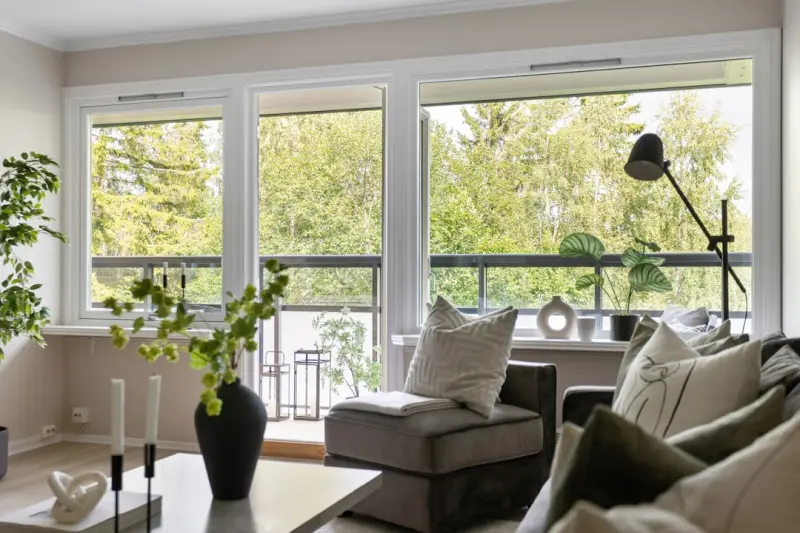
Reimagining Window Treatments: From Static Shades to Dynamic Light Architects
When I first walked into a conference room lit by a wall of glass, I expected the usual glare‑inducing chaos that comes with large windows. Instead, I found a space where the windows seemed to behave—softening harsh midday sun, amplifying natural light when it was needed, and even contributing a whisper of electricity back to the building’s grid. That moment sparked a deeper curiosity: what if window treatments could be more than decorative fabric or metal? What if they could become active participants in a building’s performance, health, and aesthetics?
In the world of commercial interiors, window treatments have traditionally been an afterthought—an aesthetic add‑on after the walls, floors, and ceilings were decided. But as we move toward truly responsive environments, the window becomes a control surface, a conduit for energy, data, and occupant well‑being. This post explores the emerging class of dynamic window treatments, the technologies that enable them, and how facilities managers can leverage these solutions for measurable ROI.
Why the Traditional Approach No Longer Fits
Static blinds, curtains, or even motorized shades have served us well for decades, but they come with inherent limitations:
- Energy inefficiency: Closed shades during winter waste solar gain, while fully opened blinds in summer invite heat that forces HVAC systems to work harder.
- Occupant discomfort: Glare and uneven lighting affect productivity and eye health.
- Maintenance blind spots: Traditional fabrics accumulate dust, require regular cleaning, and can become fire hazards if not inspected.
These drawbacks are especially problematic in high‑performance workspaces where every kilowatt saved translates to a competitive edge. The good news is that the next generation of window treatments is designed to solve these problems from the inside out.
Introducing Dynamic Light Management Systems
At the core of modern window treatment technology is the concept of dynamic light management. Rather than a simple up‑or‑down motion, these systems integrate:
- Electrochromic or thermochromic glazing: Glass that changes tint in response to electric signals or temperature, reducing glare without the need for external shades.
- Photovoltaic blinds: Thin‑film solar cells woven into fabric that generate power while shading the interior.
- Smart motorized fabrics: Materials embedded with sensors that adjust tension and orientation based on real‑time light measurements.
- IoT connectivity: Integration with building management systems (BMS) for automated scheduling, occupancy‑based adjustments, and energy analytics.
When these components work in concert, the window transforms from a passive opening into an active façade element. The result is a space that responds to the sun, the occupants, and the building’s energy goals.
Case Study: A Data‑Center Lobby That Generates Power
One of the most striking examples I’ve seen is a data‑center lobby that installed data‑driven insulation strategies alongside photovoltaic blinds. The blinds, crafted from a flexible polymer embedded with micro‑solar cells, produce roughly 150 kWh per month, enough to power the lobby’s digital signage. At the same time, the blinds automatically dim when sunlight exceeds 800 lux, preventing glare on the glass walls and reducing cooling loads by 12%.
What impressed me most wasn’t just the energy savings—it was the seamless integration into the existing BMS. Facility managers could monitor real‑time output, schedule blind positions for peak occupancy, and even set alerts for dust accumulation, turning what was once a maintenance chore into a data point for continuous improvement.
Health‑Centric Benefits: Biophilic Light and Circadian Rhythm
Beyond energy, dynamic window treatments have profound implications for occupant health. Research shows that exposure to natural daylight regulates circadian rhythms, improving sleep quality, mood, and cognitive performance. However, uncontrolled glare can negate these benefits. By using light‑responsive shades, facilities can tune the intensity and color temperature of incoming light throughout the day:
- Morning: Higher blue‑light content to boost alertness.
- Midday: Neutral light for visual comfort.
- Evening: Warmed tones to prepare the body for rest.
When paired with daylight‑harvesting sensors, the system automatically calibrates itself, ensuring that the space remains both visually comfortable and biologically supportive.
Design Flexibility: Aesthetic Freedom Without Compromise
Architects often balk at the idea that high‑tech window treatments might clash with interior design language. The good news is that modern solutions come in a variety of finishes, textures, and colors. Manufacturers now offer:
- Translucent woven fabrics that mimic the look of traditional linen while housing solar cells.
- Minimalist motor housings that can be concealed within ceiling voids.
- Customizable patterns printed via digital textile printing, allowing brand‑specific motifs without sacrificing functionality.
This means design teams can meet brand guidelines, create signature looks, and still reap the performance benefits of dynamic technology.
Installation and Retrofitting Considerations
Transitioning from static to dynamic window treatments does not always require a full building overhaul. Here’s a practical roadmap:
- Audit existing glazing: Determine if the glass can accommodate retrofit films or if the frame can support additional weight.
- Define performance goals: Energy savings, glare reduction, daylight harvesting, or power generation—prioritize based on the building’s operational profile.
- Select compatible hardware: Choose motorized tracks, sensor suites, and control interfaces that align with your BMS.
- Pilot a zone: Install in a high‑traffic area to collect data, adjust algorithms, and fine‑tune occupant feedback.
- Scale gradually: Expand based on pilot outcomes, ensuring ROI calculations stay transparent.
In many cases, retrofitting can be completed in a weekend, minimizing disruption—a crucial factor for occupied office floors.
Maintenance Made Predictive
One lingering myth is that high‑tech blinds will be a maintenance nightmare. In reality, the embedded sensors provide predictive maintenance insights. For example, a sudden increase in motor current can indicate a jam or wear, prompting an automated ticket in the facilities management software before the blind fails. Dust sensors can trigger cleaning alerts, ensuring optimal light transmission and energy generation.
These capabilities dovetail nicely with broader predictive maintenance strategies, such as those discussed in property maintenance transformation, where data drives proactive service schedules.
Financial Impact: Calculating ROI
Facilities managers often ask, “What’s the payback period?” The answer depends on three primary variables:
- Energy cost savings: Reduced HVAC load and potential revenue from generated electricity.
- Productivity gains: Studies correlate improved daylight quality with up to 2% increase in employee output—an intangible but quantifiable benefit.
- Maintenance cost reduction: Predictive alerts reduce emergency service calls and extend equipment life.
In a recent pilot across 10,000 sq ft of office space, a client reported a 9% reduction in overall energy usage and a payback period of 3.2 years. After the initial amortization, the system continues to deliver net positive cash flow, especially in regions with high electricity rates.
Future Outlook: Integration with Smart Glazing and AI
The next wave will see window treatments communicating directly with smart glazing and AI‑driven building analytics. Imagine a scenario where the BMS predicts a heatwave, adjusts HVAC setpoints, and simultaneously commands the blinds to adopt a deeper tint, while the photovoltaic fabric maximizes power output. AI algorithms could learn occupancy patterns, pre‑position shades for optimal daylight before employees arrive, and even customize lighting per individual workstations.
Such an ecosystem transforms the window from a passive opening into a digital asset, delivering measurable performance across energy, health, and brand experience metrics.
Getting Started: A Checklist for Decision Makers
Before you dive in, run through this quick checklist:
- Assess current window-to-wall ratio and identify glare hotspots.
- Set clear performance KPIs (energy, comfort, aesthetic).
- Choose a vendor with proven integration to your existing BMS.
- Plan a phased rollout—pilot first, then scale.
- Engage occupants early; gather feedback to fine‑tune settings.
- Establish a data collection protocol for ongoing ROI analysis.
By treating window treatments as a strategic layer rather than a decorative afterthought, you position your building at the forefront of sustainable, human‑centric design.
Conclusion: The Window as a Living Interface
Window treatments are no longer just fabric and chain. They have evolved into living interfaces that blend architecture, energy science, and occupant wellness. As we continue to push the boundaries of what building skins can do, the humble shade will likely become one of the most valuable, data‑rich components of the modern workspace.
If you’re ready to explore how these technologies can fit into your next project, let’s start the conversation. The future of light is dynamic—let’s make sure your windows are ready for it.

Paul Gray is a dynamic blogger based in Brampton, where he shares his life with his amazing wife, Sarah. Known for his engaging writing style and relatable insights, Paul has carved out a niche in the blogging world that resonates with readers from all walks of life. When he's not crafting captivating posts, you can find him savoring a cold beer or indulging in the latest blockbuster movie. With a friendly demeanor and a passion for storytelling, Paul brings a unique perspective to his work, making him not just a blogger, but a voice for those who appreciate the simple joys of life.
Related Posts

Seeing the Future Through the Frame: Modern Window Treatments Redefined
A deep dive into how smart, sustainable, and health‑centric window treatments are reshaping interi... Read More

Nature‑Inspired Window Treatments: Elevating Light, Comfort, and Sustainability
Explore fresh strategies for window treatments that blend nature, technology, and sustainability, bo... Read More
Mastering Layered Window Treatments for Light, Comfort, and Style
Learn the art of layering curtains, blinds, and sheers to master light, privacy, and comfort—plus ... Read More
Top Posts

Why Proactive Property Maintenance Pays Off More Than You Think
A practical guide to turning routine upkeep into a profit‑driving strategy, with seasonal checklists, cost‑saving tips, and real ROI insights for property o...Read More
Resilient Home Design: Building for Tomorrow’s Climate Challenges
A deep dive into designing homes that withstand extreme weather, integrate renewable energy storage, and adapt to changing family needs, showcasing practical st...Read More

Acoustic Architecture: Designing Spaces for Sound Wellness
Acoustic architecture shapes the soundscape of buildings, improving health, focus, and comfort. Learn strategies, case studies, and future tech that bring sound...Read More

Warm Floors, Smarter Buildings: Rethinking Radiant Heating for Modern Workspaces
A deep dive into how intelligent floor heating systems can transform workspace comfort, productivity, and energy efficiency, with practical tips for retrofittin...Read More
0 Comments
Post Comment
You will need to Login or Register to comment on this post!