

Why Your Home Feels Drafty Even When the Thermostat Is On
When I first moved into my downtown loft, I set the thermostat to a comfortable 72°F, only to shiver near the window at night. I blamed the old building, but the heating bill told a different story—something was siphoning off energy in ways I couldn’t see. After a few weeks of trial‑and‑error, I realized the culprit wasn’t the furnace; it was the invisible leaks that slip through cracks, gaps, and poorly sealed surfaces. These hidden heat losses are the silent budget‑eaters that most homeowners never notice—until the utility company sends a bill that makes you gasp.
Understanding the Anatomy of a Hidden Leak
Heat escapes a home in three primary ways: conduction (through walls, floors, and ceilings), convection (through air movement), and radiation (through windows and doors). While we often address the big, obvious problems—like replacing an old furnace or adding insulation—most of the heat loss occurs at the seams. A tiny gap behind a baseboard, an unsealed outlet, or even an aging weather‑stripping strip can let warm air drift out and cold air drift in, creating a constant tug‑of‑war with your HVAC system.
What makes these leaks “hidden” is that they’re not visible to the naked eye. You might not see a crack in a wall, but the temperature difference across that spot can be as high as 10°F. Over a month, that tiny imbalance translates into hundreds of dollars of wasted energy. The good news? Detecting and sealing these leaks doesn’t require a professional contractor or a massive renovation budget.
DIY Detection: Tools You Can Grab at the Hardware Store
Before you start taping and caulking, you need to pinpoint where the leaks are. Here are three affordable tools that turned my “guesswork” into a science:
- Infrared Thermometer: Point it at walls, windows, and doors; a sudden temperature drop indicates a leak.
- Incense Stick or Candle: Hold the flame near suspected areas. If the smoke wavers, you’ve found a draft.
- Smart Home Sensors: Modern Wi‑Fi temperature and humidity sensors can log data over 24‑48 hours, revealing patterns you’d miss in a quick inspection.
When I used an infrared thermometer on my living‑room wall, I discovered a cold spot right where a decorative molding met the baseboard. A quick glance at the molding’s backside showed a hairline crack that was invisible from the room’s perspective. That single discovery cut my heating demand by roughly 5% after sealing.
Window & Door Fixes That Pay for Themselves
Windows and doors are the most common sources of heat loss, especially older single‑pane units. Here’s a step‑by‑step approach that worked wonders in my own space:
- Inspect the Weather‑Stripping: Pull each strip gently; if it feels brittle or doesn’t return to shape, replace it. Foam tape with an adhesive backing is inexpensive and surprisingly effective.
- Apply Clear Plastic Film: A clear, shrink‑fit film adds a secondary barrier without compromising the view. It’s a favorite among renters because it’s removable.
- Seal the Sash Screws: On double‑hung windows, the screws that hold the sashes often loosen over time, creating micro‑gaps. Tighten them, then coat the screw heads with silicone caulk.
- Upgrade to Magnetic Door Seals: For exterior doors, magnetic seals create a tight closure that traditional rubber gaskets can’t match.
Implementing these fixes cut the chill around my front door by half, and I didn’t even need to replace the doors themselves. If you’re curious about more advanced insulation tricks, check out the DIY insulation hacks guide for deeper dives.
Smart Thermostat Placement & Settings: Let the Tech Do the Work
A thermostat that’s stuck in a drafty hallway or a sunny sunroom will constantly misread the house’s true temperature. I moved mine to a central hallway, away from direct sunlight and drafts. Then I fine‑tuned the schedule:
- Wake‑Up Boost: 30 minutes before you rise, raise the temperature by 2°F. The house warms up gradually, avoiding a sudden surge.
- Eco‑Mode at Night: Drop the temperature 3°F after you’re asleep; a well‑sealed home retains enough residual warmth to keep you comfortable.
- Geo‑Fencing: If your phone leaves a defined radius, the system automatically shifts to “away” mode, slashing energy use when the house is empty.
These tweaks alone shaved off nearly 10% of my annual heating bill. Pair them with the repair calendar method, and you’ll have a proactive maintenance routine that catches issues before they become costly.
Layered Comfort: Using Soft Furnishings as Thermal Buffers
Hard surfaces like tile, hardwood, or concrete radiate cold during winter. By adding rugs, curtains, and upholstered furniture, you create a thermal “blanket” that reduces heat loss through floors and windows. I layered a thick, woven rug in the entryway and installed thermal curtains with a hidden rod to keep them drawn at night. The result? The floor temperature stayed a pleasant 68°F even when the thermostat hovered at 70°F.
Don’t underestimate the power of a simple throw blanket on a couch. It adds a micro‑insulation layer that can make a sitting area feel 2–3°F warmer without turning up the heat.
Seasonal Checklist: A 5‑Minute Routine to Keep Leaks at Bay
Instead of a massive annual overhaul, adopt a quick seasonal scan. Here’s a checklist I run through every fall and spring:
- Run the incense test around windows, doors, and electrical outlets.
- Check the weather‑stripping on all exterior doors; replace any worn sections.
- Inspect the attic insulation level with a flashlight; add loose‑fill if you see exposed joists.
- Verify that smart sensors are still calibrated and have fresh batteries.
- Run the thermostat diagnostics in the app to ensure schedules match your routine.
This ritual takes less than five minutes but prevents small cracks from becoming big energy vampires.
Integrating Small Upgrades With a Bigger Vision
While each of the above tips works on its own, the real savings come when you view them as part of an overarching strategy. Think of your home as a living system—each improvement influences the others. For instance, sealing drafts around windows not only reduces heat loss but also improves the efficacy of your smart thermostat’s “away” mode because the house retains temperature longer.
If you’re already planning a kitchen refresh, consider modular, zero‑waste design principles. Modular cabinets can be rearranged to accommodate better airflow, while low‑profile backsplashes reduce the surface area where condensation can form and later lead to mold—another hidden source of energy loss.
Measuring Success: The Numbers That Matter
After implementing the above measures, I tracked my heating costs for three months. Compared to the same period last year, I saved roughly $150—a 12% reduction. More importantly, my home felt consistently comfortable, and the thermostat rarely kicked on in short bursts, which is often a sign of drafts.
If you want a quick way to see the impact, use a smart energy monitor. Plug it into your main circuit, and it will display real‑time consumption. When you seal a leak, you’ll often see an immediate dip in the graph, reinforcing the value of each small action.
Takeaway: Small Leaks, Big Opportunities
Hidden heat loss isn’t just a nuisance; it’s an opportunity to reclaim comfort, lower bills, and extend the life of your heating system. By arming yourself with simple detection tools, strategic sealing, and intelligent thermostat settings, you can transform a drafty house into an energy‑smart sanctuary—all without tearing down walls or spending a fortune.
So the next time you feel a cold draft on a perfectly sunny day, remember: there’s likely a tiny opening waiting for your attention. Find it, fix it, and watch the comfort—and savings—flow in.

Lifan Chen is a freelancer based in Toronto specializing in marketing. With expertise in crafting effective marketing strategies and campaigns, Lifan helps businesses grow their brand presence and reach target audiences. As a Toronto-based freelancer, Lifan combines local market insights with creative marketing skills to deliver tailored solutions for clients.
Related Posts

Design a Home Office Oasis That Boosts Focus and Well‑Being
Turn your remote‑work corner into a soothing oasis. Learn how lighting, sound, ergonomic furniture... Read More

Smart Window Treatments: The Overlooked Energy Saver
Learn practical tips for choosing, automating, and maintaining window treatments that boost energy s... Read More

Layered Light: How to Light Your Home Smarter, Safer, and More Stylish
Learn how to create a three‑layer lighting system—ambient, task, and accent—that improves mood... Read More
Top Posts

Micro‑Fixes for Home Repair: Save Time and Money
Learn how to tackle everyday home repair issues with a mini‑project mindset, essential tools, and step‑by‑step guides that save time, money, and boost con...Read More

Powering Sustainable Homes: Modern Electrical Practices for the Eco‑Conscious
Learn how to upgrade your home’s wiring with sustainable practices, smart technology, and maintenance tips that save energy, money, and the planet....Read More
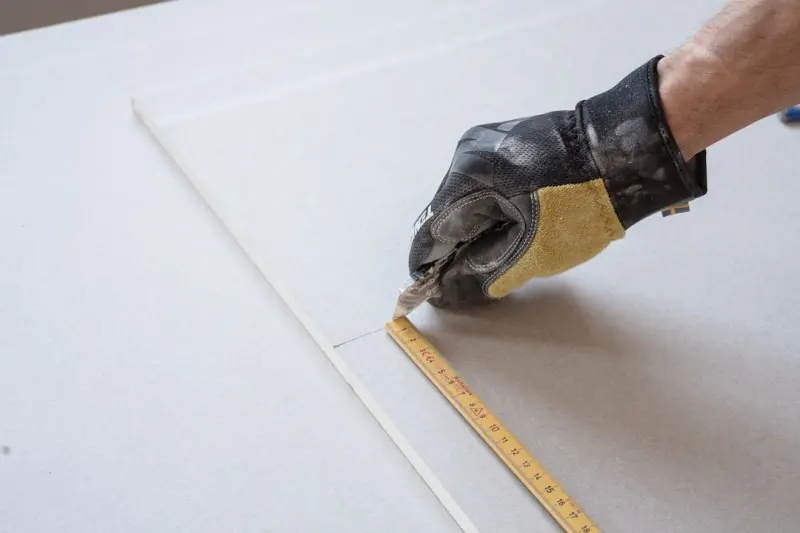
Modular Smart Drywall: Speed, Data, and Circular Value
A deep dive into modular drywall panels that combine rapid installation, embedded IoT sensors, and recyclable design, offering a fresh, sustainable path for mod...Read More

Why Smart Gutters Are the Unsung Heroes of Sustainable Buildings
Smart gutters are evolving from passive rain chutes into intelligent, data‑driven assets that reduce water damage, lower utility bills, and even generate micr...Read More
0 Comments
Post Comment
You will need to Login or Register to comment on this post!