
Why Home Composting Is the Unexpected Game‑Changer for Your Garden
When I first moved into my suburban bungalow, the garden was a tidy rectangle of grass, a few flower beds, and a modest vegetable patch that barely survived the summer heat. I was determined to turn that patch into a thriving oasis, but the soil was stubborn, the weeds relentless, and my budget tight. The breakthrough came not from a pricey soil amendment or a fancy irrigation system, but from a humble, carbon‑rich pile in my garage corner: a home compost bin.
Composting has long been a backyard staple for the eco‑conscious, yet it’s rapidly evolving into a strategic, data‑informed practice that can boost plant health, lower waste fees, and even reduce your home’s carbon footprint. Below, I’ll walk you through the why, the what, and the how of modern home composting, peppered with practical tips you can start using today.
1. The Science Behind Compost: Turning Waste Into Gold
At its core, composting is a natural process of decomposition where microbes, fungi, and small invertebrates break down organic matter into a dark, crumbly substance known as humus. This humus is packed with nutrients—nitrogen, phosphorus, potassium—and beneficial microorganisms that improve soil structure, water retention, and disease resistance.
What most homeowners overlook is the balance of “greens” (nitrogen‑rich materials like kitchen scraps) and “browns” (carbon‑rich materials such as dried leaves or shredded paper). The ideal ratio hovers around 30:1 carbon to nitrogen. Striking this balance accelerates decomposition, curbs odors, and prevents pests.
2. Why Modern Composting Deserves a Spot in Every Home Garden
- Cost Savings: By diverting food waste from the landfill, you cut trash fees and save on expensive chemical fertilizers.
- Environmental Impact: Composting reduces methane emissions from landfills—an estimated 20% of global greenhouse gases.
- Soil Health: Adding compost improves aeration, drainage, and nutrient availability, leading to healthier plants and higher yields.
- Community Value: Many municipalities offer compost pick‑up incentives; a well‑managed bin can even qualify you for local “zero‑waste” certifications.
3. Choosing the Right Composting System for Your Space
There’s no one‑size‑fits‑all solution. Your choice depends on available space, aesthetic preferences, and how hands‑on you want to be.
3.1 Classic Outdoor Bins
The traditional turned‑out‑to‑be‑a‑hit approach for many gardeners. A sturdy, ventilated bin placed in a shaded corner works well for larger yards. Look for models with a removable tray for easy harvesting.
3.2 Tumbler Composters
If you’re after speed, a tumbler can cut the decomposition time in half. By rotating the drum, you introduce oxygen, which fuels aerobic microbes. They’re perfect for urban backyards where space is limited and aesthetics matter.
3.3 Indoor Worm Bins (Vermicomposting)
Living in an apartment? Red wiggler worms can transform kitchen scraps into nutrient‑rich castings right on your balcony or under the sink. They thrive in cooler, moisture‑controlled environments and produce a compost that’s especially gentle for seedlings.
3.4 Hybrid Systems
Combine a small outdoor bin for bulk materials with a worm bin for kitchen waste. The worm bin pre‑processes scraps into a slurry that can be added to the larger pile, accelerating the overall process.
4. Setting Up Your Compost: A Step‑by‑Step Guide
- Select a Location: Choose a spot with partial shade, good airflow, and easy access. A concrete pad or a raised platform prevents moisture buildup.
- Prepare the Base: Lay down a few inches of coarse material (twigs, straw) to promote drainage and airflow.
- Start the Pile: Add a handful of browns, then a layer of greens. Sprinkle a thin layer of soil to introduce microbes.
- Maintain Moisture: The pile should feel like a wrung‑out sponge. Add water during dry spells and more browns if it’s too wet.
- Turn Regularly: Every week, use a pitchfork or the tumbler mechanism to mix the layers, ensuring oxygen reaches the interior.
- Harvest: After 2–6 months, the compost will turn dark, crumbly, and earth‑smelling. Sift out any large fragments and spread it in your garden beds or potted plants.
5. Composting Hacks for the Busy Homeowner
- Freeze Your Scraps: Keep a freezer bag for kitchen waste. When full, dump the frozen scraps into the bin—this reduces odors and slows decomposition until you’re ready to add them.
- Use Coffee Grounds: They’re a nitrogen powerhouse and add valuable micronutrients. Mix them with leaves to maintain balance.
- Shred Larger Items: A garden shredder or even a lawn mower can break down branches and cardboard, speeding up the process.
- Monitor Temperature: Ideal compost temperatures range from 130°F to 150°F. A simple compost thermometer can help you gauge activity; if it’s too low, add more greens or turn the pile.
- Incorporate Biochar: Adding a handful of biochar (charcoal made from organic material) can lock in nutrients and improve soil pH.
6. Integrating Compost with Other Garden Strategies
Compost doesn’t exist in isolation; it can amplify other sustainable practices.
6.1 Companion Planting
Apply compost around nitrogen‑fixing legumes like peas and beans. The added organic matter supports the symbiotic bacteria that convert atmospheric nitrogen into plant‑available forms.
6.2 Rain Gardens
Incorporate compost into rain garden beds to increase water retention and filter runoff. This reduces erosion and improves groundwater recharge.
6.3 Mulching
Spread a thin layer of finished compost as a mulch over flower beds. It suppresses weeds, retains moisture, and slowly releases nutrients.
6.4 Indoor Plant Care
Mix a small amount of compost into potting soil for indoor herbs and foliage plants. The microbial life helps combat root rot and encourages robust growth.
7. Common Pitfalls and How to Avoid Them
Even seasoned gardeners stumble. Here’s a quick troubleshooting cheat sheet:
- Odor Issues: Usually a sign of excess greens or insufficient airflow. Add more browns and turn the pile.
- Pests: Fruit flies love rotting fruit. Keep meat, dairy, and oily foods out of the bin.
- Slow Decomposition: Check moisture and temperature. A cold, dry pile will crawl.
- Weed Seeds: Include a layer of newspaper or cardboard to smother seeds before they germinate.
8. Tracking Your Compost’s Impact (Yes, Data Matters)
While composting feels rustic, you can bring a dash of technology to monitor progress. Simple tools like a soil moisture sensor or a temperature logger can feed data to your phone, letting you know when to turn, water, or harvest. This approach mirrors the principles behind Predictive HVAC—using real‑time data to fine‑tune a system for optimal performance.
9. The Bigger Picture: Composting as a Community Initiative
Many neighborhoods are forming compost co‑ops where residents contribute to a shared bin, then split the finished product among participating gardens. This not only spreads the labor but also fosters a sense of collective stewardship. If your municipality offers a composting incentive program, take advantage of it—some cities even provide free compost bins or tax credits.
10. The Future of Home Composting
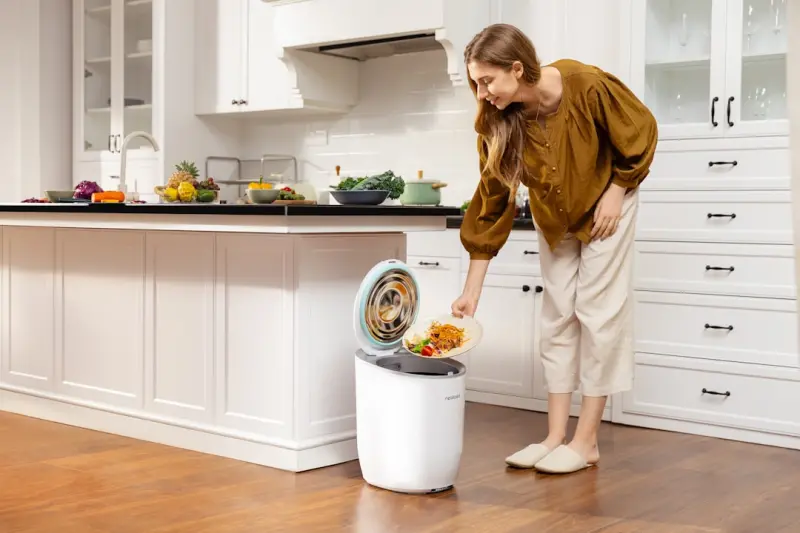
Emerging trends point toward smarter, more compact systems. Imagine a countertop unit that uses ultrasonic technology to accelerate breakdown, or a compost sensor network that integrates with home automation platforms to alert you when the pile is ready. While these innovations are on the horizon, the core principles remain the same: balance, aeration, and patience.
By adopting a home composting routine today, you’re not just reducing waste—you’re enriching the soil that will feed your garden tomorrow. It’s a modest habit with massive ripple effects, turning everyday scraps into the foundation for a greener, more resilient home garden.

Kelly Reynolds is a dynamic freelance writer hailing from the picturesque landscapes of Alberta. A master of the written word, she juggles her passion for storytelling with the exhilarating chaos of being a mother to five spirited children. With an impressive portfolio that spans various genres, Kelly captivates readers through her engaging blog posts and thought-provoking articles.
Related Posts

Pocket Gardens: Turning Forgotten Corners into Lush Urban Oases
Discover the art of pocket gardens—small, affordable green spaces that turn under‑used nooks int... Read More

The Future‑Ready Garden: Blending Nature and Smart Tech for Everyday Bliss
A tech‑enhanced garden goes beyond gadgets, offering intelligent watering, responsive solar lighti... Read More

Cultivating a Year‑Round Pollinator Paradise in Urban Gardens
Discover step‑by‑step strategies to create a year‑round pollinator garden in tight urban space... Read More
Top Posts

Bathroom Renovations: Where Function Meets Fashion
Bathroom renovations can be a complex and challenging process, but with the right approach, you can create a space that's both beautiful and functional. Learn h...Read More

Weather‑Smart Home Envelopes: Proven Strategies for Year‑Round Protection
A comprehensive guide to weather‑proofing your home, covering air tightness, water management, thermal continuity, and moisture control, with actionable steps...Read More
Weatherproof Your Home Like a Pro: Practical Hacks for Every Season
Learn a layered, data‑driven approach to home weatherproofing, from grading and drainage to smart sensors and seasonal maintenance, ensuring comfort and lower...Read More

Smart Carpet Cleaning: Turning Routine Maintenance into a Business Advantage
Smart carpet cleaning transforms a routine task into a strategic asset. By using IoT sensors, AI analytics, and integrated building systems, businesses can impr...Read More
0 Comments
Post Comment
You will need to Login or Register to comment on this post!