

Why Tree Care Needs a Digital Upgrade
When I first started climbing ladders to prune oaks in the old neighborhood park, the only data I had were the scars on the bark and the occasional whisper from a seasoned forester. Fast‑forward a few decades and the same trees are now part of an interconnected ecosystem of sensors, drones, and analytics platforms. The shift from “gut‑feeling” to data‑driven decisions isn’t just a buzzword—it’s the lifeline that will keep our urban canopies thriving in an era of climate volatility.
The Hidden Costs of Ignoring Tree Health
Most property owners think of trees as a static amenity: shade in summer, a pretty backdrop in winter. But a stressed tree can become a liability. Root failure can undermine foundations, dead limbs can damage roofs, and a sudden loss of canopy can increase cooling loads by up to 30%. The financial ripple effect of a single tree failure often dwarfs the modest annual budget allocated for routine maintenance.
Enter the IoT: Sensors That Speak Tree‑Talk
Imagine a small, weather‑proof node nestled in the trunk, silently measuring moisture, sap flow, and even micro‑vibrations caused by pests. These Tree Health Sensors transmit data in real time to a cloud dashboard, flagging anomalies before they become visible to the naked eye. The magic lies in three core metrics:
- Water Potential – Tracks how much water the tree can draw from the soil, warning you of drought stress.
- Chlorophyll Fluorescence – Indicates photosynthetic efficiency, a direct proxy for overall vigor.
- Acoustic Emissions – Tiny clicks that betray beetle activity, a technology borrowed from acoustic monitoring used in building maintenance.
When any of these thresholds breach preset limits, an automated alert pops up on your phone or property‑management portal, prompting an early‑season inspection rather than a costly emergency call.
Drones: The Eye in the Sky for Tree Inspectors
Ground crews are limited by line‑of‑sight and safety constraints. Drones equipped with multispectral cameras can fly over a canopy in minutes, delivering high‑resolution NDVI (Normalized Difference Vegetation Index) maps that highlight stressed foliage. These aerial surveys complement ground sensors, creating a 3‑dimensional health model of every tree on a property.
One of my recent projects involved a mixed‑use development where a fleet of quad‑copter drones performed quarterly fly‑overs. The data uncovered a subtle yellowing pattern on the western side of a row of maples—a sign of uneven irrigation. By adjusting the drip system, we prevented a potential die‑back that would have cost the owners thousands in re‑planting.
Integrating Tree Care into Smart Buildings
Modern buildings are becoming ecosystems rather than isolated shells. The same data infrastructure that monitors HVAC performance can also ingest tree health data, creating a holistic view of the built environment. For instance, when a building’s cooling demand spikes, the system can cross‑reference nearby tree moisture levels. If trees are under‑watered, the algorithm may suggest a temporary increase in irrigation to restore the natural cooling effect, reducing reliance on mechanical air‑conditioning.
This synergy mirrors the approach taken in Living Walls, where plant performance is tied directly to building performance metrics. By treating trees as living HVAC components, we unlock new pathways for energy savings and occupant comfort.
Root Zone Management: The Unsung Hero
While crowns get most of the attention, a tree’s roots are the engine room. Poorly designed hardscapes can compact soil, limiting oxygen exchange and water infiltration. The solution? Root‑Zone Permeable Pavement and strategic Rain Garden placement that channel water where roots need it most.
In a recent retrofit of a historic downtown plaza, we paired permeable pavers with underground sensors that measured soil compaction. When compaction exceeded safe levels, a targeted aeration schedule was triggered, preserving the root health of mature elms that had stood for over a century.
Carbon Sequestration: Turning Trees Into Climate Assets
Beyond aesthetic and structural benefits, trees are powerful carbon sinks. Quantifying that sequestration is now possible thanks to standardized calculators that ingest species‑specific growth rates, diameter measurements, and local climate data. Property managers can now earn carbon credits for maintaining healthy canopies, turning tree care into a revenue stream.
One forward‑thinking office park integrated this model into its sustainability reporting. By documenting the annual carbon uptake of its 200‑plus trees, the park qualified for a regional green‑building incentive, offsetting a portion of its operating expenses.
Predictive Analytics: The Future of Preventive Pruning
Traditional pruning schedules are often based on calendar dates or visual inspection alone. Predictive models, however, can forecast growth spurts and structural weaknesses months in advance. By feeding historical growth data, sensor inputs, and weather forecasts into a machine‑learning algorithm, the system suggests optimal pruning windows that maximize structural integrity while minimizing stress.
The result? Less invasive cuts, reduced labor hours, and trees that retain more foliage—translating directly into better shade performance and lower energy costs.
Case Study: From Reactive to Proactive Tree Management
Let’s walk through a real‑world example that ties all these elements together.
- Site: A 15‑acre mixed‑use campus with 120 trees ranging from ornamental crabapples to mature oaks.
- Challenge: Frequent storm damage and an escalating budget for emergency tree services.
- Solution:
- Installed Tree Health Sensors on 80 high‑value trees.
- Implemented quarterly drone surveys using multispectral imaging.
- Integrated sensor data into the campus’s existing BMS (Building Management System).
- Adopted a predictive pruning algorithm that scheduled cuts during low‑stress periods.
- Created a carbon credit account to monetize sequestration data.
- Outcome: Over a three‑year period, storm‑related tree failures dropped by 68%, the campus saved an estimated $45,000 in emergency labor, and earned $12,000 in carbon credits.
This transformation illustrates the tangible ROI of marrying technology with arboriculture.
Getting Started: A Pragmatic Roadmap
If you’re convinced that it’s time to upgrade your tree care regimen, follow this step‑by‑step plan:
- Audit Your Canopy. Conduct a baseline inventory using a handheld GPS and a simple tree‑mapping app.
- Identify High‑Value Assets. Prioritize trees that provide the most shade, aesthetic value, or carbon sequestration.
- Deploy Sensors. Start with a pilot batch of 10–15 sensors on representative species.
- Integrate Data Streams. Connect sensor outputs to your existing property‑management platform or a dedicated dashboard.
- Schedule Drone Fly‑Overs. Partner with a local UAV provider for seasonal surveys.
- Leverage Analytics. Use off‑the‑shelf predictive tools or engage a data scientist to develop custom models.
- Iterate and Scale. Refine thresholds, expand sensor coverage, and embed tree metrics into broader sustainability reporting.
Bridging the Gap Between Tradition and Tech
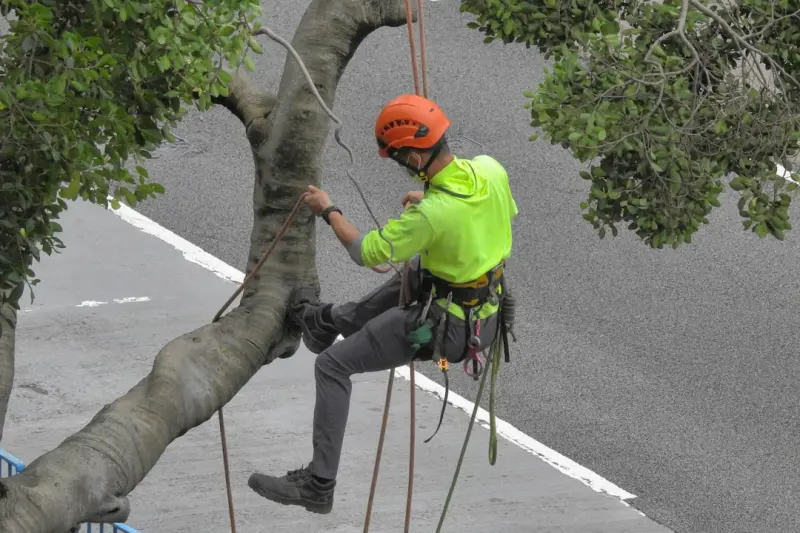
Some seasoned arborists might balk at the idea of “digital trees,” fearing that technology will replace the art of hands‑on care. In reality, the tools we’re discussing are extensions of that craftsmanship. Sensors alert you to hidden stressors; drones give you a bird’s‑eye view that would otherwise require a helicopter; analytics provide the confidence to make precise cuts. The human touch—climbing, assessing, and pruning—remains the decisive factor. Technology simply equips you with better information.
Future Trends to Watch
Looking ahead, a few emerging technologies promise to deepen the integration of tree care into the smart‑city fabric:
- Edge‑AI Nodes. Tiny processors embedded in sensors that run machine‑learning models locally, reducing latency.
- Bio‑Robotics. Soft‑grip robotic arms capable of performing lightweight pruning under human supervision.
- Augmented Reality (AR) Guides. Wearable AR glasses that overlay health data onto the tree you’re examining, turning every inspection into an interactive dashboard.
While some of these are still in experimental phases, early adopters will gain a competitive edge in sustainability certifications and insurance premiums.
Conclusion: Trees as Data‑Rich Assets
Tree care is no longer a side‑note to property management; it’s a data‑rich, revenue‑generating pillar of sustainable design. By embracing sensors, drones, and predictive analytics, you can shift from a reactive “fix‑it‑when‑it‑breaks” mindset to a proactive stewardship model that saves money, boosts occupant comfort, and contributes to climate goals. The future forest of our cities will be smarter, healthier, and more resilient—provided we give it the tools it needs to thrive.

Tom Ferguson is a Canadian freelance writer with a passion for storytelling, current events, and thoughtful commentary. Drawing on years of writing experience, he shares engaging insights on a wide range of topics, bringing a uniquely Canadian perspective to his work.
Related Posts

Smart Tree Care: Turning Canopies into Data‑Driven Assets
Learn how integrating smart sensors, predictive analytics, and maintenance dashboards turns tree car... Read More
Seasonal Tree Care: Turning Canopies into Strategic Assets
A detailed, seasonal checklist shows property managers how to transform tree maintenance from a reac... Read More

The Importance of Sustainable Tree Care Practices
Sustainable tree care practices are essential for maintaining the health of our planet. Learn how to... Read More
Top Posts

Parametric Design: AI‑Driven Architecture for a Sustainable Future
Parametric design merges algorithms with architectural creativity, delivering responsive, low‑carbon buildings. Discover its workflow, real‑world case studi...Read More

Sustainable Tiling Strategies: From Selection to Long‑Lasting Installation
Explore sustainable tiling—from material choices and substrate prep to installation hacks—offering a durable, eco‑friendly floor that enhances any home....Read More

The Art of Woodworking: A Comprehensive Guide to Creating Beautiful Pieces
Woodworking is a timeless craft that involves creating beautiful and functional pieces of furniture, decorations, and other items from wood. Learn the basics, t...Read More

The Quiet Power of a Well‑Curated Entryway: Home Tips for First Impressions
A step‑by‑step guide shows how to turn a neglected entryway into a welcoming, organized hub using smart storage, layered lighting, adaptable design, and sea...Read More
0 Comments
Post Comment
You will need to Login or Register to comment on this post!