
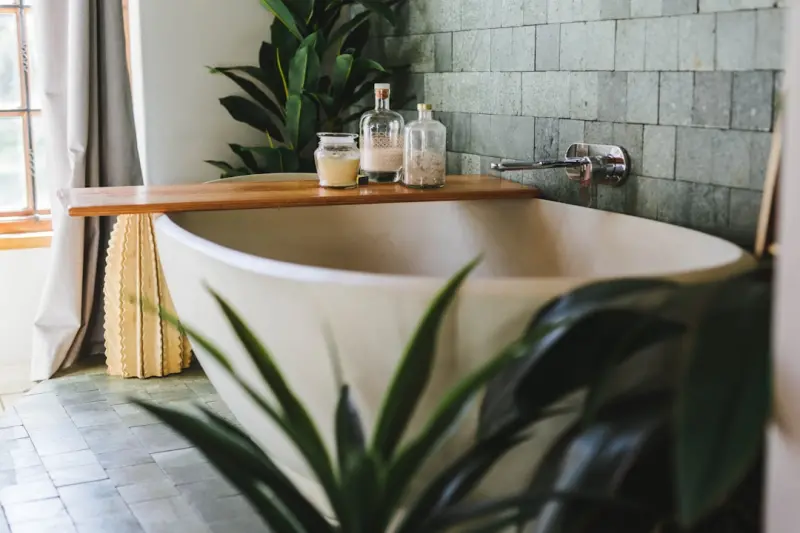
Why Aging‑In‑Place Bathrooms Are the Next Big Renovation Trend
When I first walked into a client’s cramped, tile‑filled bathroom, I felt the same knot of concern that many homeowners experience—what will happen when mobility declines but the home remains the family’s anchor? The answer lies in designing for longevity rather than short‑term style, a mindset that turns a simple remodel into a proactive health investment. By treating the bathroom as the first line of defense against falls, water damage, and daily frustration, we create a space that ages gracefully alongside its occupants.
Understanding the Core Principles of Accessible Design
Accessible design is built on three pillars: slip‑resistant flooring, reach‑range adjustments, and ergonomic fixtures, each of which can be woven into a sleek aesthetic without screaming “handicap bathroom.” For example, a subtle, textured porcelain floor offers grip while maintaining a spa‑like sheen, and a wall‑hung vanity positioned at 34‑36 inches from the floor respects universal reach standards. The key is to blend function with form so the room feels inviting rather than clinical.
Slip‑Resistant Flooring Without Sacrificing Style
Choosing the right floor is more than a safety checklist; it’s an opportunity to set the tone for the entire bathroom. I recommend large‑format, matte‑finish porcelain tiles that mimic natural stone—these provide the needed traction and are easy to clean, reducing the risk of mold buildup in high‑moisture zones. Pair the tiles with a low‑profile, heated underlayment and you get a warm, dry surface that encourages barefoot comfort while keeping the floor safely non‑slippery.
Strategic Placement of Fixtures for Easy Reach
Adjusting fixture heights can feel daunting, but a few strategic moves make a world of difference for users of all abilities. Install a wall‑mounted faucet that sits at 38 inches, ensuring that both seated and standing users can operate it without strain, and consider a curbless shower entry that eliminates the need to step over a lip—a common trip hazard. Adding a recessed grab bar that doubles as a design element—finished in brushed nickel to match other hardware—provides support without visual clutter.
Smart Storage Solutions That Keep Clutter at Bay
Clutter is the silent assassin of bathroom safety, turning even the most well‑planned layout into a minefield of obstacles. To combat this, I turn to Smart Storage Ideas that incorporate pull‑out shelves, hidden medicine cabinets, and vertical organizers that make use of every inch of wall space. By storing toiletries and cleaning supplies out of sight, you not only free up floor area for safe movement but also create a calmer, more therapeutic environment.
Waterproofing Foundations for Long‑Term Health
Even the most beautiful bathroom will falter if its waterproofing is an afterthought, especially when a curbless shower encourages more water exposure to the surrounding structure. I rely on the principles outlined in Waterproofing Basics—a robust membrane, sealed joints, and a sloped subfloor—to protect both the bathroom and the home’s structural integrity. When executed correctly, the system acts like an invisible shield, preventing mold, rot, and costly repairs for years to come.
Lighting That Enhances Safety and Mood
Lighting in an aging‑in‑place bathroom must serve two masters: safety and ambiance. Layered illumination—ambient ceiling lights, task lighting beside the vanity, and accent LEDs along the shower niche—eliminates shadows that can hide hazards while also creating a relaxing atmosphere. Motion‑sensor switches are a discreet addition that ensure lights turn on automatically, reducing the risk of fumbling for switches in the dark.
Integrating Technology for a Future‑Proof Bathroom
Modern technology can turn an ordinary bathroom into a supportive assistant, offering voice‑controlled faucets, temperature‑regulated tubs, and smart mirrors that display humidity levels to prevent fogging. These upgrades not only add a touch of luxury but also empower residents to manage their environment with minimal physical effort, a crucial advantage as dexterity declines. The best part is that many of these systems can be retrofitted into existing plumbing and electrical layouts, making the upgrade both affordable and scalable.
Budget‑Friendly Priorities for a High‑Impact Renovation
Renovating with aging‑in‑place in mind doesn’t require a fortune; it’s about allocating funds to the changes that deliver the greatest safety returns. Start with slip‑resistant flooring and proper waterproofing—these are non‑negotiable foundations. Next, upgrade fixtures to ergonomic heights and add grab bars where they blend with the design. Finally, layer in smart storage and lighting upgrades as the budget allows, ensuring each step builds upon the last for a cohesive, future‑proof bathroom.

David MacKinnon is a dynamic freelance writer known for his captivating storytelling and keen insights into the world of technology. With a passion for exploring the intersection of innovation and everyday life, he crafts engaging narratives that not only inform but also inspire his readers.
Related Posts
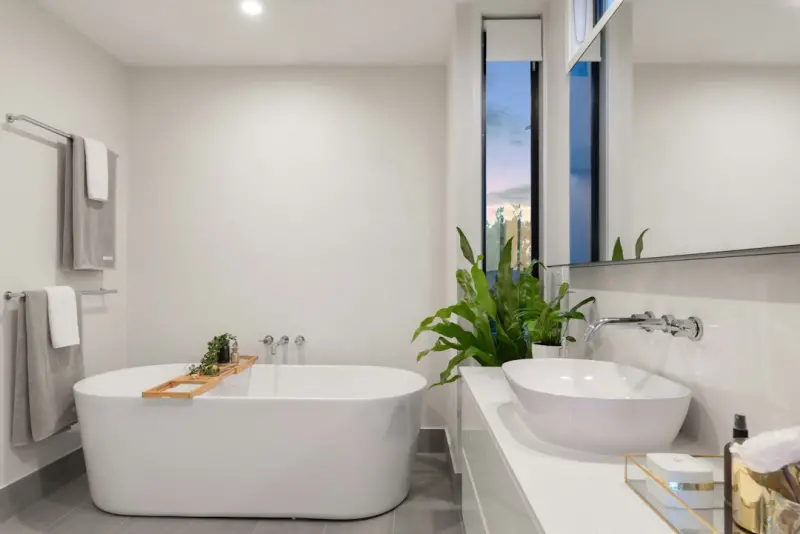
Transforming Bathrooms into Personal Wellness Sanctuaries
Explore a fresh, wellness‑centric approach to bathroom remodels, integrating smart water-saving fi... Read More
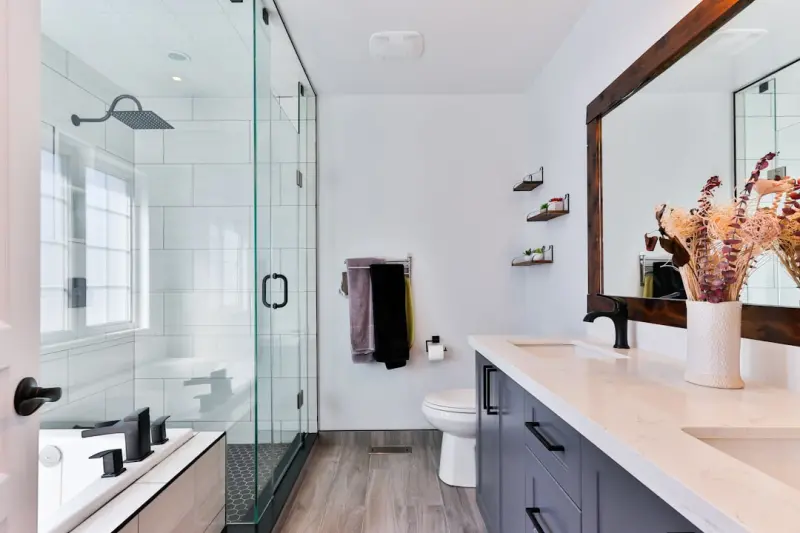
The Bathroom Renaissance: Turning Everyday Spaces into Wellness Sanctuaries
A bathroom can be more than a functional room; it can become a wellness sanctuary. This guide walks ... Read More
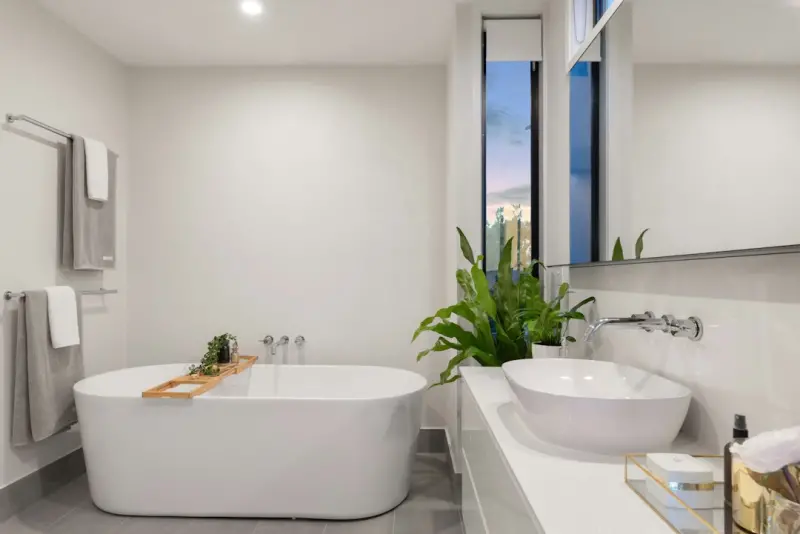
Why a Bathroom Should Feel Like a Personal Spa, Not Just a Functional Room
Why a Bathroom Should Feel Like a Personal Spa, Not Just a Functional Room When I first stepped into... Read More
Top Posts

Handyman Hacks for Sustainable Home Fixes
A veteran handyman shares sustainable repair strategies, from water‑saving fixtures to green cleaning, helping homeowners cut costs and protect the planet....Read More
Smart Carpet Cleaning: Harnessing Technology and Sustainability for Healthier Homes
Explore a fresh approach to carpet cleaning that blends natural solutions, smart sensors, and sustainable fibers for a cleaner, healthier home environment....Read More

From Dark to Dynamic: Reimagining Your Basement as a Multi‑Purpose Sanctuary
Learn how to turn a neglected basement into a versatile wellness and productivity hub using purpose‑driven design, intelligent insulation, layered lighting, a...Read More
Sustainable Carpet Cleaning: Turning Floors into a Competitive Advantage
A sustainable carpet cleaning strategy can lower expenses, cut emissions, and enhance employee health, turning an everyday task into a strategic business advant...Read More
0 Comments
Post Comment
You will need to Login or Register to comment on this post!