

When I first picked up a flashlight and a clipboard, I thought a home inspection was a straightforward checklist: roof, foundation, electrical, plumbing. Over the years, I’ve learned that a truly valuable inspection is less about ticking boxes and more about translating a home’s hidden story into a conversation you and your client can actually use.
Why Traditional Checklists Aren’t Enough
Most inspection reports look like the aftermath of a lab experiment—dense tables, jargon, and a laundry list of “needs attention” items. While thoroughness is essential, the how of delivering that information often determines whether the homeowner feels empowered or overwhelmed. A report that merely says “replace the HVAC filter” without context can feel punitive rather than helpful.
Key Insight: Homeowners need a narrative that connects the dots between the present condition and future outcomes. When they see how a leaky pipe could affect their mortgage insurance, or how an aging roof ties into energy costs, the data becomes actionable.
The Power of Narrative in Inspection Reports
Storytelling is not just for marketers; it’s a bridge between technical data and everyday decisions. I start every report with a brief “home snapshot” that paints a picture: the age of the property, its architectural style, and any recent upgrades. From there, I weave each finding into that story.
- Example: Instead of writing “window sealant cracked,” I say, “The original sealant on the east‑facing windows has begun to deteriorate, allowing moisture to seep in during rainstorms. This explains the recent condensation on interior glass and could lead to wood rot if not addressed.”
- This approach turns an abstract defect into a tangible risk, prompting the homeowner to ask, “What can I do now?” rather than “Why is this a problem?”
When the narrative aligns with the homeowner’s priorities—whether it’s resale value, energy efficiency, or family safety—the inspection becomes a collaborative roadmap, not a condemnation.
Tech Tools That Amplify, Not Replace, the Human Touch
Modern tools can supercharge an inspector’s ability to capture and convey information, but they should never replace the human eye and ear. Here’s my balanced tech stack:
- Thermal imaging cameras—great for spotting hidden moisture, but I pair each image with a simple explanation of what the heat signature means for the home’s envelope.
- Mobile inspection software—allows me to tag photos, add voice notes, and generate a draft report on the spot. The software’s templates are a starting point; I customize the language to match the homeowner’s level of technical comfort.
- Augmented reality (AR) overlays—still an emerging trend, but when I demo an AR model of a home’s ventilation system, the visual cue helps clients grasp why a particular duct needs sealing.
These tools serve a single purpose: to make the inspection visible and understandable. They are the scaffolding for the narrative, not the narrative itself.
Building Trust Through Transparent Communication
Transparency starts before the inspection even begins. I send a short pre‑visit questionnaire asking owners about their biggest concerns—drafty rooms, high utility bills, or upcoming renovations. This tells me where to focus my lens and signals that I’m listening.
During the walk‑through, I adopt a “show and tell” approach. If I uncover a minor crack in the foundation, I’ll:
- Point it out physically, using the flashlight to highlight the area.
- Explain what it means in layman’s terms—“Think of this as a tiny hairline fracture in a bone; it’s not an emergency, but it warrants monitoring.”
- Offer a visual reference, such as a photo with a simple diagram.
This three‑step method builds credibility. Homeowners appreciate that I’m not hiding anything behind technical jargon or a rushed signature.
Turning Findings into Actionable Roadmaps
Every inspection ends with a roadmap—a prioritized list of “quick wins,” “mid‑term projects,” and “long‑term considerations.” I use a traffic‑light system (green, yellow, red) to indicate urgency, but I also add a brief cost‑benefit note.
Quick Wins (Green): Replace HVAC filters, clean dryer vents, reseal window trim. These are low‑cost tasks that yield immediate comfort or energy savings.
Mid‑Term Projects (Yellow): Service the water heater, upgrade insulation in the attic, repair minor roof shingle damage. These require a modest investment and can prevent larger issues later.
Long‑Term Considerations (Red): Structural reinforcement, major roof replacement, electrical panel upgrade. I always pair these with a timeline and suggest seeking multiple contractor bids.
By framing the list this way, I empower homeowners to tackle the most impactful tasks first, avoiding analysis paralysis.
Case Study: From Inspection to Strategic Renovation
Recently, a client purchased a charming mid‑century bungalow with great curb appeal but a leaky roof and outdated plumbing. After the inspection, I referenced the Strategic Renovation Checklist to help the homeowner plan a phased renovation that aligned with their budget and timeline.
We broke the project into three phases:
- Phase 1: Address the roof leaks and replace the main water shut‑off valve—critical for protecting the interior and preventing water damage.
- Phase 2: Upgrade insulation and install a smart thermostat, leveraging the home’s existing ductwork to improve energy efficiency.
- Phase 3: Modernize the kitchen and bathroom, integrating low‑flow fixtures that tie into the broader sustainability goals.
This phased approach turned a daunting list of repairs into a clear, strategic plan that the homeowner could execute over two years, rather than feeling forced into a costly, all‑at‑once overhaul.
Future‑Focused Recommendations: Sustainability and Resilience
Today's homeowners are increasingly interested in sustainability, but they often lack a clear path forward. I incorporate a sustainability audit into each inspection, highlighting opportunities such as:
- Installing low‑flow showerheads and faucets—simple upgrades that can shave 10‑15% off water bills.
- Adding solar‑ready wiring in the attic, even if panels aren’t installed immediately.
- Improving rainwater management with gutter extensions and downspout filters.
When I spot an area with water infiltration, I might also reference Proactive Plumbing Audits to illustrate how early detection can save thousands in future repairs, even in a residential context.
These forward‑looking suggestions position the inspection as a springboard for long‑term home health, not just a snapshot of the present.
Conclusion: The Inspection as a Partnership
At its core, a home inspection is a partnership between the inspector and the homeowner. My role isn’t just to point out what’s wrong; it’s to translate technical findings into a story that resonates, to equip owners with a clear roadmap, and to inspire confidence in the next steps.
When you walk away from an inspection feeling heard, informed, and motivated, you’ve experienced the highest standard of service. That’s the benchmark I set for every home I enter—because every house has a story, and every homeowner deserves to understand it.

When it comes to the world of blogging and writing, Rose DesRochers is a name that stands out. Her passion for creating quality content and connecting with her audience has made her a trusted voice in the industry. Aside from her skills as a writer and blogger, Rose is also known for her compassionate nature.
Related Posts

Decoding the Home Inspection Report: A Practical Guide for Buyers and Sellers
A step‑by‑step guide to interpreting home inspection reports, prioritizing repairs, and using th... Read More
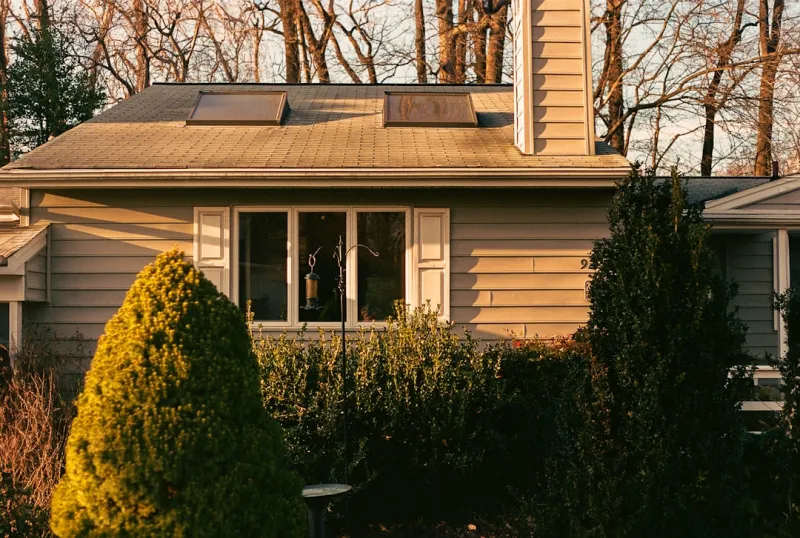
A Home Inspector’s Guide to Sustainable Smart Living
Explore the evolving role of home inspectors in sustainable, smart living, from insulation upgrades ... Read More

The Importance of Home Weatherproofing: A Comprehensive Guide
Home weatherproofing is crucial for protecting your home from the elements and maintaining its integ... Read More
Top Posts
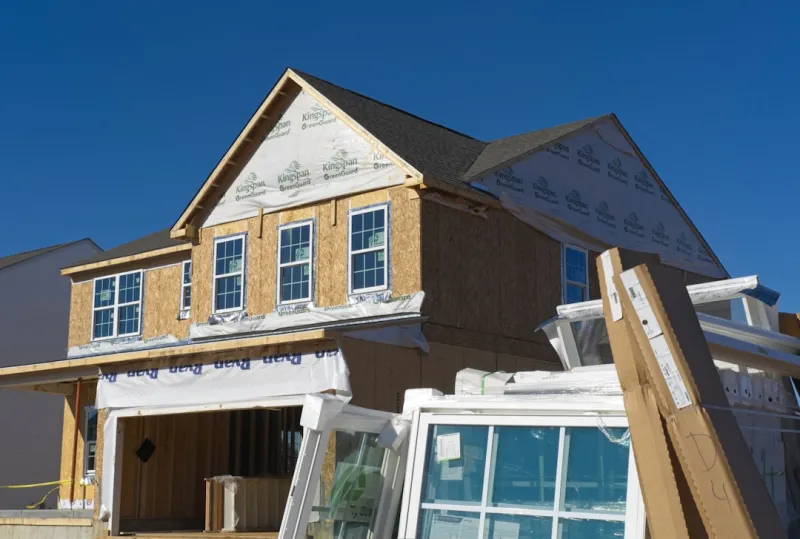
Sustainable Home Additions: A Guide to Building a Greener Future
Learn how to create a sustainable home addition that reduces your environmental impact and enhances your quality of life. Get expert advice on eco-friendly mate...Read More
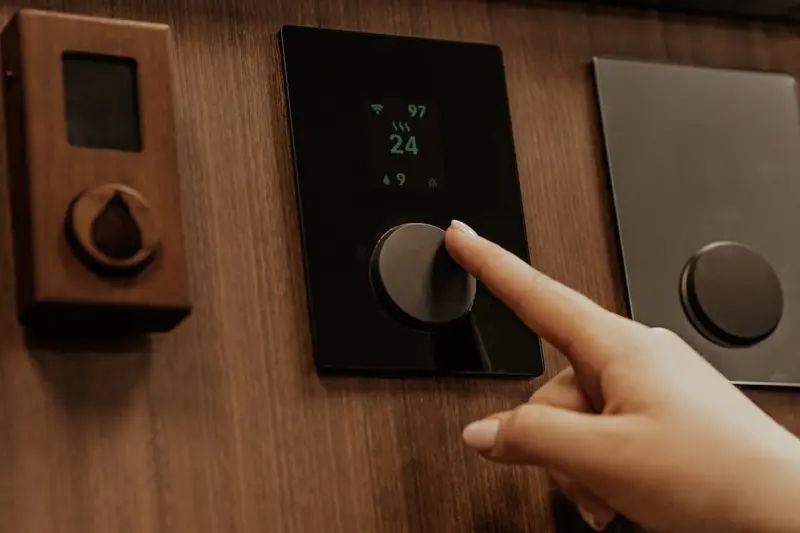
Predictive HVAC: Turning Climate Control into a Competitive Advantage
Predictive HVAC shifts climate control from reactive fixes to data‑driven optimization, delivering lower costs, healthier indoor air, and a sustainability edg...Read More

Concrete’s Quiet Revolution: From Carbon Capture to 3‑D‑Printed Skyscrapers
Concrete is undergoing a silent transformation—self‑healing chemistries, smart sensors, and large‑scale 3‑D printing are turning it from a static materi...Read More

Eco‑Friendly Carpet Cleaning: Proven Strategies for a Healthier Home
A veteran contractor shares his proven, eco‑friendly carpet cleaning strategies, from green solutions and steam power to a disciplined maintenance routine tha...Read More
0 Comments
Post Comment
You will need to Login or Register to comment on this post!