
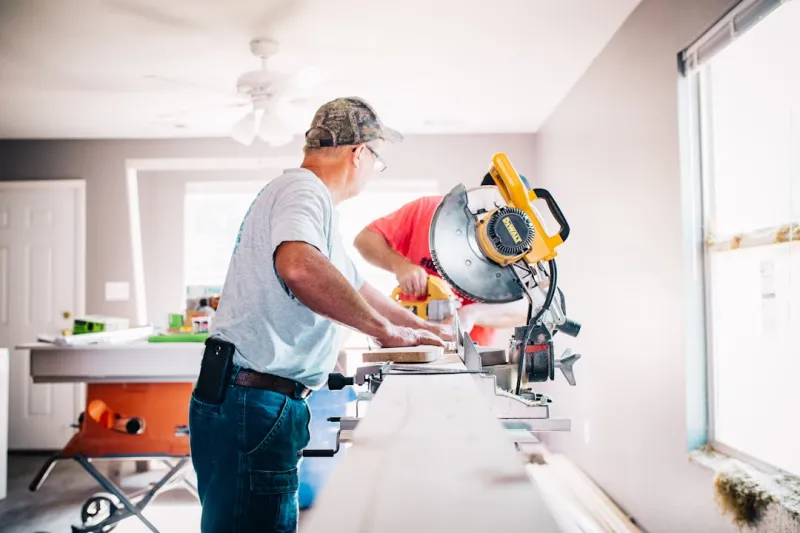
Why DIY Home Repairs Are More Than a Trend
When I first started swapping out old light fixtures for sleek LEDs, I quickly realized that DIY home repairs aren’t just a cost‑saving hack; they’re a pathway to personal empowerment and a greener footprint, especially when each fix is approached with intention. The satisfaction of tightening a leaky faucet or patching a cracked wall is amplified when you see the immediate impact on your utility bills and the reduced waste that comes from avoiding a full‑scale replacement. This mindset has reshaped my entire approach to home maintenance, turning ordinary chores into opportunities for creativity, learning, and sustainable living.
Assessing the Problem Before You Grab Your Tools
Before I dive into any repair, I treat the issue like a detective would a case, gathering as much information as possible—photos, measurements, and even a quick internet search to confirm the underlying cause. A thorough assessment prevents the common pitfall of “quick fixes” that often lead to bigger problems down the line, and it lets me prioritize projects that will yield the greatest return on time and energy. For larger undertakings, I reference The Ultimate Renovation Checklist: From Planning to Perfect Finish to keep my scope realistic and my schedule on track.
Tools of the Trade: Building a Minimalist Kit
My toolbox is intentionally lean, stocked with a high‑quality cordless drill, a set of interchangeable bits, a reliable utility knife, and a compact level that fits neatly into a drawer; these essentials cover the majority of household repairs without cluttering the garage. Investing in durable, multi‑purpose tools not only saves space but also reduces the need for frequent replacements, aligning with a sustainable mindset that values longevity over novelty. I also keep a small inventory of eco‑friendly supplies, like low‑VOC sealants and recycled sandpaper, to ensure every project stays as green as possible.
Fixing Common Plumbing Issues Without a Plumber
Leaky faucets, clogged drains, and running toilets are the trio of annoyances that most homeowners face, and I’ve learned that many of these can be resolved with a few simple steps and the right mindset. For a dripping faucet, I start by shutting off the water supply, then disassemble the cartridge to clean mineral buildup—a process that often restores full function without the need for a costly replacement. When tackling a stubborn clog, I prefer a mixture of hot water, baking soda, and vinegar over harsh chemicals, which not only clears the blockage but also protects the integrity of the pipes.
Reviving Surfaces: From Dull Tiles to Shiny Floors
One of my favorite transformations involves breathing new life into tired flooring, a process that blends aesthetic improvement with sustainability. Instead of ripping out worn laminate, I sand the surface lightly, apply a water‑based stain, and seal it with a low‑VOC polyurethane, achieving a fresh look that feels brand new. This approach not only cuts waste but also preserves the original material, echoing the principles I explore in Flooring Trends That Blend Style, Sustainability, and Smart Living, where durability and style coexist harmoniously.
Window Treatments That Save Energy
Replacing outdated curtains with energy‑efficient treatments has been a game‑changer for my comfort and monthly bills, and I love sharing the journey because it’s a simple yet impactful DIY project. By installing insulated cellular shades and sealing gaps with magnetic tape, I’ve reduced heat loss during chilly mornings and blocked excess sun in the summer, creating a more consistent indoor temperature. The process mirrors insights from The Art of Sustainable Window Treatments: Style Meets Efficiency, demonstrating how thoughtful design decisions can double as energy‑saving upgrades.
Repairing Bathroom Fixtures with Confidence
Bathrooms often feel like the most intimidating rooms to tackle, but with a systematic approach, even a novice can restore a worn bathtub to its former glory. My method starts by cleaning the surface thoroughly, then lightly sanding to create a bonding texture before applying a high‑quality epoxy coating that mimics the original glaze; the result is a glossy, water‑resistant finish that lasts for years. This technique not only saves the expense of a full replacement but also reduces the environmental impact associated with manufacturing and disposing of new tubs.
Maintaining Your Home’s Exterior Without a Contractor
Exterior upkeep, from sealing cracks in driveways to repainting siding, can be managed effectively with a DIY mindset that emphasizes preparation and proper material selection. I begin each project by cleaning the area, removing loose debris, and applying a primer that adheres to the substrate, ensuring the final coat adheres flawlessly and resists weathering. When dealing with a cracked driveway, I fill the gaps with a polymer‑enhanced concrete mix, a method that aligns with the sustainable strategies discussed in recent concrete trend articles, delivering durability without the need for a complete repave.
Safety First: Protecting Yourself and Your Home
Every repair session starts with a safety checklist: proper ventilation, eye protection, and ensuring that electricity is shut off when working near outlets—these simple steps prevent accidents that could undo all the hard work you’ve invested. I also keep a fire‑resistant blanket and a basic first‑aid kit within arm’s reach, especially when handling tools that generate heat or sparks. By treating safety as an integral part of the DIY process, you safeguard both your health and the longevity of the improvements you make.
Celebrating Small Wins and Planning the Next Project
After each successful repair, I take a moment to document the before‑and‑after photos, not only as a personal record but also as motivation for future challenges; seeing a cracked wall transformed into a smooth canvas fuels my confidence to take on larger projects. I then revisit my master list of home upgrades, prioritizing tasks that offer the highest energy savings or aesthetic payoff, ensuring a steady pipeline of improvements that keep my home comfortable, efficient, and uniquely mine. This cycle of assessment, action, and reflection turns DIY home repairs from a one‑off chore into an ongoing, rewarding journey.

Lifan Chen is a freelancer based in Toronto specializing in marketing. With expertise in crafting effective marketing strategies and campaigns, Lifan helps businesses grow their brand presence and reach target audiences. As a Toronto-based freelancer, Lifan combines local market insights with creative marketing skills to deliver tailored solutions for clients.
Related Posts
DIY Home Repairs: Mastering the Art of Quick, Smart Fixes
Adopt a detective mindset, use the right tools, and follow step‑by‑step methods for plumbing, el... Read More

Breathing New Life into Your Home: Sustainable DIY Repair Tips
Learn how to approach DIY home repairs with an eco-friendly mindset and discover sustainable tips an... Read More
Micro‑Fixes for Home Repair: Save Time and Money
Learn how to tackle everyday home repair issues with a mini‑project mindset, essential tools, and ... Read More
Top Posts

Adaptive Reuse: Turning Legacy Buildings into Future‑Ready Commercial Spaces
Adaptive reuse lets businesses preserve cultural heritage, cut costs, and boost sustainability. Learn the strategic steps, technology tools, and design principl...Read More

Unlocking Hidden Savings: A Modern Homeowner’s Guide to Energy Inspection
Learn how modern energy inspection blends smart data, DIY tools, and AI predictions to uncover hidden savings and qualify for green incentives....Read More

Breathing New Life Into Heirloom Furniture: A Restorer’s Journey
Explore how a restorer blends emotion, sustainability, and modern comforts to transform heirloom furniture into timeless, adaptable pieces that honor history wh...Read More

Why Emotional Intelligence Is the Next Frontier for Home Alarm Systems
Home alarm systems are evolving from loud, reactive devices to empathetic, context‑aware allies. Discover how AI, behavioral analytics, and privacy‑first de...Read More
0 Comments
Post Comment
You will need to Login or Register to comment on this post!