
Introduction to Sustainable Window Treatments
When I first stood in my sun‑filled living room, I realized that the windows were both a blessing and a missed opportunity—an opportunity to marry aesthetics with the kind of eco‑conscious thinking that has guided every renovation I’ve tackled. Over the years I’ve learned that window treatments are not merely decorative; they are a pivotal piece of the home’s energy puzzle, a canvas for personal expression, and a chance to showcase sustainable craftsmanship. In this post I’ll walk you through the decisions that turned my ordinary panes into a showcase of style and efficiency, and you’ll see why Sustainable design for windows and doors matters more than ever.
Materials That Matter
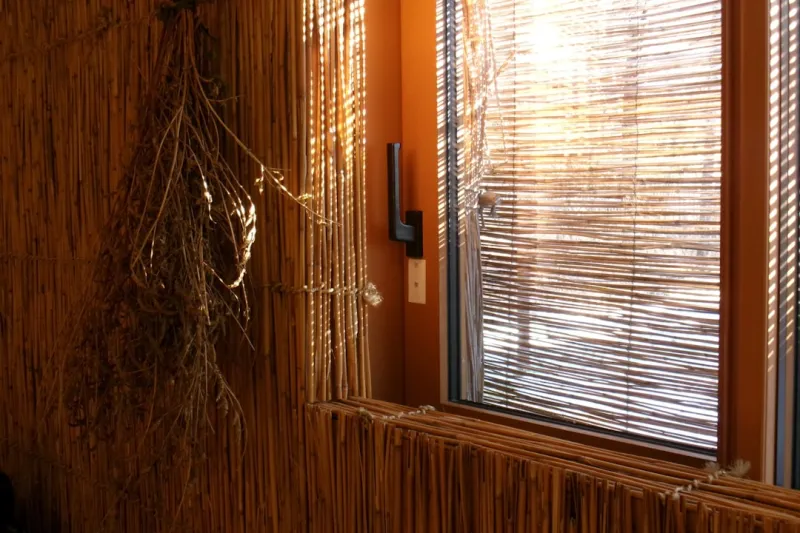
My first foray into greener window dressings began with a deep dive into materials, and I quickly discovered that reclaimed wood blinds and bamboo shades can deliver the warmth of traditional timber without the carbon burden of fresh lumber. Reclaimed wood, harvested from old barns and decommissioned furniture, offers a weathered texture that tells a story, while bamboo—rapidly renewable and naturally resilient—provides a light, airy feel that works beautifully in coastal or sunny interiors. I also gravitated toward organic cotton and linen curtains, which are grown without synthetic pesticides and dyed with low‑impact, plant‑based pigments, giving you a soft, breathable fabric that ages gracefully; the key is to verify certifications such as GOTS to ensure the entire supply chain aligns with sustainability goals.
Energy‑Smart Design
Beyond the tactile appeal, the real power of window treatments lies in their ability to regulate indoor temperature, and that’s where I turned to thermal‑efficiency technologies that have saved me countless dollars on heating and cooling. Cellular shades, with their honey‑comb pockets of air, act as miniature insulation panels that trap heat in winter and reflect it in summer, while blackout curtains—especially those made from recycled polyester—provide an extra barrier against solar gain on sweltering days. Pairing these with smart, motorized systems lets you automate opening and closing based on time of day or weather, a concept I explored further in Unlocking the True Value of Energy Inspections, where I learned that a modest investment in intelligent dressings can boost your home’s Energy Star rating dramatically.
Style, Installation, and Longevity
Choosing the right look is where personal taste meets functional design, and I found that customizing patterns and colors can turn a sustainable solution into a statement piece that complements any décor. I love mixing reclaimed wood blinds with sheer linen panels to create layered depth— the wood provides structure while the linen diffuses light, creating a soft glow that feels both modern and timeless. When it comes to installation, the devil is in the details: accurate measurements (to the nearest half‑inch), sturdy mounting hardware made from recycled steel, and a careful balance of tension ensure that the treatments operate smoothly for years to come; a misaligned rail can cause premature wear, negating the environmental benefits of a durable product.
Maintenance is the unsung hero of longevity, and I’ve made it a habit to dust my blinds with a microfiber cloth and spot‑clean curtains using gentle, plant‑based detergents that won’t degrade the fibers or release harmful microplastics into wastewater. For heavier fabrics, I recommend a low‑heat tumble dry or air‑drying on a rack to preserve shape, and periodically checking the cords and brackets for signs of fatigue—replacing a single component is far less wasteful than discarding the entire set. By treating each element with care, I’ve extended the lifespan of my window treatments well beyond the typical two‑year turnover, reducing landfill contributions and keeping my carbon footprint low.
Integrating window dressings with home automation not only adds convenience but also aligns with broader sustainable upgrades, such as the smart alarm systems I discussed in Why Your Home Alarm System Deserves a Sustainable Upgrade. By linking motorized shades to motion sensors, the home can automatically lower curtains when occupants leave, conserving energy without sacrificing comfort. This synergy between security, lighting, and climate control creates a holistic approach where each system informs the other, turning a simple window treatment into a node of an intelligent, energy‑aware network that learns and adapts over time.
Budget concerns often deter homeowners from pursuing green alternatives, yet I’ve discovered that upcycling and DIY projects can deliver high‑impact results without breaking the bank. I repurposed old denim jeans into rugged, dark‑hued curtains that not only block light effectively but also give a nod to zero‑waste principles; the same denim can be stitched into patchwork blinds for a playful, eclectic vibe. When you source materials from local salvage yards or community swap events, you cut transportation emissions and support circular economies, a philosophy echoed in my earlier work on Transforming My Bathroom: A Sustainable Renovation Journey. These strategies prove that sustainability isn’t reserved for high‑end remodels; it’s accessible to anyone willing to think creatively.
In the end, the journey of selecting and installing sustainable window treatments has reshaped how I view every element of my home—from the way sunlight dances across reclaimed wood to the subtle hum of a motorized shade responding to a sunrise. Each choice, whether it’s a low‑VOC fabric or a reclaimed timber blind, carries a ripple effect that touches energy consumption, indoor air quality, and the visual narrative of the space. By approaching window dressings with the same intentionality I apply to larger renovations, you can achieve a harmonious blend of form, function, and environmental stewardship that feels both luxurious and responsible.

David MacKinnon is a dynamic freelance writer known for his captivating storytelling and keen insights into the world of technology. With a passion for exploring the intersection of innovation and everyday life, he crafts engaging narratives that not only inform but also inspire his readers.
Related Posts

Curating Window Layers: A Personal Guide to Seasonal Style and Smart Comfort
A personal journey into window styling: learn seasonal fabric swaps, smart textile upgrades, and DIY... Read More

The Evolution of Window Treatments: How Sustainable Solutions Are Revolutionizing the Industry
Explore the evolution of window treatments and learn how sustainable solutions are transforming the ... Read More
Transforming Light: The Latest Window Treatment Trends for a Sustainable Home
Explore how modern window treatments merge design, technology, and sustainability, offering smarter ... Read More
Top Posts

Mastering the Human Side of General Contracting: Relationships, Data, and Continuous Growth
A fresh look at general contracting that puts people, real‑time data, and ongoing learning at the core of every successful build....Read More

Why a Well‑Tended Lawn Is Your Company’s Secret Weapon for Employee Happiness
A thoughtful lawn can lower stress, improve morale, and increase productivity. Learn how strategic placement, sustainable maintenance, and employee engagement t...Read More
Quiet Confidence: Rethinking Home Alarm Systems
Explore how modern home alarm systems are shifting from loud sirens to silent, AI‑driven guardians, integrating seamlessly with smart homes while delivering p...Read More
The Hidden Dangers of Mold: A Comprehensive Guide to Removal and Prevention
Mold growth is a silent killer, causing damage to structures, health issues, and financial burdens. Learn how to prevent and remove mold with our expert guide....Read More
0 Comments
Post Comment
You will need to Login or Register to comment on this post!