
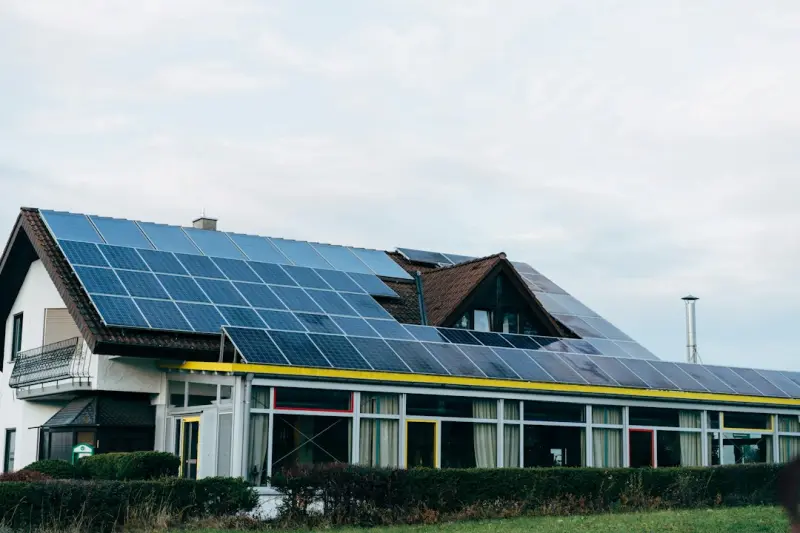
Why Traditional Electrical Panels Are Becoming Relics
For decades, the residential electrical panel has been a box of switches that most homeowners barely notice—until something blows. The classic “breaker box” was designed for a time when homes were static, appliances were few, and power demands were predictable. Today, a single household can host a home office, a solar array, an electric‑vehicle charger, a battery storage system, and a suite of IoT devices—all drawing power in unpredictable bursts. The old‑school panel simply can’t keep up with the data‑driven decisions that modern power management demands. It’s not just about preventing overloads; it’s about optimizing usage, extending equipment life, and delivering real‑time safety insights. In short, the classic panel is fast becoming a museum piece.
The Edge‑Enabled Panel: What It Is and How It Works
An edge‑enabled electrical panel embeds a micro‑processor right inside the breaker enclosure. This processor runs localized analytics, communicates with cloud services, and talks directly to smart devices throughout the home. Unlike a cloud‑only solution, which suffers from latency and privacy concerns, the edge panel processes critical events—like an arc fault or overload—instantly, while still pushing aggregated data to the cloud for long‑term trend analysis.
The core components include:
- Intelligent breakers: Each pole has its own sensor suite (current, voltage, temperature) and a tiny firmware that can detect anomalies within milliseconds.
- Local AI engine: Trained on millions of operation cycles, it can predict a breaker’s wear, anticipate load spikes, and recommend load‑shedding before a brown‑out occurs.
- Secure mesh networking: Using protocols like Thread or Zigbee, the panel creates a self‑healing network that keeps every device in sync without relying on Wi‑Fi bandwidth.
- Edge‑to‑cloud gateway: When needed, data is uploaded to a secure server for deep analytics, compliance reporting, or integration with utility demand‑response programs.
The result? A home that can dynamically balance power, protect its occupants, and even earn revenue by participating in grid services.
From Reactive to Proactive Safety
Traditional panels react after a fault occurs—by tripping a breaker or, in worst cases, by catching fire. Edge panels add a proactive layer. The local AI can detect the faintest signs of an arc fault long before it becomes hazardous. It can also monitor temperature trends on each breaker, alerting the homeowner or contractor to replace a component before it fails. This predictive safety not only reduces fire risk but also cuts down on costly service calls.
For electricians, this means a shift from being the “firefighter” to becoming a maintenance strategist. Service contracts can evolve to include regular software updates, performance audits, and predictive component replacements—much like how HVAC firms moved from repair‑only models to “service‑as‑a‑subscription.”
Energy Efficiency Gains You Can Quantify
When you can see, in real time, how each appliance draws power, you gain a powerful lever for efficiency. The edge panel can automatically shift non‑essential loads (like a pool pump or water heater) to off‑peak hours, or throttle an EV charger when the home’s solar production dips. By integrating with home automation platforms, it can dim lights, lower thermostat setpoints, or even shut down standby devices during demand‑response events.
These actions translate into measurable savings on the utility bill. Studies from pilot programs show an average reduction of 12‑15% in monthly electricity costs for homes equipped with edge‑enabled panels. Moreover, by smoothing out peak demand, homeowners can avoid costly demand‑charge tariffs that many utilities now impose on residential accounts.
Seamless Integration With Renewable Energy Sources
Solar arrays, wind turbines, and home battery packs are no longer add‑ons; they’re core components of a modern energy ecosystem. Edge panels act as the conductor, orchestrating the flow of energy between the grid, storage, and loads. When the sun is shining, excess solar power can be routed directly to the battery, or—if the battery is full—used to pre‑heat water or run a dishwasher. When the sun sets, the panel decides whether to draw from the battery, the grid, or a combination of both, based on price signals and user preferences.
Utility companies are also embracing this flexibility. Many now offer “dynamic pricing” APIs that the edge panel can read, allowing homes to automatically purchase electricity when it’s cheap and sell back excess power when rates spike. This two‑way interaction not only improves the homeowner’s bottom line but also helps stabilize the broader grid.
What This Means for Contractors and Installers
Installing an edge‑enabled panel is not just a matter of swapping out a breaker box. It requires a new skill set:
- Network configuration: Technicians must set up secure mesh networks and ensure proper segmentation from the home’s Wi‑Fi.
- Firmware management: Regular updates are essential to keep AI models current and security patches applied.
- Data interpretation: Contractors will increasingly act as data consultants, translating usage trends into actionable recommendations for clients.
Training programs are already emerging, often in partnership with manufacturers. For forward‑thinking firms, mastering these capabilities can open up high‑margin service contracts and differentiate them in a crowded market.
Privacy and Security: Addressing the Elephant in the Room
Any system that collects granular power data raises legitimate concerns about privacy and cyber‑security. Edge panels mitigate many risks by processing the most sensitive data locally—only aggregated or anonymized information is sent to the cloud. Additionally, manufacturers are adopting hardware‑based root of trust and end‑to‑end encryption, making unauthorized access extremely difficult.
Homeowners should still follow best practices: change default passwords, enable two‑factor authentication on companion apps, and keep the firmware up to date. As the industry matures, we’ll likely see standardized security certifications, similar to those that exist for medical devices.
Future‑Proofing With a Modular Mindset
One of the most compelling aspects of edge panels is their modular construction strategies. Because the intelligence lives in a compact module, future upgrades—like adding new AI models or expanding the number of sensor‑enabled breakers—can be performed without rewiring the entire house. This aligns perfectly with the growing trend of “plug‑and‑play” home upgrades, where homeowners can add or remove capabilities as needs evolve.
For example, a homeowner who later decides to install a second EV charger can simply add a new intelligent breaker and let the edge engine automatically incorporate it into the load‑balancing algorithm. No need for a full panel replacement.
Real‑World Case Study: From Overload to Optimized Power
Consider a suburban family of five that recently upgraded to a 10 kW solar system and purchased an electric‑vehicle. Their original panel was overloaded during summer evenings when the AC, EV charger, and dishwasher all ran simultaneously, triggering frequent trips. After installing an edge‑enabled panel, the system learned the family’s daily patterns and began pre‑charging the EV during midday solar peak, while deferring the dishwasher to a later off‑peak window. The AC’s compressor cycles were slightly shifted to avoid coinciding with the charger’s peak draw. Within a month, the household eliminated all breaker trips and shaved 13% off their electricity bill.
Beyond the tangible savings, the family gained peace of mind. The panel’s mobile app sent a notification when a breaker’s temperature approached a warning threshold, prompting a proactive replacement that prevented a potential fire hazard.
Getting Started: A Practical Roadmap for Homeowners
If you’re intrigued by the promise of an edge‑enabled panel, here’s a step‑by‑step guide to make the transition smooth:
- Audit your current load: Understand which appliances draw the most power and identify any existing pain points (e.g., frequent trips, high bills).
- Consult a certified installer: Look for electricians who have completed training on intelligent panels and can demonstrate past installations.
- Choose a system that integrates with your existing smart home platform. Compatibility with voice assistants or home automation hubs can simplify daily interactions.
- Plan for future upgrades. Discuss modular expansion options with your installer to avoid future rewiring.
- Set up a maintenance schedule. Regular firmware updates and performance checks will keep the AI models accurate and secure.
By following these steps, you’ll not only modernize your home’s electrical backbone but also position yourself to benefit from emerging grid services and sustainability incentives.
Beyond the Home: Commercial Implications
The principles driving edge‑enabled residential panels are already being applied in small‑to‑medium commercial buildings. Offices with flexible workspaces, co‑working hubs, and boutique hotels are adopting similar technology to balance lighting, HVAC, and plug loads while providing real‑time safety monitoring. For B2B SaaS providers, this opens a new market for cloud platforms that aggregate data from hundreds of edge panels, offering analytics, demand‑response coordination, and predictive maintenance dashboards.
If you’re a software vendor, consider building APIs that integrate with these panels, enabling you to offer value‑added services such as energy‑cost forecasting, carbon‑footprint reporting, or even automated billing for shared‑use facilities. The potential revenue streams are diverse, from subscription‑based analytics to transaction fees for grid‑service participation.
Conclusion: Power Management Is No Longer Passive
The electrical panel is stepping out of the shadows and into the role of a proactive, data‑driven hub. Edge‑enabled panels give homeowners and businesses the ability to see, predict, and act on power consumption in ways that were once only possible in industrial settings. For contractors, this shift presents an opportunity to evolve from a purely install‑and‑forget service to a high‑margin, technology‑focused partnership. For the broader ecosystem, it paves the way for a smarter, greener grid where every kilowatt is accounted for and optimized.
As we continue to integrate renewable generation, electrified transportation, and ever‑growing IoT ecosystems, the question is no longer “Can we manage this power?” but rather “How intelligently can we manage it?” The edge‑enabled panel is the answer we’ve been waiting for.
For those interested in the broader context of flexible building design, check out our discussion on building flexibility into walls. And if you’re curious about how digital tools are reshaping workshop environments, our piece on digital‑powered workshops offers valuable insights.

David MacKinnon is a dynamic freelance writer known for his captivating storytelling and keen insights into the world of technology. With a passion for exploring the intersection of innovation and everyday life, he crafts engaging narratives that not only inform but also inspire his readers.
Related Posts
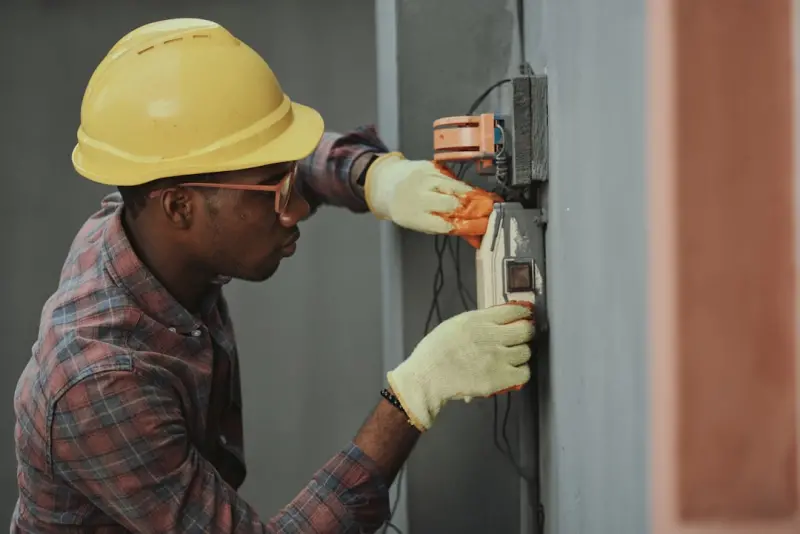
Electrifying the Bottom Line: How Smart Panels Turn Power Into Profit
Smart electrical panels are evolving from passive distributors to active data hubs, offering real-ti... Read More

Embracing Sustainable Electrical Solutions for a Greener Future
Sustainable electrical solutions are critical for creating a greener future. Learn about the benefit... Read More

Inside the Box: Mastering Your Home Electrical Panel for Safety and Efficiency
Learn to safely assess, label, and upgrade your home’s electrical panel. From spotting overload si... Read More
Top Posts

Crafting a Narrative with Tiles: How Patterns, Colors, and Textures Tell Your Home’s Story
Learn to use tile patterns, shapes, colors, and textures as a storytelling tool, creating personalized spaces that speak volumes about your style and life....Read More
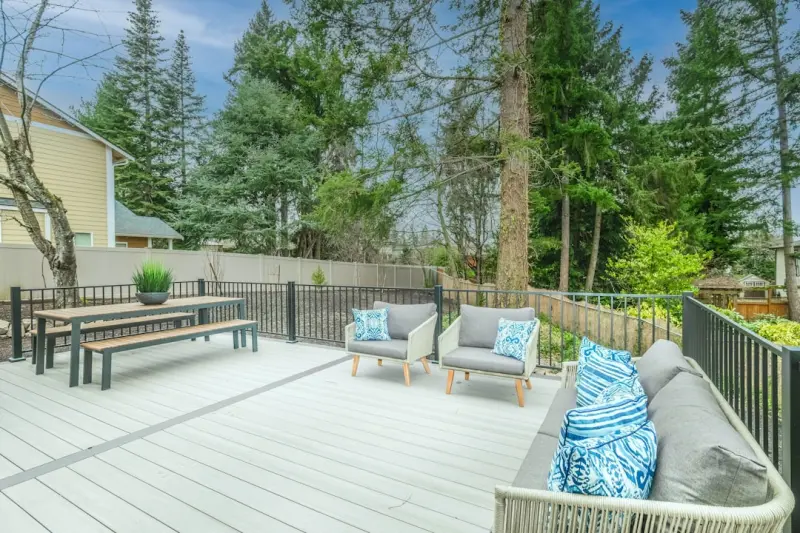
Beyond the Boards: How Intelligent Deck Design is Redefining Outdoor Living
The article explores how decks can evolve into smart, sustainable outdoor spaces by incorporating solar power, modular components, water‑smart systems, and ci...Read More

Snow Removal Reinvented: Data, IoT, and Sustainable Strategies for Modern Facilities
A fresh look at snow removal shows how predictive weather data, IoT‑enabled equipment, and sustainable de‑icing can turn a seasonal headache into a strategi...Read More

The Future of Home Construction: Sustainable Trends to Watch
The home construction industry is undergoing a significant transformation, with a growing focus on sustainable practices and eco-friendly innovations. Learn abo...Read More
0 Comments
Post Comment
You will need to Login or Register to comment on this post!