
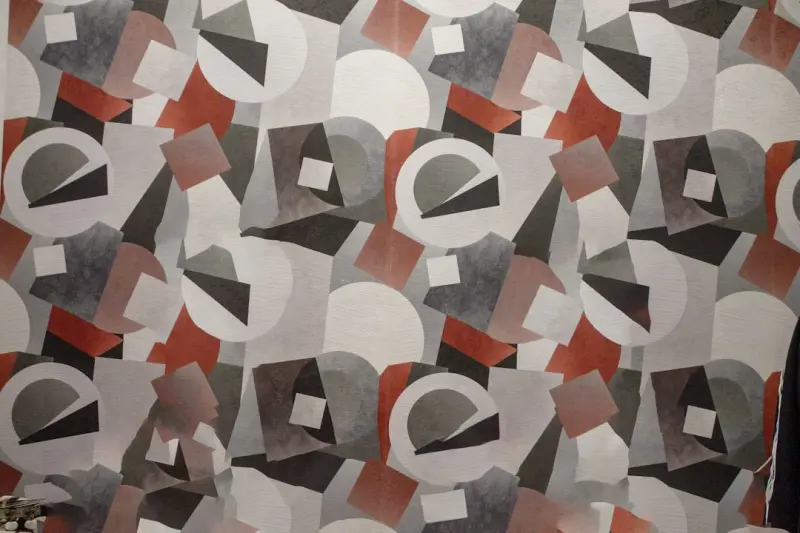
When I first walked into a newly opened coworking hub, the first thing that caught my eye wasn’t the open‑plan desks or the sleek lighting—it was the wall covering. Instead of the usual paint‑or‑paper monotony, the space featured large panels of removable, high‑definition wallpaper that could be swapped out in a single afternoon. The visual impact was immediate, but the deeper value was what the walls could do for a business that needs to evolve on a weekly cadence. This is the story of why flexible wallpaper systems are becoming a silent catalyst for agile work environments.
Why Traditional Wall Finishes Miss the Mark in Fast‑Moving Offices
Corporate real estate has long been plagued by a paradox: the desire to keep spaces fresh and on‑brand versus the cost and downtime of conventional renovations. Paint needs curing time, drywall repairs involve dust and disruption, and traditional paper wallpaper is a permanent commitment that can feel outdated the moment a new campaign launches.
These static solutions also ignore a crucial aspect of modern workplaces: the walls are no longer just background. They are communication platforms, mood influencers, and even data canvases. When a company rolls out a new product line, re‑positions its market narrative, or needs to reinforce safety messaging, the walls should be as adaptable as the rest of the organization.
Enter Flexible Wallpaper: A Modular, Low‑Impact Alternative
Flexible wallpaper—sometimes called “interchangeable wall skin” or “reconfigurable wall covering”—combines three core attributes:
- Removability: Panels attach via a proprietary, low‑tack adhesive that leaves no residue, allowing for clean removal within minutes.
- Print Versatility: High‑resolution digital printing can reproduce everything from vibrant brand graphics to subtle texture patterns, and the panels can be ordered in standard or custom dimensions.
- Durability: Engineered with reinforced fibers and a protective coating, the material resists scratches, stains, and minor impacts, making it suitable for high‑traffic zones.
The result is a wall system that behaves more like a digital display—only it’s tactile, eco‑friendly, and far cheaper to maintain than LED panels.
Material Innovation: From Recycled Fibers to Bio‑Based Binders
One of the biggest hurdles for any surface finish is its environmental footprint. While “sustainable” is a buzzword that appears in many industry discussions, the reality is that many “green” products still rely on petroleum‑based binders. The next generation of flexible wallpaper, however, is moving toward truly responsible formulations:
- Recycled cellulose: Post‑consumer paper waste is processed into a fine pulp that serves as the primary structural component, reducing landfill pressure.
- Bio‑derived polymers: Plant‑based binders derived from corn or sugarcane replace traditional acrylics, cutting VOC emissions during installation.
- Water‑based inks: Modern pigment technology ensures vivid colors without the heavy metal load of older inks, and the drying process is virtually odorless.
These advances mean that a company can change its wall aesthetics without compromising its carbon reduction goals—a win for both branding and corporate responsibility.
From Visual Branding to Information‑Rich Surfaces
In the era of data‑centric decision making, the walls can do more than showcase a logo. Imagine a panel that integrates a low‑power e‑ink strip to display live key performance indicators, or one that incorporates QR codes that employees can scan for quick access to internal resources. Because the panels are removable, updating the information is as simple as swapping a sheet, not rewiring a system.
For example, a technology firm might replace a wall panel every sprint to showcase the current sprint goal, while a consultancy could rotate case‑study highlights in their client‑facing lobby. This fluid visual storytelling keeps the environment aligned with the organization’s narrative in real time.
Installation and Turn‑Around: A Case Study in Speed
To illustrate the practical benefits, let’s examine a recent project with a mid‑size fintech startup. The company wanted to refresh its downtown office to reflect a new product launch, but their lease only allowed a 48‑hour window for any modifications. Traditional renovation would have required at least two weeks of work and significant budget allocation.
Using flexible wallpaper, the interior design team installed 400 square meters of paneling in under 12 hours. The process involved:
- Pre‑printing the graphics in a local print shop, which cut shipping time.
- Applying the low‑tack adhesive to the wall surface using a roller.
- Affixing the panels, which click into a discreet guide rail that ensures perfect alignment.
The client reported zero disruption to daily operations, a 70% reduction in cost compared to a paint‑and‑trim approach, and immediate positive feedback from employees who felt the space “felt brand new.”
Financial Perspective: ROI Beyond Aesthetics
While the upfront cost per square meter of flexible wallpaper can be slightly higher than paint, the total cost of ownership often tells a different story. Consider the following savings vectors:
- Reduced downtime: With installations completed in a single shift, revenue loss from halted work is minimized.
- Lower maintenance: The protective coating reduces the need for frequent touch‑ups, and any damage can be localized to a single panel.
- Extended lease flexibility: Tenants can adapt the visual identity without negotiating costly build‑out allowances with landlords.
When you aggregate these factors, the payback period can be under twelve months, especially for companies that regularly rotate marketing campaigns.
Design Inspiration: Aligning Wall Narratives with Corporate Culture
Choosing the right visual language for flexible wallpaper is more than a design exercise; it’s an expression of company values. Here are three approaches that avoid the generic “paint‑the‑walls” mindset:
- Storytelling mosaics: Assemble a series of panels that together form a large, evolving illustration—think a timeline of milestones that grows with each new panel added.
- Texture‑rich environments: Use subtle, tactile patterns (like woven bamboo or brushed metal) that add depth without overwhelming the senses.
- Localized culture maps: Highlight regional office landmarks or employee‑generated artwork, reinforcing a sense of community across global sites.
These concepts can be customized to reflect any brand voice, from minimalist tech to vibrant creative agencies.
Integrating With Existing Smart Building Strategies
Flexible wallpaper does not have to exist in isolation. It can complement broader building optimization efforts, such as augmented reality overlays for facility management or virtual building models that streamline maintenance planning. By pairing interchangeable panels with a digital asset library, facilities managers can schedule wall updates alongside other system upgrades, ensuring a harmonious evolution of the physical and digital environment.
Future Outlook: From Static to Dynamic Environments
Looking ahead, the convergence of material science, low‑energy displays, and cloud‑based asset management will likely give rise to truly dynamic walls—surfaces that can change texture, color, and even temperature on demand. While that vision remains on the horizon, flexible wallpaper is the practical stepping stone that lets organizations experiment today without committing to full‑scale tech installations.
In the meantime, companies that adopt interchangeable wall systems gain an immediate competitive edge: a space that reflects their brand instantly, reduces downtime, and supports a culture of continual renewal. It’s a small investment that pays outsized dividends in employee morale, client perception, and operational agility.
Getting Started: A Quick Checklist
- Assess high‑traffic zones where visual impact matters most.
- Identify key messages or graphics you want to rotate quarterly.
- Choose a material supplier that offers recycled fibers and bio‑based binders.
- Plan a pilot installation on a single floor to gauge employee response.
- Integrate panel updates with your existing content management workflow.
By following these steps, you can transform static walls into living canvases that grow with your organization.

Lifan Chen is a freelancer based in Toronto specializing in marketing. With expertise in crafting effective marketing strategies and campaigns, Lifan helps businesses grow their brand presence and reach target audiences. As a Toronto-based freelancer, Lifan combines local market insights with creative marketing skills to deliver tailored solutions for clients.
Related Posts

The Art of Sustainable Wallpapering: Trends, Tips, and Transformations
Explore how to choose, install, and maintain sustainable wallpaper, with expert tips that marry desi... Read More
Wallpapering as Art: Transforming Walls into Personal Storytelling Canvases
Explore a fresh, personal approach to wallpapering—sustainable picks, pattern mixing, custom print... Read More

The Art of Wallpapering: A Comprehensive Guide to Transforming Your Space
Wallpapering is a powerful tool for transforming your space. Learn how to choose the right material,... Read More
Top Posts
Revolutionizing Kitchen Design: The Future of Countertops
The future of countertops is here. Learn how sustainable materials, innovative manufacturing processes, and smart home renovations are transforming kitchen desi...Read More
Insulation Reimagined: Turning Walls into Smart, Sustainable Energy Guardians
Insulation is evolving from a passive thermal barrier to an active, data‑rich, and sustainable building component. Discover new materials, sensor integration,...Read More

Silencing Squeaks and Fixing Tiles: A DIY Home Repair Playbook
A comprehensive, step‑by‑step DIY guide that shows homeowners how to diagnose, repair, and maintain squeaky floors and cracked tiles while using sustainable...Read More
Why Handyman Services Are Shifting to Subscriptions
A deep dive into the rising subscription model for handymen, exploring tech integration, permit handling, transparent reporting, and strategic growth to create ...Read More
0 Comments
Post Comment
You will need to Login or Register to comment on this post!