

Why Your Floor Isn’t Just a Surface
When I first stepped onto a fresh hardwood floor in a client’s living room, I felt an instant shift in the room’s energy. It wasn’t the shine or the grain; it was the subtle way the material whispered to the space, influencing how people moved, talked, and even thought. Flooring is the silent architect of ambience, shaping mood long before a paint color or a piece of furniture makes its mark. Research shows that tactile experiences affect our nervous system, and the under‑foot feel can either calm or stimulate. A cool tile in a kitchen can make cooking feel crisp and efficient, while a plush carpet in a home office can dampen distractions and boost focus. Understanding this hidden language lets homeowners curate environments that work for their lifestyles, not just their aesthetic preferences.
Decoding the Psychology Behind Different Materials
Each flooring type carries its own psychological cue. Natural wood, with its organic veins, tends to evoke warmth, nostalgia, and a sense of grounding. In contrast, sleek polished concrete offers a modern, industrial vibe that can inspire creativity and a feeling of spaciousness. Vinyl planks, especially the luxury variety, blend durability with a comforting visual warmth, making them ideal for high‑traffic zones where families need resilience without sacrificing style. Meanwhile, cork, often overlooked, provides gentle cushioning and a subtle, earthy aroma that can reduce stress. By aligning material choice with the intended emotional outcome of a room, you can turn a simple floor into a purposeful design tool.
From Mood to Money: How Flooring Choices Impact Home Value
Beyond the intangible benefits, flooring directly influences resale potential. Real estate data consistently shows that homes with high‑quality hardwood or well‑installed engineered wood command higher offers than those with dated carpet or laminate. Buyers associate these surfaces with longevity, low maintenance, and a premium aesthetic, which translates to perceived value. Preventive maintenance plays a pivotal role here; a well‑cared floor signals that the homeowner has tended to the property’s overall health. Moreover, sustainable flooring options—like bamboo or reclaimed wood—appeal to eco‑conscious buyers, adding a modern, responsible edge to the property’s marketability.
Choosing the Right Underlayment for Comfort and Efficiency
Underlayment is the unsung hero that bridges the gap between floor covering and subfloor, affecting both comfort and energy performance. A high‑density foam underlayment under laminate can dramatically reduce footfall noise, creating a quieter household—perfect for families with young children or home offices. For tile installations, a cementitious underlayment can improve thermal mass, helping indoor temperatures stay steadier and reducing reliance on heating systems. Selecting an underlayment with moisture‑blocking properties is essential in basements or areas prone to humidity, preventing mold and extending the life of the flooring. By treating underlayment as a strategic layer rather than an afterthought, you enhance durability, acoustics, and energy efficiency simultaneously.
Acoustic Flooring: Designing Spaces for Sound Control
In an age where remote work and home studios are commonplace, controlling sound has become a design priority. Acoustic flooring solutions—such as carpet tiles with dense fibers, rubberized underlays, or cork planks—absorb and dampen noise, creating a quieter environment. A sound‑absorbing floor can transform a bustling family room into a focused workspace or a lively entertainment area into a more intimate setting. Pairing these materials with strategically placed rugs further refines the acoustic profile, allowing homeowners to fine‑tune reverberation levels without compromising style. For those building a home theater, consider a combination of thick carpet and acoustic panels to achieve cinema‑grade sound isolation.
Integrating Smart Technology with Modern Flooring
The rise of smart homes offers exciting possibilities for flooring that does more than look good. Heated floor systems, now available for wood, tile, and laminate, provide consistent warmth while reducing the need for bulky radiators. Coupled with programmable thermostats, these systems can adapt to daily routines, saving energy and enhancing comfort. Some manufacturers embed sensors within the floor to monitor foot traffic, humidity, and temperature, feeding data into home automation platforms. This information can trigger alerts for potential moisture issues before they become costly problems, aligning perfectly with future‑focused HVAC solutions. The synergy between intelligent flooring and broader smart home ecosystems creates a seamless, responsive living environment.
Eco‑Conscious Flooring: Balancing Sustainability and Style
Environmental stewardship is no longer a niche concern; it’s mainstream. Sustainable flooring options—such as rapidly renewable bamboo, reclaimed hardwood, or low‑VOC linoleum—allow homeowners to reduce their carbon footprint without sacrificing aesthetics. Bamboo, harvested in cycles as short as five years, offers a hard‑wearing surface comparable to traditional hardwood. Reclaimed wood, sourced from old barns or factories, brings character and history while diverting timber from landfills. Additionally, many manufacturers now produce luxury vinyl tiles using recycled plastics, providing a waterproof, durable option suitable for kitchens and bathrooms. Choosing these materials not only supports greener practices but also appeals to the growing market of environmentally aware buyers.
Maintenance Mastery: Extending the Life of Your Floors
Even the most resilient flooring benefits from a thoughtful maintenance routine. For hardwood, regular sweeping and occasional damp mopping (using a cleaner specifically formulated for wood) prevent grit from scratching the surface. Tile floors thrive on a simple mix of mild detergent and water, but sealing grout annually protects against stains and moisture intrusion. Carpet owners should vacuum weekly and schedule deep cleaning every 12‑18 months to maintain fiber integrity and indoor air quality. Incorporating protective measures—like entryway mats and furniture pads—reduces wear and prolongs the floor’s pristine appearance. A disciplined upkeep plan not only preserves beauty but also safeguards the investment over the long term.
Designing a Cohesive Floor Narrative Across Your Home
The final piece of the flooring puzzle is creating a visual flow that ties each room together while honoring its unique function. Using a consistent material palette—such as a warm oak throughout living spaces and a lighter, moisture‑resistant wood in bathrooms—creates continuity. Transition strips can subtly delineate zones without jarring contrasts. In open‑plan homes, consider expanding a single flooring type across kitchen, dining, and lounge areas to enlarge the perceived space. Conversely, strategic contrast—like a darker floor in a cozy den—can define intimate pockets within larger layouts. By thoughtfully orchestrating floor choices, you craft a narrative that guides movement, enhances comfort, and tells a story unique to your home’s personality.

Tom Ferguson is a Canadian freelance writer with a passion for storytelling, current events, and thoughtful commentary. Drawing on years of writing experience, he shares engaging insights on a wide range of topics, bringing a uniquely Canadian perspective to his work.
Related Posts
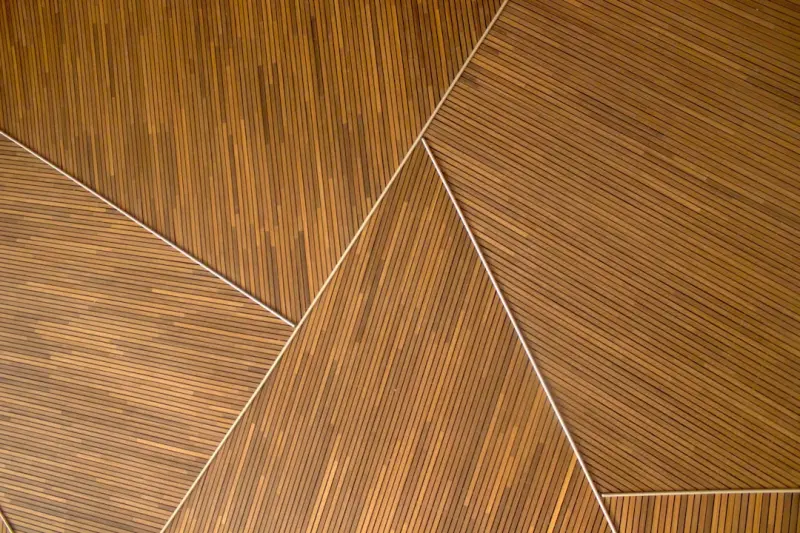
Flooring Fundamentals: How Your Choice Shapes Comfort, Health, and Home Identity
Explore how flooring choices influence comfort, health, and style. From sustainable materials to sma... Read More
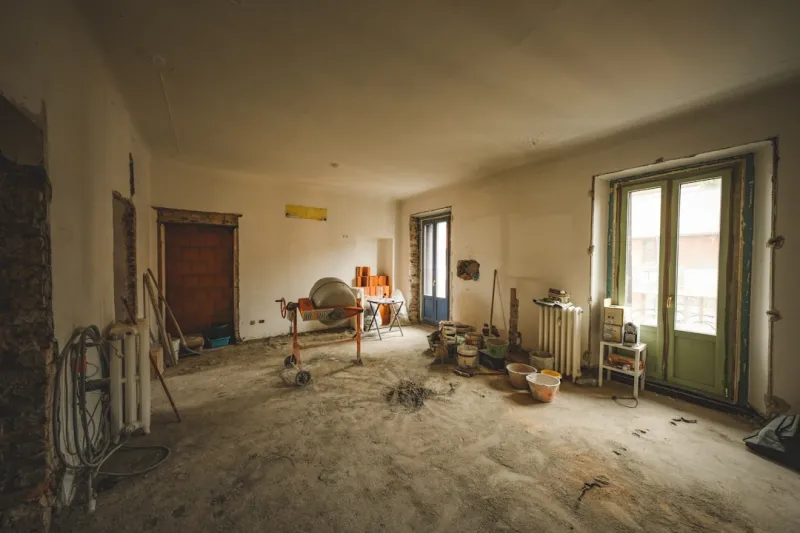
The Role of Flooring in Sustainable Home Restoration
Flooring plays a significant role in sustainable home restoration. Learn about eco-friendly options,... Read More
Sustainable Flooring: A Key Component of Eco-Friendly Home Design
Sustainable flooring is a critical component of eco-friendly home design. Learn about the benefits a... Read More
Top Posts

Breathing New Life into Aging Woodwork: A Craftsman's Roadmap
Learn how to assess, repair, and protect historic woodwork using modern tools and techniques, ensuring lasting beauty and structural integrity for generations....Read More

The Evolution of Roofing: Sustainable Solutions for a Greener Tomorrow
The roofing industry has undergone a significant transformation, prioritizing sustainability and environmental responsibility. Learn about the evolution of roof...Read More
Restoring Furniture: The Unexpected Catalyst for Workplace Innovation
Restoring old desks and chairs isn’t just a design choice—it’s a powerful cultural lever. Learn how hands‑on furniture makeovers spark collaboration, sh...Read More

The Importance of Insulation in Sustainable Home Design
Insulation plays a critical role in sustainable home design, reducing energy consumption and lowering greenhouse gas emissions. Learn how to choose the right in...Read More
0 Comments
Post Comment
You will need to Login or Register to comment on this post!