
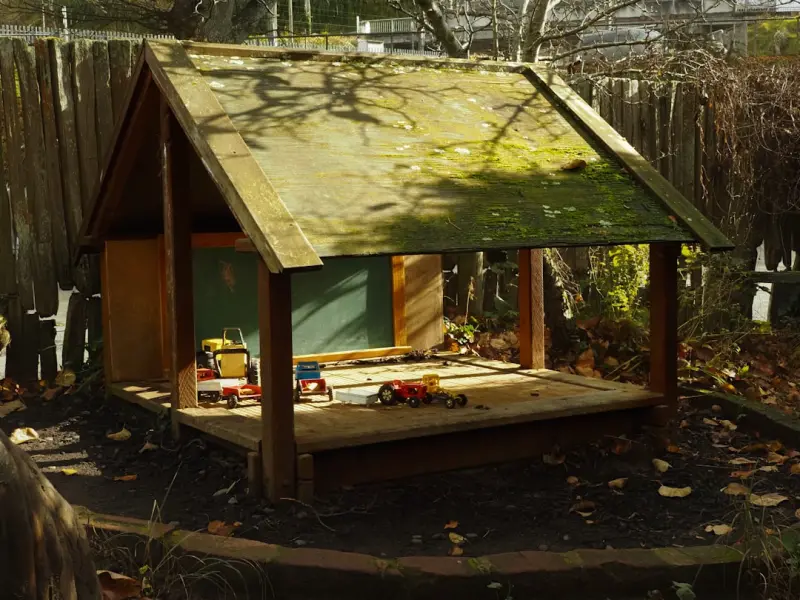
From Backyard to Boardroom: Why the Modern Shed Is the Ultimate Hybrid Workspace
When I first set up a modest wooden shed behind my house, it was purely a storage solution for garden tools and a seasonal bicycle. Fast‑forward a few years, and that same square‑foot structure has morphed into a fully‑fledged home office, a podcast studio, and even a pop‑up showroom for my side‑hustle. The shift wasn’t accidental; it was a response to a broader, under‑the‑radar movement where homeowners repurpose traditional outbuildings into high‑performing, climate‑smart work zones.
In this post, I’ll walk you through the three pillars that turn a humble shed or gazebo into a resilient, productivity‑boosting hub: modular design flexibility, integrated environmental controls, and strategic data‑driven upgrades. Along the way, you’ll see how leveraging the right technologies and design principles can future‑proof your backyard sanctuary without breaking the bank.
1. Modular Design: Building Flexibility Into the Fabric
Traditional sheds are often built as single‑purpose shells: four walls, a door, and a roof. The problem? Once you lock in a layout, adapting to new needs becomes a costly renovation project. The modern solution is to think in modules—pre‑engineered components that can be re‑configured as your use case evolves.
- Prefabricated wall panels that snap together with concealed fasteners, allowing you to add or remove sections without demolition.
- Floor grid systems that accommodate raised workstations, cable trays, or even a retractable flooring for a standing‑desk setup.
- Roof panels with interchangeable insulation layers, enabling quick swaps between thermal retention for winter and reflective coatings for summer.
By treating the shed as a living system, you can start with a basic storage space and, as your workflow changes, add a sound‑absorbing panel here, a glass wall there, or a solar‑powered skylight without compromising structural integrity. The modular philosophy also dovetails nicely with the growing trend of “tiny‑office” rentals—think of your shed as a portable commercial lease you can scale up or down at will.
2. Integrated Environmental Controls: Comfort Meets Efficiency
Working in a cramped, overheated shed can kill productivity faster than a noisy coffee shop. The secret to a functional outbuilding lies in a balanced micro‑climate, and that balance is achievable with a blend of passive design and smart technology.
Passive strategies first. Orient the entrance toward prevailing breezes, incorporate operable louvered vents, and use reflective roofing materials to deflect excess heat. A well‑placed pergola or lattice can provide filtered shade while still allowing daylight to filter in, reducing the need for artificial lighting.
Active controls next. Install a compact, ductless mini‑split HVAC unit that can be programmed via a smartphone app. Pair it with a smart thermostat that learns your occupancy patterns and adjusts temperature accordingly. For those who prefer a greener approach, a IoT-driven canopy care system can monitor humidity and temperature in real time, triggering misting or ventilation as needed.
Don’t forget air quality. A small HEPA filter or an air‑purifying plant wall can dramatically improve indoor air, especially if you’re spending eight‑plus hours a day inside. Combine this with a low‑VOC finish on interior wood surfaces to keep the environment healthy and odor‑free.
3. Data‑Driven Upgrades: Turning Sensors into Savings
One of the most compelling arguments for a smart shed is the ability to collect data that informs smarter decisions. By deploying a handful of inexpensive sensors, you can track energy consumption, temperature fluctuations, and even structural health.
For instance, a vibration sensor mounted on the roof can alert you to wind‑induced stress before any visible damage occurs. A moisture sensor in the floor can warn of potential water ingress, prompting a proactive sealant application. These insights feed into a broader maintenance strategy—what I like to call predictive upkeep—that reduces unexpected repair costs.
To illustrate the power of this approach, consider the lessons from Predictive Maintenance: Turning Data Into Property Longevity. While that piece focuses on large‑scale facilities, the same principles apply at the micro‑scale. A few data points from your shed can inform decisions about insulation upgrades, solar panel placement, or even the timing of a roof replacement.
4. The Business Angle: Monetizing Your Outbuilding
Beyond personal convenience, an adaptive shed can become a revenue stream. Here are three ways to monetize the space:
- Co‑working rentals. Offer a quiet, nature‑adjacent desk for freelancers who crave an alternative to noisy cafés.
- Micro‑event venue. Host intimate workshops, product demos, or pop‑up art shows that capitalize on the unique outdoor‑indoor blend.
- Equipment lease. Install high‑end tools—like a 3D printer or CNC router—and rent them out on a per‑hour basis, turning the shed into a mini‑fab lab.
Each model benefits from the modular and data‑centric design discussed earlier. A co‑working rental, for example, can be enhanced with a smart booking system that syncs with the HVAC schedule, ensuring the space is comfortable before a client arrives.
5. Aesthetic Integration: Making the Shed a Design Asset
Functionality is vital, but aesthetics matter just as much when you’re trying to attract clients or simply enjoy the space yourself. Modern sheds and gazebos now embrace biophilic design—a philosophy that integrates natural elements to improve wellbeing.
Key design cues include:
- Living walls. A vertical garden of low‑maintenance succulents not only looks striking but also contributes to indoor air purification.
- Natural wood finishes. Opt for reclaimed timber with a clear, low‑VOC sealant to showcase grain patterns while staying eco‑friendly.
- Ambient lighting. Use warm LED strips along the ceiling joists and motion‑sensing path lights to create a welcoming atmosphere after dark.
When the aesthetics align with purpose, the shed becomes more than a utilitarian structure; it transforms into a focal point that adds property value and enhances curb appeal.
6. Sustainability Checklist: Greening Your Outbuilding
To future‑proof your shed or gazebo, run through this quick sustainability audit:
- Energy source. Install a compact solar panel array on the roof; pair it with a battery pack to offset HVAC and lighting loads.
- Water management. Capture rainwater from the roof for irrigation of the surrounding garden or the living wall.
- Material selection. Choose FSC‑certified lumber, recycled metal brackets, and non‑toxic finishes.
- Lifecycle planning. Design for disassembly so components can be reused or recycled at the end of their service life.
These steps echo the principles found in Cultivating Climate‑Smart Landscapes: Data, Design, and Delight, where data informs sustainable design choices. By treating the shed as a micro‑ecosystem, you can align personal comfort with environmental stewardship.
7. The Roadmap: From Concept to Completion
Ready to turn your backyard shed into a high‑performance workspace? Follow this streamlined roadmap:
- Define your primary use case. Is it a home office, a studio, or a rental? This decision drives size, insulation, and connectivity needs.
- Choose a modular kit. Look for suppliers that offer prefabricated wall panels, floor grids, and roof modules compatible with your climate zone.
- Integrate environmental controls. Install a mini‑split HVAC, smart thermostat, and basic sensor suite for temperature, humidity, and air quality.
- Apply sustainability measures. Add solar panels, rainwater harvesting, and reclaimed materials early in the build.
- Test and iterate. Use the sensor data to fine‑tune HVAC schedules, lighting, and ventilation. Adjust modular components as needed.
- Launch your space. Whether you’re renting it out or using it yourself, market the unique features—green energy, data‑driven comfort, and biophilic design—to differentiate from traditional indoor offices.
Each step is intentionally iterative; the modular approach lets you add or subtract features without costly demolition. This flexibility is especially valuable in a post‑pandemic world where work habits continue to evolve.
Conclusion: The Shed as a Strategic Asset
In my experience, the greatest value of a shed or gazebo isn’t the square footage—it’s the strategic advantage you gain by treating it as an adaptable, data‑informed extension of your living and working environment. By embracing modular construction, integrating smart climate controls, and leveraging real‑time data for maintenance, you create a resilient space that can pivot with your personal and professional needs.
So the next time you glance at that dusty garden structure, imagine the possibilities: a quiet writing nook, a high‑tech studio, a revenue‑generating micro‑office. With the right approach, the humble shed becomes a catalyst for productivity, sustainability, and even profit.

William Roy is a freelance writer originally from Montreal who moved to Ottawa with his wife of 50 years to be closer to their grandkids. Alongside his writing, William has a passion for fishing.
Related Posts

From Backyard Hideaway to Business Booster: Turning Sheds & Gazebos into Micro‑Retail Hubs
Learn how to convert a backyard shed or gazebo into a low‑cost, high‑impact micro‑retail hub, ... Read More
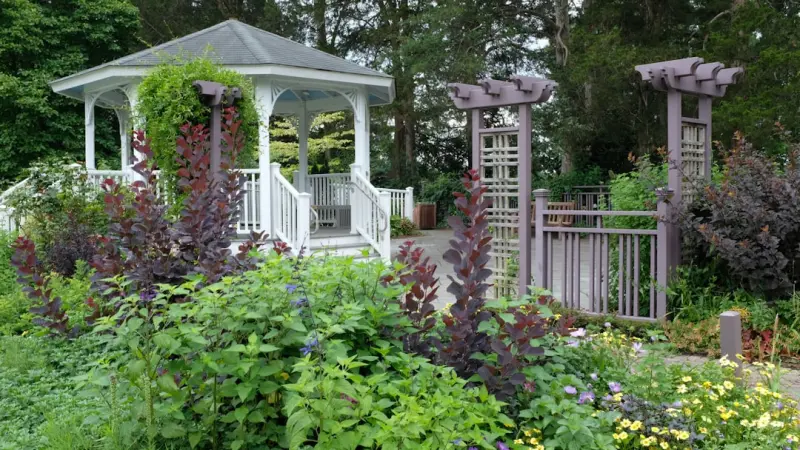
Transform Your Gazebo into a Year‑Round Wellness Retreat
Turn your garden gazebo into a cozy, all‑season sanctuary. Learn design tricks, modular additions,... Read More

Backyard Sheds and Gazebos: Crafting Versatile Outdoor Retreats
Explore a fresh, functional approach to backyard sheds and gazebos, turning simple structures into v... Read More
Top Posts
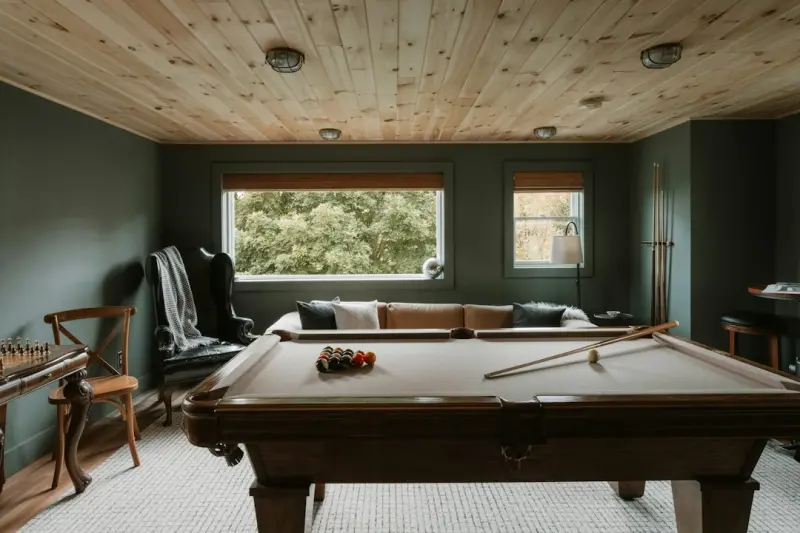
Eco‑Friendly Basement Makeovers: Sustainable Design From the Ground Up
Discover how to turn a dull basement into a green living hub using reclaimed wood, low‑VOC finishes, smart energy systems, and nature‑focused design....Read More
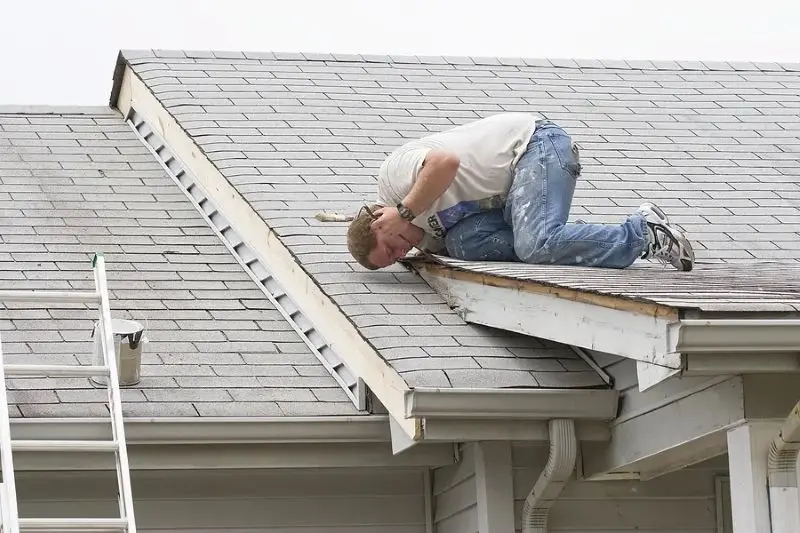
Why Proactive Property Maintenance Pays Off More Than You Think
A practical guide to turning routine upkeep into a profit‑driving strategy, with seasonal checklists, cost‑saving tips, and real ROI insights for property o...Read More
The Ultimate Renovation Checklist for a Sustainable Smart Home
A detailed, practical renovation checklist that helps you plan, budget, choose sustainable materials, and integrate smart home tech for a greener, more efficien...Read More
Your Complete Energy‑Efficient Renovation Checklist
A practical, personal guide to planning and executing energy‑saving home renovations, from airtight sealing to smart HVAC and lighting solutions....Read More
0 Comments
Post Comment
You will need to Login or Register to comment on this post!