
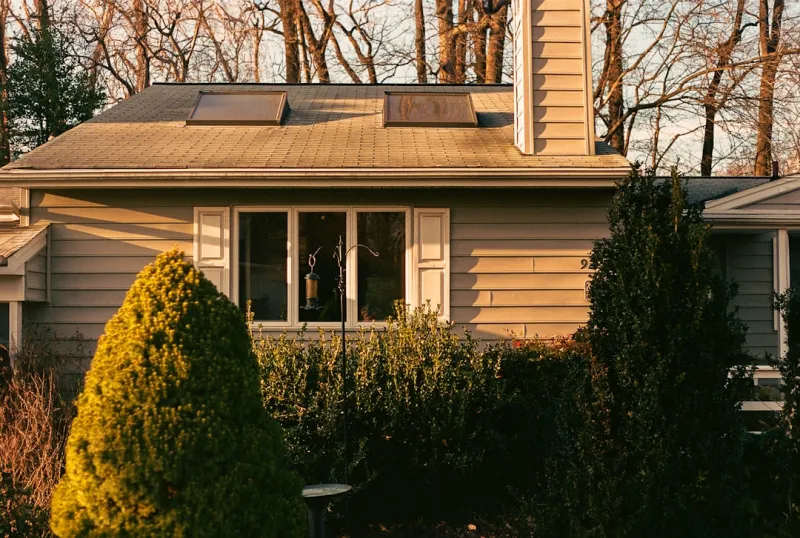
Why Modern Home Inspections Need a Sustainability Lens
When I first stepped onto a job site with a clipboard in hand, I thought my focus would remain on structural integrity, electrical safety, and HVAC performance. Over the past decade, however, the rise of eco‑conscious buyers and the integration of smart technologies have reshaped the expectations placed on a home inspector, demanding that we assess not only what is broken but also what can be optimized for a greener future. Today’s homeowners ask about thermal bridges, renewable energy readiness, and the carbon footprint of building materials, turning a routine walkthrough into a strategic sustainability audit. By embedding a sustainability lens into every inspection, we empower clients to make informed decisions that enhance comfort, reduce utility costs, and future‑proof their investments.
The Hidden Value of Insulation in a Smart Home
One of the most common misconceptions I encounter is that insulation is a “set‑and‑forget” component, visible only when a home feels drafty or the heating bill spikes. In reality, the quality, placement, and type of insulation are pivotal for both energy efficiency and the seamless operation of smart thermostats and zoning systems. Modern blown‑in cellulose, spray foam, and even recycled denim batts each offer distinct R‑values and vapor‑control characteristics that can affect sensor accuracy and system responsiveness. By recommending upgrades such as blown‑in insulation in attics or closed‑cell spray foam around ductwork, I help clients unlock hidden savings and ensure that their smart climate controls can truly “learn” the home’s thermal envelope. For a deeper dive into insulation strategies, see Unlocking the Hidden Power of Insulation for a Smarter, Sustainable Home.
Integrating Smart Sensors with Structural Health Monitoring
Traditional inspections rely heavily on visual cues and manual testing, but the advent of IoT sensors has introduced a proactive layer of defense against hidden defects. Moisture meters that transmit real‑time data to a cloud dashboard can alert homeowners to developing leaks before rot sets in, while vibration sensors attached to load‑bearing beams can detect subtle shifts indicating potential structural fatigue. I now advise clients to consider a modest network of these devices, especially in basements, crawl spaces, and older roof assemblies where early detection can avert costly repairs. Pairing sensor data with a smart home hub creates a holistic view of the property’s health, allowing the homeowner to schedule maintenance at optimal times and even automate mitigation steps, such as activating dehumidifiers or redirecting water flow.
Electrical Systems: From Legacy Wiring to Smart Circuitry
Electrical safety remains a cornerstone of any home inspection, yet the transition from outdated knob‑and‑tube or aluminum wiring to modern smart circuits introduces new opportunities for efficiency and safety. Smart breakers equipped with load‑monitoring capabilities can identify energy‑hungry appliances, flag overloads, and even shut down circuits remotely in the event of a fault. During my walkthroughs, I now assess not only the condition of the service panel but also the readiness of the wiring infrastructure to support these intelligent devices. Replacing aging circuits with labeled, modular smart panels not only satisfies code compliance but also simplifies future upgrades, such as adding EV chargers or dedicated circuits for home battery storage systems.
Roof and Envelope Audits for Weather‑Proof Smart Living
The roof is the first line of defense against the elements, and its performance directly influences the efficacy of solar panels, rainwater harvesting systems, and smart ventilation units. While inspecting shingles, flashing, and underlayment, I also evaluate the roof’s slope and orientation to determine optimal solar exposure and drainage patterns. A well‑ventilated attic, combined with reflective roofing materials, can dramatically lower cooling loads, allowing smart thermostats to maintain comfortable temperatures with reduced compressor cycles. For homeowners interested in a comprehensive approach to weather proofing, the guide Mastering Home Weather Proofing: A Sustainable, Smart Approach offers actionable steps that complement the inspection findings.
Plumbing Checks with a Focus on Water Conservation
Water stewardship is increasingly a priority for buyers, and my inspections now extend beyond leak detection to evaluating the feasibility of low‑flow fixtures, rain‑water capture, and gray‑water recycling systems. I examine pipe materials for corrosion, verify the integrity of shut‑off valves, and test water pressure under varying demand scenarios to ensure that smart water meters can accurately track usage. When older galvanized or lead‑based pipes are identified, I recommend phased replacements that align with the home’s smart irrigation controllers, enabling precise scheduling based on real‑time soil moisture data. By integrating these water‑saving measures early, homeowners can achieve significant utility reductions while supporting broader sustainability goals.
Ventilation, Indoor Air Quality, and Smart Air Management
Indoor air quality (IAQ) often goes unnoticed during a conventional inspection, yet it is vital for occupant health and the performance of smart HVAC systems. I now conduct thorough assessments of ventilation rates, exhaust fan operation, and the presence of VOC‑absorbing building materials. Smart air purifiers and CO₂ sensors can be calibrated during the inspection to provide baseline readings, ensuring that the home’s ventilation strategy meets or exceeds recommended air exchange standards. When deficiencies are found—such as inadequate bathroom exhaust or missing attic ventilation—I suggest remedies that integrate seamlessly with existing smart thermostats, allowing automated adjustments based on occupancy patterns and outdoor air conditions.
Creating a Sustainable Smart Sanctuary: The Inspector’s Role
The ultimate goal of any inspection is to hand over a clear, actionable roadmap that empowers the homeowner to enhance safety, comfort, and sustainability. By blending traditional inspection techniques with insights from The Home Inspector’s Blueprint for Sustainable, Smart Living, I provide recommendations that prioritize high‑impact upgrades—such as improving insulation, installing smart controls, and adopting renewable energy solutions—while respecting budget constraints. This holistic perspective transforms the property from a static structure into a dynamic, responsive environment that adapts to seasonal changes, occupancy habits, and evolving technology standards.
Future‑Proofing Through Continuous Monitoring and Maintenance
Even after the initial inspection report, the journey toward a truly sustainable smart home continues through regular monitoring and preventive maintenance. I encourage clients to schedule annual check‑ins that incorporate data from installed sensors, review energy consumption trends, and verify that all smart devices remain firmware‑up‑to‑date. Leveraging platforms that aggregate sensor data into intuitive dashboards enables homeowners to spot anomalies early—such as unexpected humidity spikes or abnormal power draws—facilitating swift corrective action. By treating the home as an evolving system rather than a one‑time project, owners can sustain the benefits of their smart, sustainable investments for decades to come.

William Roy is a freelance writer originally from Montreal who moved to Ottawa with his wife of 50 years to be closer to their grandkids. Alongside his writing, William has a passion for fishing.
Related Posts
Why Modern Home Inspections Are Becoming Strategic Advisory Services
Home inspections have shifted from simple checklists to strategic consultations. This post explains ... Read More

Beyond the Checklist: How AI and Drones Are Reinventing Home Inspections
Traditional home inspections miss hidden moisture, energy leaks, and structural fatigue. By integrat... Read More

The Importance of Home Inspections in Sustainable Home Restoration
Home inspections play a critical role in sustainable home restoration. By identifying potential issu... Read More
Top Posts
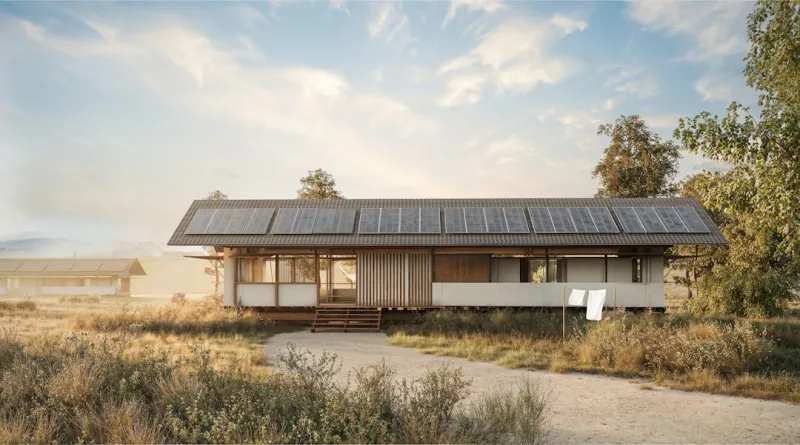
The Rise of Sunrooms: A Sustainable Solution for Modern Homes
Sunrooms are a sustainable solution for modern homes, providing a bright and airy space to relax and entertain while minimizing environmental impact. Learn how ...Read More
Why Your Garage Door Is the Unsung Hero of Facility Efficiency
A modern garage door can do far more than open and close—it can cut energy costs, enhance security, reduce noise, and improve workflow. This article reveals h...Read More

How Waterproofing is Becoming the Silent Powerhouse of Building Resilience
Waterproofing is evolving from a reactive afterthought to a proactive, data‑driven strategy that protects assets, cuts energy use, and supports sustainable bu...Read More
Turning Concrete into Calm: Biophilic Strategies for Commercial Renovations
Explore practical steps to embed biophilic design in commercial renovations, from living walls and daylight harvesting to technology‑driven flexibility, and s...Read More
0 Comments
Post Comment
You will need to Login or Register to comment on this post!