
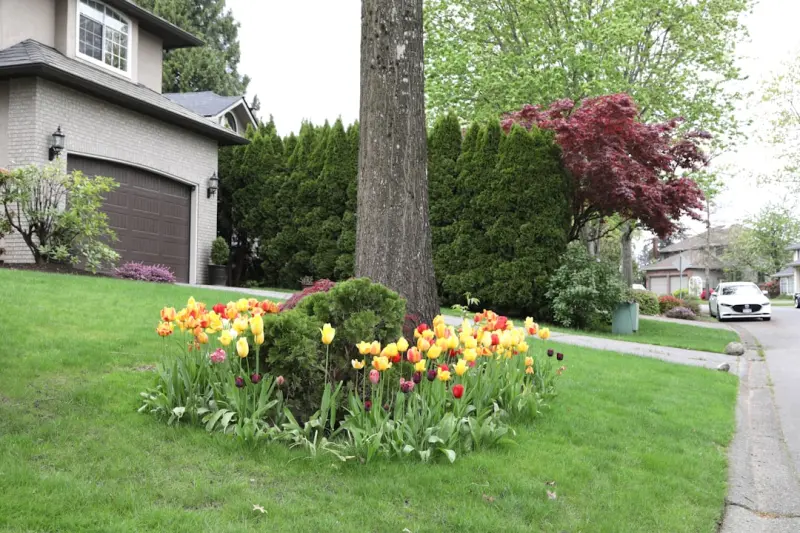
Rethinking the Front Yard: A Low‑Maintenance, High‑Impact Garden Blueprint
When I first stepped onto my own front porch after a long week of client meetings, the first thing that struck me wasn’t the fresh paint or the new mailbox—it was the chaos of a yard that felt like a neglected afterthought. Overgrown perennials, a patchy lawn, and a fence that looked more like a tired relic than a welcoming welcome. I realized I had been treating my front yard the same way I treat my inbox: a place to dump tasks and hope they’ll sort themselves out.
That epiphany sparked a personal project I’ve been calling the Front Yard Refresh. It’s not about turning your property into a botanical garden or installing a fountain that requires a dedicated electrician. Instead, it’s a pragmatic, design‑first approach that blends native planting, smart irrigation, and modern boundary solutions to create a curb‑appeal boost that works for you, not against you.
Why Focus on the Front Yard?
Most homeowners pour time, money, and effort into the back garden—where privacy reigns and the kitchen window offers a glimpse of the oasis. The front yard, however, is the public face of your home. It’s the first impression for visitors, delivery drivers, and, most importantly, potential buyers. A well‑curated front yard can:
- Increase property value by up to 10% according to recent real‑estate studies.
- Reduce energy costs by providing natural shade and windbreaks.
- Enhance mental well‑being through the calming presence of greenery without the need for intensive upkeep.
All of this can be achieved without the sprawling, high‑maintenance lawns that dominate many neighborhoods.
Step 1: Diagnose Your Space
Before planting the first seed, take a walk around the perimeter with a notebook. Answer these simple questions:
- What amount of sunlight does each section receive? (Full sun, partial shade, full shade?)
- What is the soil composition? (Sandy, clay, loam?)
- Are there drainage issues after rain?
- What existing hardscape features are worth keeping?
Documenting these variables creates a “site map” that will guide plant selection and irrigation design. I like to sketch a quick diagram on my phone and label each zone with a letter—A, B, C—so I can reference it later when I’m ordering plants.
Step 2: Embrace Native Plantings for Resilience
One of the biggest mistakes homeowners make is selecting exotic ornamentals that demand constant watering, fertilizing, and pruning. Native plants, on the other hand, have evolved to thrive in local climate conditions, pests, and soil types. They require less water, need fewer chemicals, and attract beneficial pollinators that keep the ecosystem balanced.
Here are three categories of native plants that work wonders in most temperate front yards:
- Evergreen Groundcovers like Virginia creeper or low‑bush blueberry. They provide year‑round color, suppress weeds, and reduce the need for mulching.
- Seasonal Flowering Shrubs such as spicebush or red‑twig dogwood. Their bursts of color create visual interest through spring, summer, and fall.
- Structural Grasses like little bluestem or switchgrass. They add texture, move gently in the breeze, and act as natural windbreaks.
When you choose varieties that are adapted to your hardiness zone, you’ll notice a dramatic reduction in water usage and a lower incidence of disease. In my own yard, swapping a non‑native lawn for a mix of native sedge and lavender cut my summer irrigation bill by roughly 40%.
Step 3: Install a Smart, Zone‑Based Irrigation System
Even with drought‑tolerant natives, efficient watering remains key. Traditional sprinkler heads that blanket the whole yard often over‑water the hardscape and underwater the garden beds. A zone‑based drip irrigation system, controlled by a weather‑responsive controller, delivers water directly to the root zone where it’s needed.
Here’s a quick blueprint for a low‑budget smart system:
- Map your zones. Align them with the sunlight and soil data you collected. Typically, you’ll have separate zones for sunny beds, shaded beds, and any ornamental trees.
- Lay out drip tubing. Use ½‑inch drip tubing with emitters spaced 12–18 inches apart. For larger shrubs, install a soaker hose that wraps the root zone.
- Connect to a smart controller. Devices like the Rachio 3 or RainMachine integrate with local weather forecasts, adjusting run times automatically. If you’re on a tighter budget, a simple timer with rain‑sensor input will still save you a lot of water.
- Test and calibrate. Run the system for a few minutes, check emitter output, and adjust flow rates to ensure each plant receives roughly 0.5–1 inch of water per week, depending on species and season.
When you combine smart irrigation with native planting, you’ll quickly see the synergy: less water wasted, healthier plants, and a garden that looks purposeful rather than patched together.
Step 4: Redefine Boundaries with Modern Fencing Solutions
Fences have traditionally served a purely functional role—keeping pets in, strangers out. In the last few years, however, fence design has evolved into a design element that can enhance security, privacy, and aesthetics simultaneously. One of my favorite resources on this topic is the piece titled Reimagining Fencing, which explores how technology and design intersect to create “interactive property guardians.”
Here are three contemporary fencing ideas that work well in front‑yard settings:
- Living Fences. A row of evergreen shrubs like boxwood or holly clipped into a formal hedge provides privacy while staying green year‑round. Pair it with low‑level lighting for a soft, welcoming glow after dark.
- Perforated Metal Panels. These give a modern, airy feel. The perforations allow light and air to pass while still providing a visual barrier. When backlit, they become a striking night‑time feature.
- Solar‑Powered Smart Gates. Integrated with motion sensors, they can alert you via a smartphone when someone approaches. Some models even incorporate a small LED display that can be customized with a family name or a friendly “Welcome.”
Choosing a fence that complements your planting scheme ties the entire front yard together, turning what could be a hard, stark line into a cohesive, living transition.
Step 5: Layer Hardscape for Low‑Maintenance Appeal
Hardscape—paths, pavers, and decorative rock—doesn’t have to be the boring, concrete slab that dominates many neighborhoods. By selecting materials that echo the natural palette of your native plants, you create a seamless flow from the sidewalk to the garden beds.
Consider these low‑maintenance options:
- Recycled Rubber Pavers. They’re slip‑resistant, flexible underfoot, and often made from post‑consumer tires, aligning with a sustainable ethos.
- Stamped Concrete with a Permeable Overlay. It mimics the look of natural stone while allowing rainwater to percolate, reducing runoff.
- Gravel or Crushed Stone Pathways. When bounded by edging, they keep weeds at bay and create a rustic charm.
In my own front yard, I replaced a portion of the concrete walkway with a recycled glass aggregate that reflects light beautifully and pairs nicely with the silvery foliage of silver sagebrush.
Step 6: Integrate Subtle Lighting for Safety and Atmosphere
Strategic lighting does more than illuminate a path; it highlights architectural features, draws attention to focal plants, and extends the usable hours of your front space. Here are a few low‑energy options:
- Solar Path Lights. They charge during the day and automatically turn on at dusk. Choose models with adjustable heads to direct light onto stepping stones.
- LED Strip Lights. Install them under the lip of a raised planter or along the base of a fence for a soft, ambient glow.
- Motion‑Activated Spotlights. Position them to illuminate the front door and any decorative elements, adding a layer of security.
When planning lighting, aim for a layered approach: ambient (overall illumination), task (walkway clarity), and accent (highlighting a sculpture or a particularly striking plant).
Step 7: Seasonal Maintenance Made Simple
One of the biggest selling points of this approach is the reduced maintenance schedule. Still, a few seasonal tasks keep the front yard looking polished:
- Spring: Apply a light layer of compost to beds, inspect irrigation emitters for clogs, and prune any winter‑damaged branches.
- Summer: Monitor soil moisture using a simple probe, especially during heatwaves, and replace any dead annuals with quick‑growing filler plants.
- Fall: Mulch beds with shredded leaves (which also serves as a natural fertilizer), and clean out any debris from pathways.
- Winter: Protect delicate shrubs with burlap wraps if temperatures dip below the hardiness zone, and clear snow from pathways to prevent ice buildup.
Because the plant palette is composed of low‑maintenance natives, the chores are light, and you’ll spend more time enjoying the space than toiling in it.
Step 8: Connect With Broader Home Resilience Strategies
While the front yard makeover stands on its own, it also dovetails nicely with other resilience projects you may be tackling around the house. For instance, if you’ve recently read Weatherproof Your Home Like a Pro, you’ll recognize that a well‑planted front yard can serve as a natural barrier against wind, reducing the load on exterior walls and windows.
Similarly, a thoughtful fence can work in concert with smart security sensors, creating a layered defense that protects both the building envelope and the surrounding landscape.
Putting It All Together: My Front Yard Before & After
To give you a tangible sense of transformation, here’s a brief timeline of my own front‑yard project:
- Week 1: Conducted site analysis, sketched zones, and ordered native plants and drip‑irrigation components.
- Week 2–3: Installed the smart irrigation controller, laid drip tubing, and set up the first zone (sunny beds).
- Week 4: Planted evergreen groundcovers, seasonal shrubs, and structural grasses. Added a recycled rubber paver path.
- Week 5: Erected a low‑profile perforated metal fence, fitted it with solar‑powered motion sensors.
- Week 6: Integrated solar path lights and LED strips along the fence base.
- Week 7 onward: Ongoing seasonal care—light pruning, mulch refresh, and irrigation adjustments.
The visual difference is striking. The yard now feels intentional, with clear sightlines, vibrant textures, and a welcoming glow after dark. Neighbors have asked about the low‑maintenance aspect, and I’m happy to point them toward the native plant list and the smart irrigation guide.
Final Thoughts: A Front Yard That Works for You
Redesigning the front yard is an opportunity to blend aesthetics, sustainability, and technology without creating a sprawling, high‑maintenance project. By focusing on native plantings, smart irrigation, modern fencing, and subtle lighting, you set up a resilient, eye‑catching entrance that adds tangible value to your home.
If you’re ready to start, grab a notebook, take that first walk around your property, and let the site’s natural cues guide your decisions. The result will be a front yard that not only welcomes guests but also quietly champions environmental stewardship—one native shrub at a time.

William Roy is a freelance writer originally from Montreal who moved to Ottawa with his wife of 50 years to be closer to their grandkids. Alongside his writing, William has a passion for fishing.
Related Posts
Biophilic Blueprint: Transform Your Home with Nature
Explore a practical guide to biophilic design, from indoor plant sanctuaries and smart water managem... Read More
Turning Your Backyard into a Low‑Maintenance Pollinator Haven
A practical guide to designing a thriving pollinator-friendly garden that looks great year‑round w... Read More

The Future‑Ready Garden: Blending Nature and Smart Tech for Everyday Bliss
A tech‑enhanced garden goes beyond gadgets, offering intelligent watering, responsive solar lighti... Read More
Top Posts

Insulation Insights: Turning Your Home’s Skin Into a Smart, Sustainable Shield
Explore a fresh take on insulation that balances eco‑friendly materials, smart home integration, and adaptive design to create a healthier, more resilient liv...Read More

Waterproofing as a Service: Redefining Building Resilience with Subscription Models
A fresh look at waterproofing reveals the power of subscription‑based services, offering financial predictability, proactive maintenance, and rapid repairs—...Read More

Mold Removal Reinvented: IoT‑Driven Proactive Strategies
A data‑first approach to mold removal uses sensor networks, automated alerts, and envelope upgrades to detect moisture early, reduce remediation costs, and im...Read More
The Hidden Benefits of Bathtub Refinishing: A Homeowner’s Deep Dive
Bathtub refinishing isn’t just a quick fix—it’s a design upgrade, a green choice, and a resale booster. Dive into the why, the how, and the hidden perks o...Read More
0 Comments
Post Comment
You will need to Login or Register to comment on this post!