
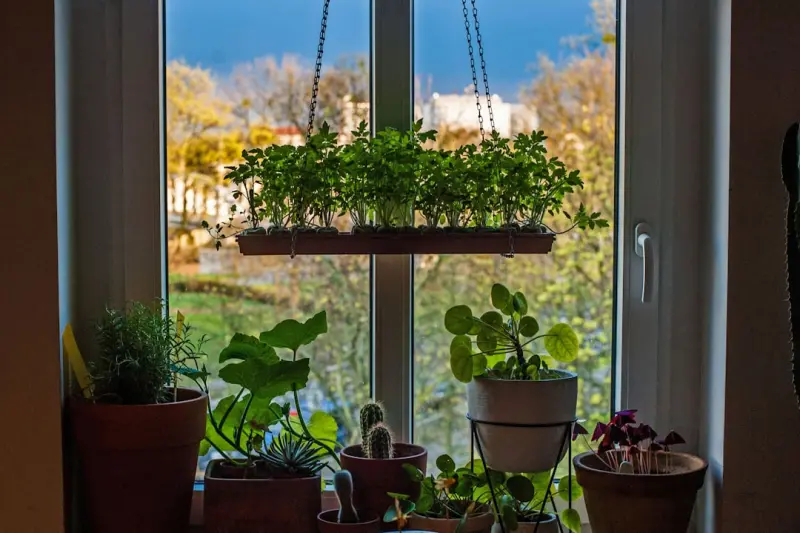
Harvesting Harmony: Designing an Edible Garden That Feeds Body and Soul
There’s a subtle magic that happens when the line between the kitchen and the yard blurs. A well‑thought‑out edible garden does more than supply fresh herbs and vegetables; it becomes a living extension of your home’s personality, a place where aesthetics meet nutrition, and where every step outside feels like a step toward a healthier, more grounded lifestyle.
Why an Edible Garden Deserves a Place in Your Home Design
Most homeowners think of gardens as purely decorative—flower beds, manicured lawns, and ornamental shrubs. While beauty is essential, integrating food‑producing plants adds a layer of purpose that transforms a garden from a visual treat into a functional asset. The benefits are threefold:
- Nutrition on Demand: Freshly plucked basil, lettuce, or heirloom tomatoes deliver flavors that supermarkets can’t match.
- Therapeutic Interaction: Tending to soil, pruning vines, and harvesting crops are proven stress‑relievers, encouraging mindfulness and a tangible connection to the seasons.
- Sustainable Footprint: Growing food at home reduces transportation emissions and packaging waste, turning your yard into a small but potent sustainability champion.
Step One: Mapping Your Space With Intent
Before you buy any seeds, spend a weekend walking your property. Take note of sun patterns, wind corridors, and existing shade structures. An edible garden thrives on sunlight—most vegetables need six to eight hours of direct light per day. Use a simple notebook or a digital sketch app to draw a rough layout, marking high‑sun zones, partial shade, and fully shaded corners.
When you identify a sunny spot, consider a “core” area for high‑yield vegetables like tomatoes, peppers, and cucumbers. For partially shaded zones, herbs such as mint, parsley, and chives flourish beautifully, turning those “less‑than‑perfect” patches into culinary assets.
Step Two: Selecting the Right Plants for Your Climate
Every climate has its champions. In temperate zones, cool‑season crops—lettuce, kale, peas—perform well early in the year. In warmer regions, embrace heat‑tolerant varieties—eggplant, okra, and sweet potatoes. The key is diversity: planting a mix of fast‑growing annuals and slower, perennial edibles ensures a continuous harvest and a dynamic visual rhythm throughout the growing season.
For those with limited space, consider “vertical farming” techniques—trellises for beans, cages for tomatoes, and wall‑mounted planters for strawberries. Not only do these maximize yield per square foot, they also add an architectural element to the garden, turning plant support structures into visual statements.
Step Three: Soil Health—The Unsung Hero
Good soil is the foundation of any successful garden, yet it’s often overlooked in favor of flashy plant choices. Start with a simple soil test—most local garden centers offer kits for free. Look for a balanced pH (around 6.5 to 7.0 for most vegetables) and adequate organic matter.
Amend the soil with well‑rotted compost, leaf mold, or even a modest layer of aged manure. These additions not only feed the plants but also improve water retention—a vital factor if you experience erratic rainfall. If you’re interested in sustainable groundcovers that double as low‑maintenance lawns, explore sustainable groundcover solutions for ideas that blend functionality with eco‑friendliness.
Step Four: Watering Smarts (Without the Tech Overload)
Water is the lifeblood of an edible garden, but over‑watering can be as damaging as drought. While the market offers high‑tech irrigation controllers, you can achieve efficiency with low‑tech methods. Mulching—using straw, wood chips, or even shredded newspaper—reduces evaporation and suppresses weeds, meaning you water less often.
For those who still crave a touch of automation, a simple rain barrel connected to a gravity‑fed drip system offers a “set‑and‑forget” approach without the need for Wi‑Fi‑enabled smart controllers. The result? A garden that drinks responsibly, even during a dry spell.
Step Five: Embracing the Seasons Through Succession Planting
To keep the garden productive year‑round, practice succession planting. After harvesting early‑season crops like radishes or lettuce, replace them with a later‑season vegetable such as broccoli or carrots. This strategy not only maximizes your harvest but also creates a visual progression—from bright green seedlings to deep‑purple heads—that keeps the garden visually engaging throughout the year.
Don’t forget perennials like asparagus, rhubarb, and certain herbs. Though they require a bit more upfront patience, they return every year, rewarding you with a reliable food source and a sense of continuity.
Step Six: The Aesthetic Edge—Blending Edible and Ornamental
Who says a garden that feeds you can’t also delight the eyes? Pair edible plants with ornamental companions to create texture, color, and structure. For example, intersperse bright marigolds among lettuce rows; they deter pests while adding a pop of sunshine. Plant ornamental grasses near the perimeter to soften edges and provide a moving backdrop that changes with the wind.
Another tip: use reclaimed or vintage planters to give the garden a sense of history. If you have an old wooden pallet, turn it into a tiered herb garden. For inspiration on reviving older pieces, check out this guide on restoring vintage garden furniture. A restored bench or a repurposed wheelbarrow can become a striking focal point, marrying function and nostalgia.
Step Seven: Managing Pests the Natural Way
Instead of reaching for synthetic pesticides, employ cultural and biological controls. Crop rotation disrupts pest life cycles, while interplanting “companion” species—such as basil with tomatoes—can naturally repel insects. Encourage beneficial insects by planting nectar‑rich flowers like dill, fennel, and yarrow. These attract ladybugs and hoverflies, which prey on aphids and other soft‑bodied pests.
If you encounter a serious infestation, a mild soap spray (a few teaspoons of liquid dish soap mixed with water) can be an effective, chemical‑free remedy. Remember: a healthy, diverse garden is the best defense against disease.
Step Eight: Harvesting for Health and Hospitality
The reward for all the planning and tending is the harvest. When picking vegetables, use clean, sharp scissors to avoid bruising the plant. Harvest in the cooler hours of the morning to retain the freshest flavors and maximum nutrient content. Share your bounty with neighbors or turn it into a communal “garden to table” dinner—an instant community‑building exercise that also showcases the garden’s value.
Step Nine: Maintaining the Garden as a Living Asset
Just like any other investment in your home, an edible garden requires regular check‑ups. Conduct a quick visual inspection each week—look for signs of nutrient deficiency, pest activity, or soil compaction. If you notice a decline in vigor, consider a light feeding with a balanced organic fertilizer. Rotating crops annually and adding fresh compost each season keeps the soil lively and productive.
For homeowners who love data‑driven approaches, think of the garden as a “living asset” that can be monitored using simple tools: a handheld soil moisture meter, a basic pH strip, or even a notebook to track planting dates and yields. Over time, you’ll develop a garden “logbook” that helps you predict future harvests and identify patterns—much like a farmer’s almanac but personalized to your backyard.
Step Ten: Growing Beyond the Garden—Extending the Edible Concept Indoors
If outdoor space is limited, bring the edible garden inside. A sunny windowsill can host a compact herb rack. For a more ambitious indoor setup, a “kitchen wall” outfitted with modular, self‑watering planters can supply a steady stream of greens all year long. This indoor extension blurs the line between the home’s interior and its garden, reinforcing the idea that nourishment and design are inseparable.
Wrapping Up: The Gift of an Edible Garden
Designing an edible garden isn’t about turning your backyard into a farm. It’s about weaving food production into the fabric of everyday life, making each stroll among the rows a reminder that nourishment is as much an emotional experience as a physical one. By mapping your space with purpose, choosing climate‑appropriate plants, nurturing the soil, and embracing both aesthetic and functional elements, you’ll create a garden that feeds the body, soothes the mind, and elevates the very character of your home.
So, roll up your sleeves, get your hands in the dirt, and let the garden become the newest, most rewarding room in your house.

Craig Brett is a freelancer with a passion for the outdoors. His love for nature inspires his work, bringing authentic and engaging perspectives to projects related to outdoor activities, adventure, and environmental topics.
Related Posts

Creating a Year‑Round Outdoor Living Room: Seasonal Styling and Comfort
Turn your patio into a year‑round haven with durable flooring, weather‑proof furniture, layered ... Read More
Cultivating a Four-Season Backyard Oasis: Design Tips for Year‑Round Joy
Learn to design a backyard that changes with the seasons, blending edible plants, adaptable structur... Read More
Front Yard Refresh: Native Plants, Smart Irrigation, and Modern Fencing
A practical, design‑first approach to revamp your front yard with low‑maintenance native plantin... Read More
Top Posts

Building a Future‑Proof Foundation: Science, Materials, and Smart Monitoring
A seasoned contractor shares cutting‑edge strategies—soil testing, green materials, and sensor tech—to build foundations that stand the test of time....Read More

The Ultimate Renovation Checklist for Transforming Underused Spaces
Discover a detailed renovation checklist designed to turn neglected basements, attics, or converted garages into functional, stylish areas, with tips on budgeti...Read More
Crafting a Welcoming Entryway: Practical Tips for a Functional First Impression
Discover a step‑by‑step guide to redesigning your entryway, focusing on decluttering, smart storage, lighting, air quality, and personal touches that make a...Read More

Awning Innovation: Turning Shade into Strategic Asset
A modern awning is more than a shade—it's a high‑tech, sustainable platform that reduces cooling loads, generates solar power, and enhances occupant comfort...Read More
0 Comments
Post Comment
You will need to Login or Register to comment on this post!