

Why Traditional Design‑Build Needs an Evolution
For decades the design‑build model has been praised for its streamlined communication and single‑point responsibility. Yet as owners demand faster delivery, tighter budgets, and demonstrable sustainability, the classic “draw‑then‑build” rhythm shows its cracks. The old playbook—drawing every detail on paper, ordering materials in‑site, and hoping the schedule stays intact—creates hidden delays, inflated waste, and quality variance that modern projects can no longer afford.
Three pressures are converging to force a rethink:
- Time scarcity. Market windows close quickly, and a delayed opening can cost millions in lost revenue.
- Environmental accountability. Stakeholders now scrutinize embodied carbon, landfill diversion, and resource efficiency.
- Talent dynamics. Skilled labor is tightening, while the next generation of workers expects digital, predictable workflows.
Enter modular construction as the catalyst that can rejuvenate design‑build, marrying the model’s collaborative DNA with the precision of factory‑produced components.
The Power of Prefabricated Modules in Integrated Projects
Prefabrication isn’t a new buzzword; it’s a proven method that shifts a substantial portion of the construction timeline from the noisy, weather‑prone jobsite to a controlled factory environment. When you embed this approach inside a design‑build contract, you gain:
- Parallel processing. While the design team refines the architectural intent, the fabrication shop can begin cutting, welding, and assembling modules based on early‑stage BIM data.
- Predictable quality. Factory conditions mean tighter tolerances, consistent finishes, and systematic testing before the module ever touches the foundation.
- Reduced on‑site waste. Materials are cut to exact dimensions, and excess is recycled on the shop floor rather than dumped on the construction site.
This synergy turns the old “design‑then‑build” mantra into a true “design‑and‑build‑simultaneously” workflow.
Design‑Build Contracts that Incentivize Off‑Site Fabrication
Contracts are the language that translates intent into action. To reap modular benefits, the agreement must explicitly reward off‑site work and penalize on‑site overruns. Consider these clauses:
- Milestone‑linked payments. Release funds as each module passes factory QA, not just when it’s delivered to the jobsite.
- Performance bonuses. Offer a percentage bonus if the overall project finishes 30 % ahead of the baseline schedule, a target that modular delivery naturally supports.
- Waste‑reduction credits. Provide financial credit for every ton of material diverted from landfill, encouraging suppliers to adopt lean cutting strategies.
When the contract aligns incentives with modular outcomes, the entire project team—from architects to subcontractors—shares a common goal of efficiency.
Case Study: From Concept to Completion in Half the Time
One recent mid‑rise office tower in the Pacific Northwest embraced a fully modular design‑build strategy. The owner stipulated a 24‑month delivery window, a target that would have been near‑impossible under a conventional approach. Here’s how the team achieved it:
- During the schematic phase, the design team produced a detailed BIM model that included exact module dimensions, MEP routing, and structural connections.
- The fabrication partner began cutting wall panels, floor slabs, and façade units in parallel with the design finalization.
- On‑site, foundation work proceeded while modules were being stacked in the factory. When the slabs were ready, they were craned into place within days, not weeks.
- Final interior finishes—electrical, HVAC, and finishes—were completed inside the modules before delivery, allowing a rapid “plug‑and‑play” connection on site.
The result? The building was occupied 12 months after groundbreaking, slashing labor costs by roughly 20 % and achieving a 45 % reduction in on‑site waste. The owner praised the predictability of the schedule, and the design‑build team cited the seamless coordination as a proof point for future modular pursuits.
Risk Management and Quality Assurance with Modular Systems
Risk in construction traditionally clusters around weather delays, material shortages, and on‑site accidents. Modular construction redistributes many of these risks to the factory floor, where they are easier to control:
- Weather independence. Critical path activities—structural framing, envelope panels, interior partitions—are completed indoors, virtually eliminating weather‑related slippage.
- Supply chain resilience. Factories can buffer material deliveries, hold inventory, and schedule cutting operations to match upstream demand, reducing the “just‑in‑time” fragility.
- Safety improvements. Workers spend less time at heights or in hazardous conditions, as heavy lifting and assembly happen in a controlled environment.
To lock in quality, teams implement a dual‑layer QA process: factory inspections using checklists and automated measurement tools, followed by on‑site verification after module placement. Any deviation is flagged early, preventing costly rework.
The Environmental Payoff: Waste Reduction and Material Circularity
Beyond schedule and cost, modular design‑build delivers a compelling sustainability story. By fabricating components in a repeatable, material‑efficient process, you achieve:
- Up to 90 % reduction in material waste compared to conventional stick‑building.
- Opportunity to re‑use modules in future projects, creating a circular economy loop where de‑commissioned structures can be disassembled and their components repurposed.
- Lower embodied carbon because precise cutting minimizes excess wood, steel, or concrete, and because factories often source recycled content more readily.
These gains align with the broader industry push toward net‑zero construction and can be quantified for green‑building certifications.
Technology Enablers: From BIM to Real‑Time Collaboration
Modular design‑build thrives on data fidelity. A robust BIM model is the single source of truth that drives both the design and the factory. When combined with cloud‑based collaboration tools, teams can see the impact of a change instantly, whether it’s a door size adjustment or a structural reinforcement.
For those looking to accelerate adoption, two tech pathways stand out:
- Leverage Design‑Build Meets Augmented Reality to overlay virtual modules onto the real site, allowing stakeholders to visualize fit and finish before the first piece is lifted.
- Integrate digital twins that mirror the constructed building in real time, feeding performance data back into future module designs.
These tools collapse the feedback loop, ensuring that the design intent survives the journey from screen to factory to site.
Practical Steps for Teams Ready to Adopt Modular Design‑Build
Transitioning isn’t a leap of faith; it’s a series of intentional moves. Here’s a checklist to get started:
- Assess project suitability. Modules work best for repetitive elements—floor plates, bathroom pods, façade panels—but can also be customized for unique architectural features.
- Partner with an experienced prefab fabricator. Look for a shop with proven QA protocols, a track record of on‑time delivery, and a collaborative mindset.
- Invest in BIM depth. Capture every connection detail, from structural bolts to MEP penetrations, to avoid on‑site surprises.
- Re‑write the contract. Embed milestone payments, waste credits, and performance incentives that reward modular success.
- Plan logistics early. Coordinate transport routes, crane availability, and site staging zones well before modules leave the factory.
- Train the crew. On‑site teams need to shift from traditional framing to module installation techniques, which often involve different safety protocols.
- Monitor and iterate. Use post‑occupancy data to refine module designs for future projects, creating a feedback loop that continuously improves efficiency.
By following these steps, design‑build firms can harness modular momentum without disrupting the collaborative spirit that defines the methodology.
Looking Ahead: A Modular Future for Design‑Build
The construction landscape is evolving faster than ever. Clients demand speed, sustainability, and certainty—three outcomes that modular design‑build is uniquely positioned to deliver. As the industry embraces more advanced factories, automated assembly lines, and data‑driven quality checks, the line between design and construction will blur further, producing spaces that are not only built faster but also smarter.
In the end, the promise of modular design‑build isn’t just about cutting weeks off a schedule; it’s about redefining how we think about the built environment—turning each project into a repeatable, low‑waste, high‑performance system that can be scaled, adapted, and reclaimed for the next generation.

Tom Ferguson is a Canadian freelance writer with a passion for storytelling, current events, and thoughtful commentary. Drawing on years of writing experience, he shares engaging insights on a wide range of topics, bringing a uniquely Canadian perspective to his work.
Related Posts
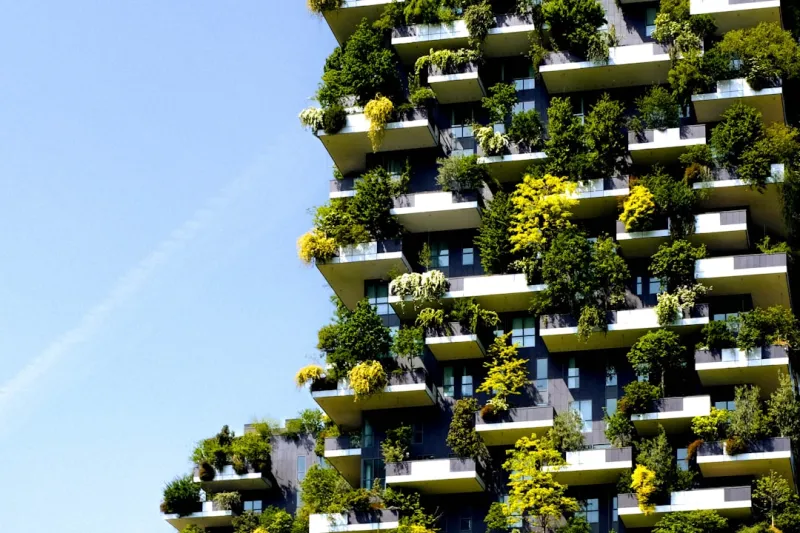
The Evolution of Sustainable Design Build: A Greener Future for Your Home
Sustainable design build is an approach that considers the environmental impact of a building throug... Read More
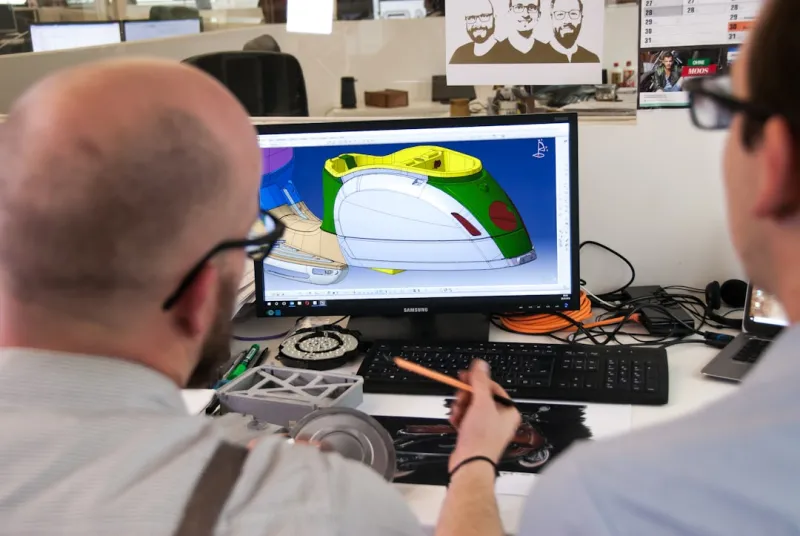
Design‑Build Mastery: Crafting Sustainable Homes That Thrive
Explore the design‑build approach that blends visionary design, collaborative construction, and su... Read More
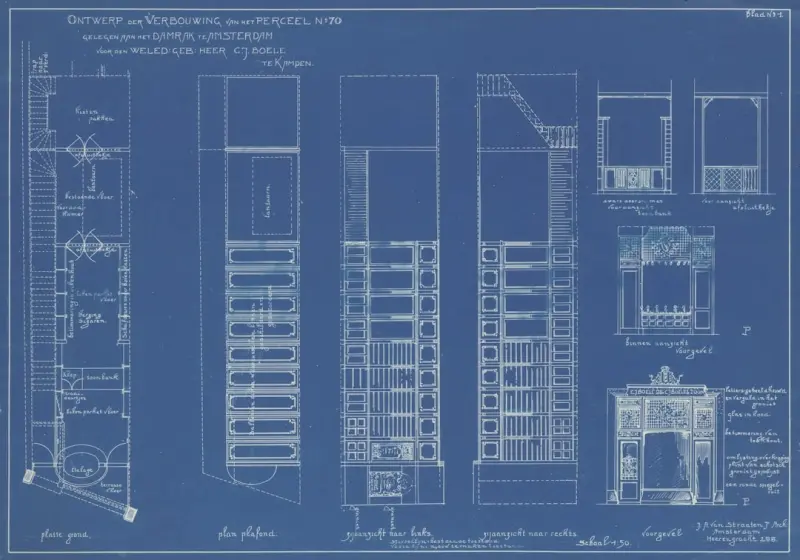
Design‑Build Blueprint for Net‑Zero Energy Homes
A deep dive into the design‑build process that turns net‑zero energy goals into reality, coverin... Read More
Top Posts
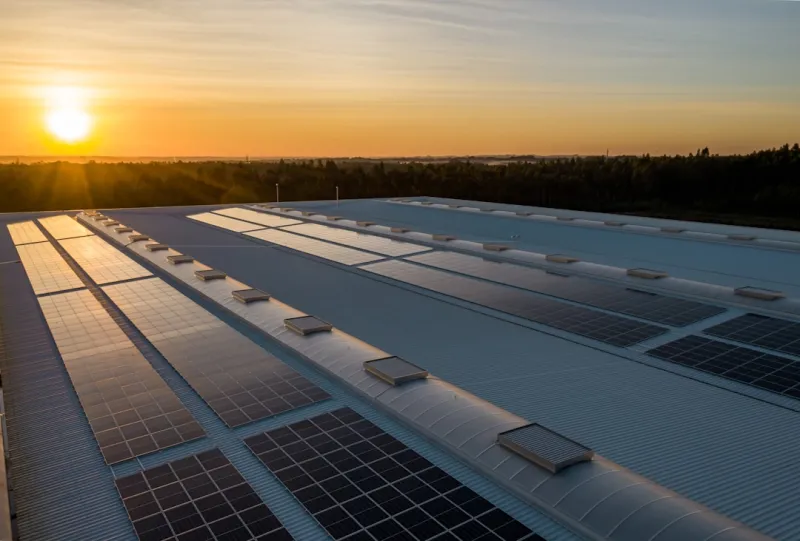
The Solar Energy Revolution: Harnessing the Power of the Sun
The solar energy revolution is gaining momentum worldwide. Learn about the benefits, challenges, and future of solar energy and how it's transforming the way we...Read More

The Art of Sustainable Wallpapering: Trends, Tips, and Transformations
Explore how to choose, install, and maintain sustainable wallpaper, with expert tips that marry design flair and eco‑conscious living, all from a seasoned ren...Read More
Hybrid Deck Design: Turning Outdoor Platforms into Productive Work‑Life Hubs
Discover how to convert a simple deck into a versatile hybrid workspace that boosts productivity, supports wellness, and differentiates your brand, using sustai...Read More
The Hidden Value of Adding a Purpose‑Built Flex Wing to Your Home
A purpose‑built flex wing offers a adaptable, sustainable extension that meets today’s needs and evolves with future lifestyle changes, delivering both comf...Read More
0 Comments
Post Comment
You will need to Login or Register to comment on this post!