
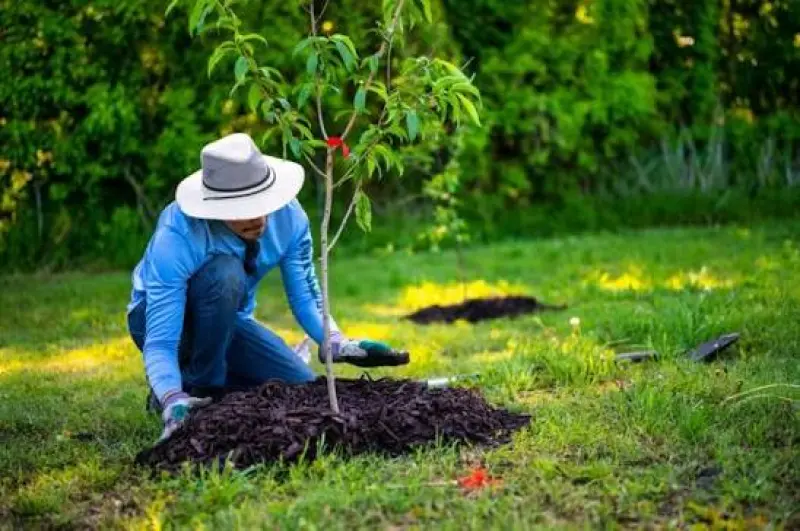
Listening to the Silent Signals of a Tree
When I first planted a silver maple beside my kitchen garden, I quickly learned that trees speak in whispers—tiny changes in leaf hue, subtle bark fissures, and the rhythm of sap flow. Those cues become a language of health, warning of stress before any visible decline appears. By tuning into this silent dialogue, I’ve been able to catch early signs of drought, pest intrusion, or nutrient imbalance, allowing me to intervene with precision and compassion. The habit of daily visual checks, paired with a notebook of observations, transforms tree care from a chore into a mindful ritual.
Root‑Zone Architecture: Building a Foundation for Longevity
Healthy trees begin underground, where a sprawling network of roots anchors, absorbs, and stores. I habitually loosen the soil within a three‑foot radius, ensuring air pockets that invite beneficial microbes and fungi. Incorporating organic mulches—shredded bark, leaf compost, or even coffee grounds—creates a fertile blanket that moderates temperature and retains moisture. Avoiding the temptation to over‑fertilize is crucial; excess nitrogen fuels weak, rapid growth that is vulnerable to wind and disease. By respecting the root‑zone architecture, you set the stage for a resilient canopy that can weather seasons with grace.
Seasonal Pruning: Sculpting Strength and Aesthetics
Pruning is often misunderstood as merely shaping, but its true purpose lies in directing energy to the tree’s strongest limbs. In late winter, before buds swell, I remove any crossing branches that compete for sunlight, and thin out congested interiors to improve airflow. Summer pruning, on the other hand, focuses on cutting back fast‑growing shoots that steal resources from the main trunk. Each cut is made just outside the branch collar, a natural swelling that promotes rapid wound closure. This disciplined, seasonal approach not only enhances visual appeal but also reduces the risk of fungal infections.
Water Management: The Art of Balanced Hydration
Water is the lifeblood of a tree, yet the challenge lies in delivering just the right amount at the right time. I install a simple rain gauge and pair it with a soil moisture probe to monitor the exact needs of each species. Deep, infrequent watering encourages roots to delve deeper, creating a robust anchor against storms. During dry spells, a slow‑release drip system placed at the drip line—where the canopy meets the ground—ensures that water reaches the active root zone without waste. By avoiding shallow, frequent watering, you prevent root rot and promote a healthier, more drought‑tolerant tree.
Biological Partnerships: Harnessing the Power of Beneficial Microbes
One of the most rewarding discoveries in my tree‑care journey has been the impact of mycorrhizal fungi and nitrogen‑fixing bacteria. These microscopic allies extend the root’s reach, unlocking nutrients locked in the soil and enhancing water uptake. I inoculate the planting hole with a commercial mycorrhizal mix, gently working it into the surrounding earth. Over time, the symbiotic relationship becomes evident: leaves turn richer green, and the tree exhibits increased vigor even under stress. Embracing these biological partnerships reduces reliance on synthetic chemicals and aligns your garden with nature’s own wisdom.
Integrated Pest Management: Gentle Defenses Over Harsh Chemicals
Pests are inevitable, but the goal is to keep them at bay without compromising the ecosystem. I start with regular scouting, looking for telltale signs of aphids, borers, or spider mites. When an outbreak appears, I first employ physical barriers—like neem oil sprays or horticultural soaps—targeted directly to the affected area. If the pressure escalates, I introduce beneficial insects such as lady beetles or parasitic wasps, turning the problem into a natural predator‑prey dance. This layered, preventive tree care strategy safeguards the tree while preserving biodiversity.
Data‑Driven Tree Health Monitoring: Merging Tradition with Technology
Modern tools have opened a new frontier for arborists and hobbyists alike. By attaching a simple dendrometer to the trunk, I track growth rates in real time, correlating spikes with weather patterns and irrigation schedules. Coupled with a mobile app, the device alerts me to sudden growth pauses that may signal underlying stress. This data‑driven tree health monitoring complements my sensory observations, allowing for swift, evidence‑based interventions. Embracing technology doesn’t replace intuition; it enhances it, giving you a clearer picture of the tree’s internal state.
Climate‑Responsive Tree Selection: Future‑Proofing Your Landscape
Choosing the right species for your microclimate is a proactive step that pays dividends for decades. I prioritize native or well‑adapted trees that thrive in local temperature ranges, soil types, and precipitation patterns. When space is limited, dwarf cultivars offer the same ecological benefits without overwhelming the site. In urban settings, selecting heat‑tolerant varieties mitigates stress from the heat island effect, while deep‑rooted species help lower ambient temperatures. This thoughtful selection ensures that your tree not only survives but flourishes as climate conditions evolve.
Tree‑Friendly Shade Solutions: Protecting the Understory
While trees provide shade, they can also benefit from strategic shading during extreme heat, especially young saplings. I install lightweight, retractable awnings—similar to the tree‑friendly shading concepts used on patios—to cast a gentle veil during midday scorch. The awning is positioned to allow morning sun, which stimulates photosynthesis, while shielding the foliage during the hottest hours. This balanced approach reduces leaf scorch, conserves water, and encourages a steady growth trajectory during the hottest seasons.
Legacy Planning: Ensuring Your Trees Thrive for Generations
Finally, I view tree care as an intergenerational promise. Documenting planting dates, pruning schedules, and treatment histories creates a living archive that future caretakers can reference. I also label each tree with a discreet, weather‑resistant tag that includes the species name and a QR code linking to a digital care guide. When the time comes to hand over the property, these records become a valuable legacy, ensuring that the trees you nurtured continue to provide shade, oxygen, and beauty for years to come. By planning ahead, you embed stewardship into the very fabric of your landscape.

When it comes to the world of blogging and writing, Rose DesRochers is a name that stands out. Her passion for creating quality content and connecting with her audience has made her a trusted voice in the industry. Aside from her skills as a writer and blogger, Rose is also known for her compassionate nature.
Related Posts

Seasonal Tree Care: Turning Canopies into Strategic Assets
A detailed, seasonal checklist shows property managers how to transform tree maintenance from a reac... Read More

Soil Symphony: Unlocking Hidden Tree Health with Underground Allies
Explore the unseen world beneath your trees—learn to read soil signals, boost microbial allies, an... Read More
Tree Care from a Sustainable Contractor’s Perspective: Craig Brett’s Guide to Greener Growth
Contractor Craig Brett shares practical, sustainable tree care tips—pruning, soil health, water ma... Read More
Top Posts

Beyond Cracks: Leveraging Data to Future‑Proof Your Foundation
A data‑first approach to foundation repair uses sensors, AI analytics, and proactive maintenance to detect hidden movements early, reduce costly emergency fix...Read More

Acoustic Mastery in Commercial Renovations: Turning Noise into Asset
A deep dive into why sound matters in commercial renovations, covering acoustic fundamentals, integration with smart building systems, budgeting tips, and futur...Read More

Why Bathtub Refinishing Is the Smart Green Choice for Modern Buildings
Bathtub refinishing extends the life of existing tubs, slashing carbon emissions and expenses. Learn how this sustainable upgrade fits into a circular economy, ...Read More

Creating a Weather‑Resistant Home: Landscape, Ventilation, and Smart Systems
Discover practical, science‑backed methods to turn your property into a weather‑proofed sanctuary, from grading and rain gardens to smart ventilation and se...Read More
0 Comments
Post Comment
You will need to Login or Register to comment on this post!