
Why Home Restoration Deserves a Fresh Narrative
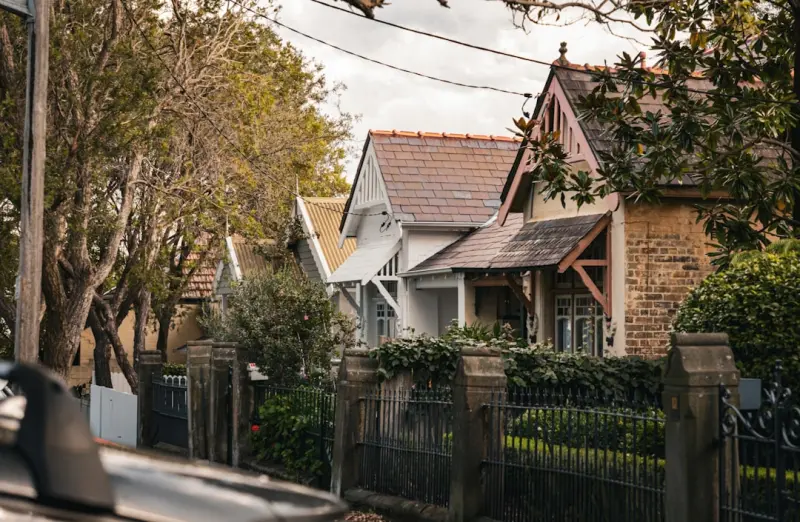
When I first stepped into a century‑old home, the scent of aged timber and the whisper of original plaster told a story that modern builds often forget. Restoration isn’t just about fixing what’s broken; it’s about honoring that narrative while weaving in the comforts our lives demand today. In a market flooded with “smart” upgrades, the real challenge—and joy—lies in balancing authenticity with performance.
A Layered Approach: From Structure to Soul
Most homeowners tackle restoration with a single‑focus mindset: “Let’s replace the roof” or “Time for new flooring.” While those projects are essential, they ignore the interconnected layers that keep a house alive. I like to think of a home as a three‑tiered cake:
- Foundation & Structural Integrity – the bedrock that carries every load.
- Envelope & Weather Barrier – walls, windows, and roofing that protect against the elements.
- Interior & Finishes – the aesthetic and functional touches that give a house its personality.
Addressing each tier in a logical sequence prevents costly re‑work and ensures that upgrades in one area reinforce, rather than undermine, the others.
Preserving Character While Boosting Performance
One of my favorite paradoxes is that the most treasured historic details—hand‑crafted plaster, original hardwood, reclaimed brick—can also be the most vulnerable to modern stresses. The solution isn’t to strip them away, but to reinforce them with contemporary, low‑impact materials.
Take the walls, for example. Instead of defaulting to conventional drywall, consider eco‑friendly drywall solutions that combine recycled gypsum with plant‑based binders. These panels retain the smooth finish you expect while delivering a smaller carbon footprint and improved moisture regulation.
Materials That Bridge Past and Future
Here are a few material choices that respect historic aesthetics and meet today’s performance standards:
- Reclaimed Timber – salvaged beams can be structurally reinforced with hidden steel plates, allowing you to keep the original grain without compromising load capacity.
- Vapor‑Permeable Masonry – modern bricks and mortars that allow walls to “breathe,” reducing mold risk while maintaining the classic look of a solid exterior.
- Thermal‑Break Window Frames – retrofit original wood‑sash windows with interior‑mounted thermal breaks. You preserve the historic profile and gain up to 30% better insulation.
- Low‑VOC Paints & Finishes – these keep indoor air quality high, an especially important consideration for older homes that often lack modern ventilation.
Phased Planning to Minimize Disruption
Restoration projects can feel like a full‑scale construction site invading your daily routine. A phased plan breaks the work into digestible stages, each delivering a tangible improvement:
- Structural Audit & Reinforcement – Begin with a thorough inspection of beams, joists, and footings. If you need guidance, look into smart foundation strategies that blend sensor‑based monitoring with traditional reinforcement methods.
- Envelope Sealing – Address gaps, replace compromised flashing, and upgrade insulation. This stage delivers the biggest energy savings and prepares the interior for finishing work.
- Interior Revitalization – Tackle plaster repair, flooring restoration, and fixture upgrades. By now, the house is more stable and comfortable, making this stage less stressful.
- Smart Integration (Optional) – Add discreet climate controls, water‑leak sensors, or energy‑monitoring hubs. The key is to keep technology invisible so it doesn’t distract from the historic character.
Tech‑Enabled Inspection Without Overkill
While the blog has covered AI‑driven energy inspections and IoT‑enabled façades, there’s a middle ground for restorers who want data without a wall of dashboards. Handheld thermal cameras, moisture meters, and simple data loggers can pinpoint problem spots before you open a wall. The insight is enough to target interventions, and the tools are affordable enough to keep the project’s soul intact.
Budgeting for Value, Not Just Cost
Restoration budgets often balloon when owners chase “perfect authenticity.” My advice: prioritize upgrades that deliver long‑term value.
- Energy Envelope – Insulation, window upgrades, and sealing save money on utilities for years to come.
- Structural Longevity – Investing in foundation health prevents catastrophic failures later.
- Preservation of Unique Features – Original woodwork or decorative plaster adds resale value that generic finishes can’t match.
Allocate roughly 30% of the budget to structural work, 25% to the envelope, and the remaining 45% to interior finishes and optional tech. Adjust based on the age and condition of the property, but keep the ratios in mind to avoid “beauty‑only” spending.
Case Study: Revitalizing a 1920s Bungalow
Let me walk you through a recent project that embodied these principles.
- Initial Assessment – The bungalow’s foundation showed minor settlement, the roof leaked during heavy rain, and the original pine floors were scratched but structurally sound.
- Phase One – Foundations – We installed discreet steel‑reinforced piers and added a smart foundation monitoring kit that alerts the homeowner to any future movement.
- Phase Two – Envelope – The roof was replaced with reclaimed slate, and the attic was insulated using cellulose derived from recycled newspaper. We sealed all window frames and installed interior thermal breaks on the original double‑hung sashes.
- Phase Three – Interiors – The pine floors were sanded and refinished with a low‑VOC oil. For the walls, we chose eco‑friendly drywall behind restored plaster moldings, preserving the historic texture while adding modern fire resistance.
- Phase Four – Subtle Tech – A single humidity sensor was placed in the basement to guard against future water intrusion, and a programmable thermostat was installed behind a vintage wall clock to keep the aesthetic untouched.
The outcome? The homeowner reported a 27% reduction in heating costs, the structural integrity was verified by a third‑party engineer, and the home’s market appraisal jumped by 15% thanks to the careful preservation of original features.
Your First Steps Toward a Thoughtful Restoration
If you’re standing at the threshold of a restoration adventure, start with these simple actions:
- Document the Existing Condition – Take high‑resolution photos of every room, note any cracks, water stains, and unique details. This becomes your baseline for measuring success.
- Hire a Preservation‑Savvy Consultant – Look for professionals who understand both historic building codes and modern performance standards.
- Run a Basic Energy Audit – Use a handheld infrared camera to identify heat loss. This will highlight envelope weaknesses that need immediate attention.
- Set Priorities – Rank tasks into “must‑do” (structural, envelope) and “nice‑to‑do” (cosmetic, tech). This keeps the project manageable and budget‑friendly.
- Source Sustainable Materials Early – Order reclaimed lumber, recycled drywall, and low‑VOC finishes before construction begins to avoid delays.
Remember, restoration is a dialogue between past and present. By treating each layer of your home with respect and purpose, you’ll create a living space that tells a richer story for generations to come.

When it comes to the world of blogging and writing, Rose DesRochers is a name that stands out. Her passion for creating quality content and connecting with her audience has made her a trusted voice in the industry. Aside from her skills as a writer and blogger, Rose is also known for her compassionate nature.
Related Posts
Embracing Sustainable Home Restoration: A Path to Energy Efficiency and Environmental Responsibility
Learn how to create a sustainable home restoration project that prioritizes energy efficiency, eco-f... Read More
Reviving Vintage Windows: A Homeowner’s Guide to Authentic Restoration
Learn to assess, restore, and maintain vintage windows, blending heritage charm with modern efficien... Read More
The Art of Home Restoration: A Comprehensive Guide
Home restoration is a multifaceted process that involves reviving and rejuvenating a property to its... Read More
Top Posts
The Sustainable Carpet Cleaning Playbook: Tips, Tricks, and Green Solutions
Learn how to clean carpets sustainably with green products, DIY hacks, and professional tips that extend carpet life while safeguarding indoor air quality....Read More

Beyond Shovels: The Future of Snow Removal for Modern Facilities
Winter snow removal is evolving from a reactive chore into a strategic, technology‑driven operation. Learn how sensors, predictive analytics, autonomous machi...Read More

Adaptive Reuse: Unlocking Hidden Value in Commercial Renovations
Adaptive reuse transforms old factories and warehouses into modern, profitable workspaces. Learn data‑driven strategies, sustainability tactics, and human‑c...Read More
The Evolution of Garage Doors: A Comprehensive Guide to Modern Solutions
Garage doors have undergone significant transformations over the years. Learn about the evolution of garage doors, from traditional wooden doors to modern, high...Read More
0 Comments
Post Comment
You will need to Login or Register to comment on this post!