
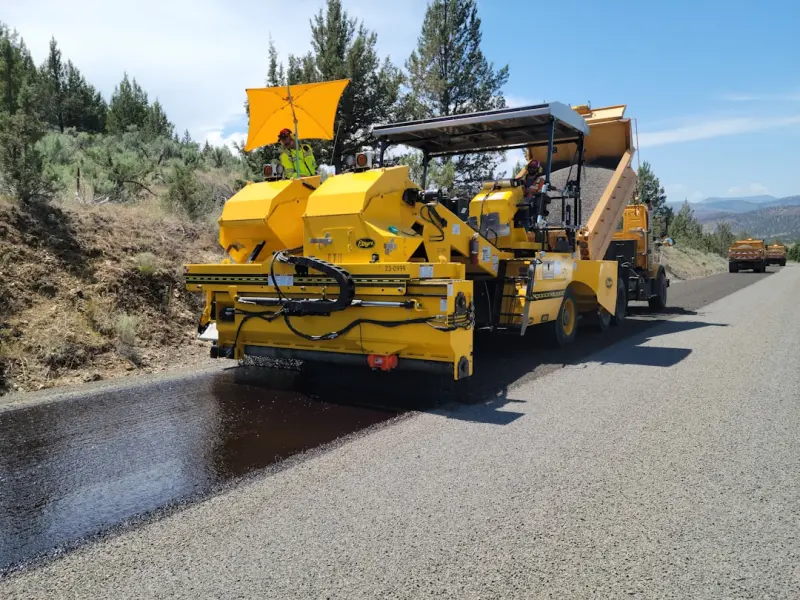
Why Roads That Heal Themselves Are No Longer Science Fiction
Imagine driving across a highway that repairs cracks before they become potholes, or a city street that reforms after a heavy storm without a crew of maintenance trucks. The concept of self‑healing asphalt has been bubbling in research labs for years, but recent breakthroughs are moving it from the lab bench to the construction site. In this post I’ll walk you through the chemistry, the economics, and the real‑world pilots that are turning our static pavement into a dynamic, low‑maintenance asset.
The Chemistry Behind the Magic
At its core, self‑healing asphalt relies on two complementary strategies:
- Microcapsules filled with rejuvenating agents that burst when the surrounding binder cracks, releasing a fluid that re‑bonds the aggregate.
- Polymer‑based binders that can re‑crosslink when exposed to heat or sunlight, essentially “melting” the damage back together.
Both approaches mimic biological healing: a trigger (damage), a delivery system (capsules or polymers), and a repair material (asphalt rejuvenator). Recent formulations use bio‑based oils derived from waste cooking oil, aligning the technology with circular economy principles while keeping the carbon footprint low.
From Lab Bench to Pavement: Recent Pilots
Several municipalities have already tested these materials on real roads. In one European trial, a 2‑kilometer stretch of highway received a polymer‑enhanced binder that can flow at temperatures as low as 30 °C. Within weeks of a minor crash that left a shallow crack, the surface showed visible closure, eliminating the need for a traditional patch.
Another pilot in the Pacific Northwest paired microcapsules with a standard hot‑mix design. After a series of freeze‑thaw cycles, the road exhibited 30 % fewer potholes compared to a control section. The cost differential was offset within two years thanks to reduced labor and equipment wear.
Economic Advantages That Matter to Facility Managers
Maintenance budgets are a pain point for any facilities team. According to the property maintenance playbook, reactive repairs can consume up to 40 % of a building’s operating budget. Self‑healing pavement offers a clear upside:
- Extended service life: Traditional asphalt lasts 12–15 years; self‑healing mixes can push that to 20 years.
- Reduced traffic disruptions: Fewer lane closures mean less lost productivity for nearby businesses.
- Lower lifecycle cost: Even with a modest 5–7 % premium on material cost, the total cost of ownership drops by 15–20 % over the pavement’s lifespan.
When you add the intangible benefits—improved rider experience, smoother rides for logistics fleets, and a greener public image—the ROI becomes compelling.
Environmental Impact: Less Waste, More Green
Every pothole patched is a piece of asphalt that ends up in a landfill. By allowing the pavement to self‑repair, we keep that material in place, reducing both waste and the demand for virgin aggregates. Moreover, many of the rejuvenating agents are derived from recycled plastics or bio‑oil, which dovetails nicely with the circular paving innovations already gaining traction.
There’s also a hidden climate benefit. A smoother surface reduces rolling resistance, which can lower vehicle fuel consumption by up to 0.5 %. Over a busy arterial road, that translates into thousands of gallons of gasoline saved annually.
Integration With Smart City Infrastructure
Self‑healing pavement isn’t an isolated technology; it can be part of a broader smart streetscape. Sensors embedded in the asphalt—think sensor‑embedded road technologies—can monitor temperature, stress, and moisture levels in real time. When the data shows a crack forming, the system can alert maintenance crews, but the pavement may have already begun its own repair process.
Such integration opens the door to predictive maintenance algorithms that factor in both the material’s healing capability and external stressors, further trimming costs and downtime.
Challenges Still on the Road
While the promise is huge, several hurdles remain:
- Scalability of production: Manufacturing microcapsules at the scale required for national highways is still an emerging supply chain.
- Performance in extreme climates: In very cold regions, the polymer binders may become too stiff to flow, reducing healing efficiency.
- Regulatory acceptance: Many jurisdictions still require extensive testing before approving new pavement mixtures.
Addressing these challenges will require collaboration among material scientists, contractors, and policymakers. Pilot programs that share data openly can accelerate standardization.
Designing for the Future: What Should Specifiers Look For?
If you’re drafting a specification for a new road project, keep these criteria in mind:
- Healing trigger: Confirm whether the mix uses temperature‑activated polymers or stress‑activated microcapsules, and choose based on your climate.
- Rejuvenator source: Opt for bio‑based or recycled‑material rejuvenators to maximize sustainability credits.
- Compatibility with existing equipment: Many self‑healing mixes can be placed with standard hot‑mix plants, but verify the temperature window.
- Performance guarantees: Request lab test data showing crack closure rates under simulated traffic loads.
Case Study: A Mid‑Size City’s Journey to Self‑Healing Streets
Let’s walk through a hypothetical (yet realistic) example. A mid‑size city with a budget of $30 million earmarked for road resurfacing decided to allocate 10 % of that to a self‑healing pilot. The project covered 5 km of arterial road with a polymer‑enhanced binder. Over a three‑year monitoring period, the city recorded:
- 45 % fewer pothole complaints.
- $1.2 million saved in labor and equipment costs.
- Recognition from a regional sustainability council for innovative infrastructure.
The success spurred the city council to expand the program citywide, with a projected savings of $10 million over the next decade.
Looking Ahead: The Road to Fully Autonomous Pavement Networks
Self‑healing is just the first layer of a multi‑tiered vision for “living” pavement. Future iterations could incorporate:
- Embedded energy harvesters: Converting the mechanical stress of passing vehicles into electricity.
- Dynamic friction surfaces: Adjusting grip based on weather conditions.
- Self‑cleaning topcoats: Repelling oil and debris to maintain surface integrity.
When these capabilities converge, we’ll have roads that not only fix themselves but also power sensors, communicate with autonomous vehicles, and adapt to environmental changes in real time. The implications for logistics, urban planning, and even public safety are profound.
Getting Started: Practical Steps for Early Adopters
If you’re intrigued and want to be among the first to roll out self‑healing pavement, follow this roadmap:
- Partner with a research university or material supplier: They can provide pilot‑grade mixes and performance data.
- Identify a low‑risk segment: Choose a road with moderate traffic and a history of recurring potholes.
- Set measurable KPIs: Track crack closure rate, maintenance cost, and driver satisfaction.
- Document and share results: Publish findings to accelerate industry adoption and influence standards bodies.
Remember, the goal isn’t just a novel material; it’s a shift from “fix‑when‑broken” to “maintain‑by‑design.”
Conclusion: A Road Worth Traveling
Self‑healing asphalt isn’t a silver bullet, but it’s a powerful tool that can transform how we think about pavement lifespan, cost, and environmental impact. By embracing this technology now, forward‑thinking municipalities and private owners can lock in long‑term savings, reduce carbon emissions, and pave the way—literally—for smarter, more resilient infrastructure.

Paul Gray is a dynamic blogger based in Brampton, where he shares his life with his amazing wife, Sarah. Known for his engaging writing style and relatable insights, Paul has carved out a niche in the blogging world that resonates with readers from all walks of life. When he's not crafting captivating posts, you can find him savoring a cold beer or indulging in the latest blockbuster movie. With a friendly demeanor and a passion for storytelling, Paul brings a unique perspective to his work, making him not just a blogger, but a voice for those who appreciate the simple joys of life.
Related Posts
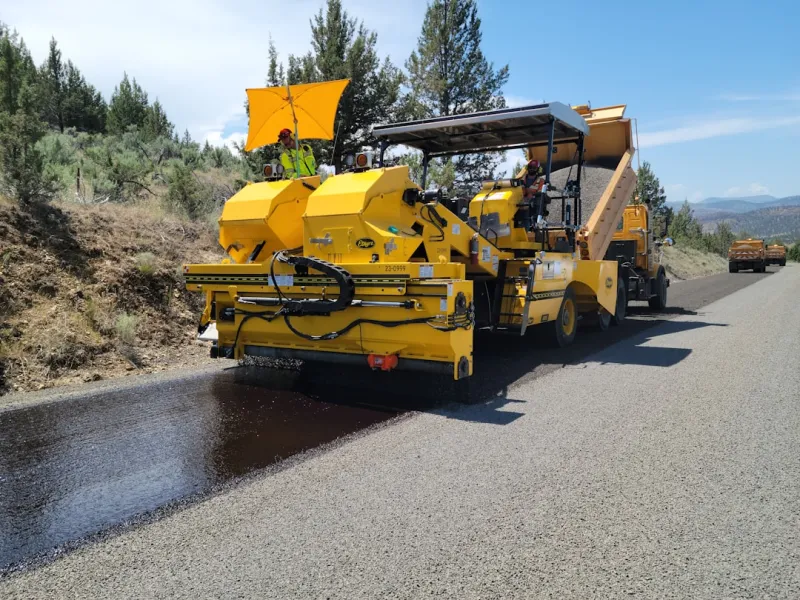
The Future of Paving: How Sustainable Solutions Are Revolutionizing the Industry
The paving industry is undergoing a significant transformation, with sustainable solutions becoming ... Read More
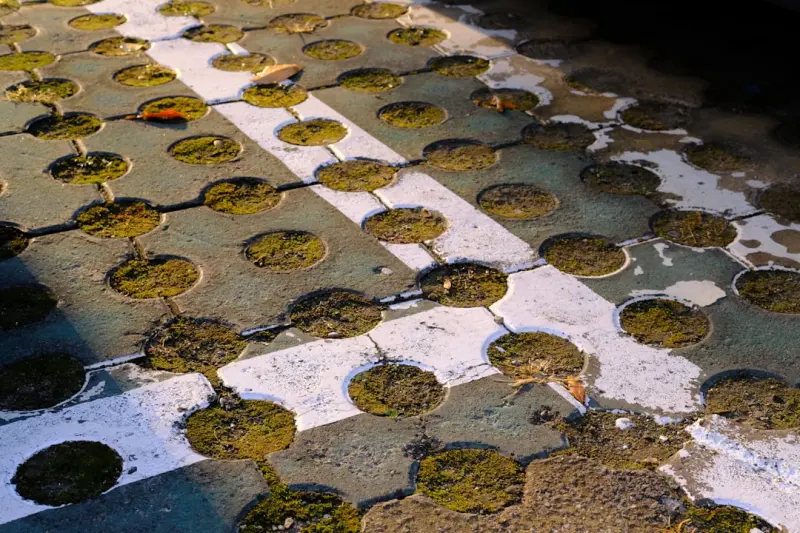
Sustainable Permeable Pavement: A Practical Guide for Resilient Sites
Permeable paving is more than a trend; it’s a climate‑smart solution that reduces storm‑water ... Read More

Paving the Way: How Modern Surfaces Transform Outdoor Living
Explore fresh paving trends that combine eco‑friendly materials, smart tech, and artistic patterns... Read More
Top Posts

The Intersection of Lawn Care and Sustainable Living
Learn how to create a sustainable lawn care plan that promotes soil health, conserves water, and minimizes waste, and discover the benefits of sustainable lawn ...Read More

Spotting Hidden Home Issues Before They Cost a Fortune
Discover practical ways to spot hidden problems in your home early, avoid expensive fixes, and maintain a safe, efficient living space....Read More

The Importance of Sustainable Gutter Systems
Sustainable gutter systems are crucial for maintaining your home's integrity and sustainability. Learn about eco-friendly gutter materials, benefits, and instal...Read More

Sunroom Strategies for the Modern Hybrid Workplace
A deep dive into using sunrooms as flexible, health‑focused work zones that enhance productivity and align with sustainable building practices....Read More
0 Comments
Post Comment
You will need to Login or Register to comment on this post!