
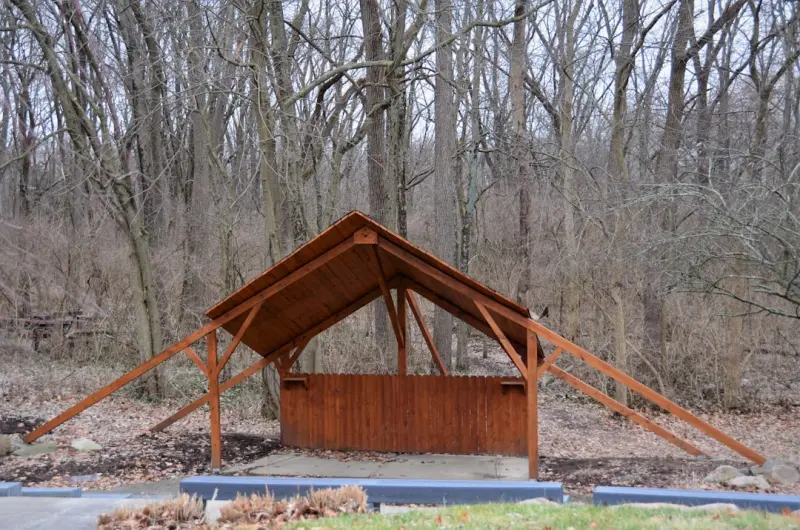
Why Sheds and Gazebos Are the Next Frontier for Agile Workspaces
When the conversation turns to flexible office solutions, the first thing that comes to mind is usually a coworking hub in a downtown loft or a modular wall system that can be re‑configured at will. What many leaders overlook is the untapped potential of the humble shed or gazebo. These structures, traditionally seen as garden accessories, are uniquely positioned to become low‑cost, high‑impact “innovation pods” that sit just outside the main building, offering a blend of privacy, fresh air, and brand personality.
From Backyard Storage to Brand‑Centric Innovation Pods
At first glance, a wooden shed may look like a place to stash tools, while a metal gazebo feels more like a shade‑over for weekend barbecues. Yet both can be re‑imagined as purpose‑built environments where teams can brainstorm, prototype, or hold quick stand‑up meetings without the distractions of a bustling open‑plan office. The key is to treat the exterior structure as an extension of your corporate culture—a space that reflects the same values you champion inside the walls.
Designing for Focus: The Psychology of Outdoor Workspaces
Research shows that a change of scenery can dramatically improve creative output. The subtle shift from fluorescent lighting to natural daylight, the gentle rustle of leaves, and the ambient sounds of a garden all contribute to a mental reset. By designing a shed or gazebo with acoustic panels, adjustable shading, and ergonomic furniture, you can create a micro‑environment that maximizes focus while still letting the outside world inspire.
One practical tip: incorporate a white‑noise diffuser that blends the sound of a gentle breeze with a low hum of conversation. This mimics the “third place” feel—neither home nor office—where ideas often flow most freely.
Integrating Smart Technology Without Overcomplicating
Technology can make these outdoor pods truly functional without turning them into a high‑maintenance lab. A simple solar‑powered LED lighting system, coupled with a Bluetooth‑enabled speaker, allows you to set the mood with a single tap on your phone. Sensors that monitor temperature and humidity can trigger automated ventilation, ensuring the space stays comfortable year‑round.
For teams that need to stay connected, a discreet Wi‑Fi extender mounted under the eave can boost signal strength, while a rugged, weather‑sealed charging station keeps laptops and tablets powered. These modest upgrades keep the structure low‑tech enough to stay affordable, yet high‑tech enough to meet modern work demands.
Environmental Benefits: Turning Green Spaces Into Green Assets
Choosing sustainably sourced timber or recycled metal for your shed or gazebo not only reduces your carbon footprint but also sends a clear message to employees and visitors about your commitment to the planet. Pair the structure with a living roof or vertical garden, and you have a self‑regulating micro‑ecosystem that improves insulation, filters rainwater, and creates a pleasant visual backdrop for brainstorming sessions.
When you align the pod’s construction with your broader sustainability goals, you can even qualify for green building credits, turning what might have been a simple backyard addition into a strategic sustainability win.
Cost‑Effective ROI: The Business Case for Outdoor Pods
From a financial perspective, a well‑designed shed or gazebo costs a fraction of a traditional conference room renovation. The initial outlay can be amortized over several years, especially when you factor in the productivity gains from reduced meeting fatigue and increased creative output. Moreover, because the pods are mobile, you can relocate them as your office footprint evolves—an advantage that static interior spaces can’t match.
Consider the following breakdown: a mid‑size wooden shed equipped with basic tech upgrades typically runs between $3,000 and $5,000. Add a high‑end gazebo with a retractable canopy and solar lighting, and you’re looking at $8,000‑$12,000. Compared to the $30,000‑$50,000 price tag of a conventional meeting room makeover, the savings are substantial. When you factor in the intangible benefits—employee morale, brand differentiation, and environmental stewardship—the ROI becomes even more compelling.
Case Study: A Tech Startup’s “Innovation Oasis”
One fast‑growing software firm transformed a pair of repurposed garden sheds into “Innovation Oases.” Each shed was painted in the company’s signature colors, fitted with white‑board walls, and equipped with a single 32‑inch touchscreen for quick prototyping. Teams reported a 27% increase in the number of ideas generated during sprint reviews, and the informal setting helped break down hierarchical barriers.
The success of this experiment sparked a larger conversation about how to scale the concept across the campus. The firm now plans to install a series of modular gazebos in its outdoor courtyard, each themed around a specific product line, allowing cross‑functional teams to converge in an environment that feels both purposeful and relaxed.
Practical Steps to Deploy Your Own Outdoor Innovation Pod
- Assess the Site: Choose a location that offers natural shade, good airflow, and proximity to power sources. A spot near a landscaped area can double as a relaxation zone.
- Define the Purpose: Is the pod for focused work, casual collaboration, or client showcases? The intended use will dictate furniture, tech, and aesthetic choices.
- Choose Materials Wisely: Opt for sustainably harvested wood, recycled metal, or composite panels that resist moisture and UV degradation.
- Integrate Smart Features: Install a solar‑powered lighting system, temperature sensors, and a Wi‑Fi extender. Keep the tech simple and resilient.
- Brand It: Use your corporate colors, logos, or mission statements on the exterior and interior. A branded gazebo can act as a visual beacon for visitors.
- Iterate and Gather Feedback: After the pod is live, collect employee input on comfort, usability, and inspiration. Tweak furniture, lighting, or tech based on real‑world usage.
Future‑Proofing: Making the Pod Adaptable for Changing Needs
The beauty of a shed or gazebo lies in its modular nature. As your organization evolves, you can easily reconfigure the interior layout, swap out tech components, or even combine two structures to create a larger collaborative space. By designing the pod with interchangeable panels and movable furniture, you future‑proof the investment, ensuring it remains relevant as work styles shift.
Connecting the Dots: How Outdoor Pods Complement Existing Initiatives
Many companies are already investing in wellness‑focused amenities, such as sunrooms or green roofs, to boost employee health and reduce energy costs. An outdoor innovation pod can serve as a bridge between these initiatives, offering a space where wellness and productivity intersect. For example, pairing a gazebo with a nearby sunroom creates a seamless flow from bright, airy work to relaxed, restorative breaks.
Similarly, the principles of interior design that listen can be applied outdoors, ensuring that acoustics, lighting, and layout respond to the occupants’ needs rather than dictating them.
Conclusion: Turning the Ordinary Into an Extraordinary Asset
In an era where every square foot of office real estate is scrutinized for value, sheds and gazebos present a low‑cost, high‑impact opportunity to expand your organization’s creative capacity. By thoughtfully designing, branding, and equipping these structures, you create a versatile asset that supports innovation, reinforces your sustainability narrative, and strengthens your employer brand—all while staying within a modest budget. The next time you walk past a garden shed, consider the untapped potential it holds for your team’s next breakthrough.

David MacKinnon is a dynamic freelance writer known for his captivating storytelling and keen insights into the world of technology. With a passion for exploring the intersection of innovation and everyday life, he crafts engaging narratives that not only inform but also inspire his readers.
Related Posts
Designing a Year‑Round Backyard Oasis: Sheds and Gazebos That Work With Nature
Tom Ferguson shows how to turn a simple shed or gazebo into a weather‑proof backyard hub, using su... Read More
Reimagining Sheds & Gazebos: Micro‑Spaces That Boost Creativity, Wellness, and Sustainability
Learn to convert a modest backyard shed or gazebo into a purposeful micro‑space for remote work, c... Read More
Reimagining Sheds and Gazebos as Creative Outdoor Outposts
Explore how to convert ordinary sheds and gazebos into multi‑purpose outdoor outposts for work, we... Read More
Top Posts

The Hidden Dangers of Dirty Ducts: A Sustainable Approach to Duct Cleaning
Dirty ducts can pose serious health risks and skyrocket your energy bills. Learn how sustainable duct cleaning practices can improve indoor air quality and redu...Read More

Breathing New Life into Historic Windows: A Restoration Guide
Discover a step‑by‑step approach to restoring historic windows, combining authentic craftsmanship with modern efficiency and discreet smart‑home integrati...Read More

Why Texture‑Driven Wallpaper Is the Quiet Powerhouse of Modern Offices
A deep dive into how tactile, performance‑focused wallpaper transforms offices by improving sound control, indoor air quality, employee wellbeing, and brand s...Read More

Breathing New Life into Vintage Pieces: A Restorer’s Journey
Explore the art and economics of furniture restoration through a seasoned restorer’s perspective, learning how to assess, repair, finish, and preserve vintage...Read More
0 Comments
Post Comment
You will need to Login or Register to comment on this post!