

Why Your Garage Door Is the Underrated MVP of Modern Buildings
When we talk about smart buildings, the conversation usually orbits around HVAC, lighting, and the ever‑popular “energy‑monitoring dashboard.” Yet, tucked away on the side of most commercial and residential structures is a silent workhorse that’s finally stepping into the spotlight: the garage door. No longer just a metal barrier, today’s garage door is evolving into a data‑rich, security‑centric, and sustainability‑driven asset. If you’ve ever wondered why the humble garage door is getting a makeover, pull up a chair. We’re about to dissect the forces reshaping this overlooked portal and how you can turn it into a strategic advantage for your property portfolio.
From Manual Lifts to AI‑Powered Gatekeepers
Remember the good old days of pulling a cord, listening to the clank, and hoping the spring would hold? Those memories belong in a museum. The new generation of garage doors is equipped with connected sensors, predictive algorithms, and cloud‑based control panels. This shift isn’t just about convenience—it’s about creating a feedback loop that informs building managers in real time.
- Predictive maintenance: Sensors monitor motor temperature, belt tension, and even the frequency of door cycles. When a component deviates from its normal wear pattern, the system flags it before a failure occurs.
- Security integration: Modern doors talk to your access control system. A single credential can now open a side gate, the main entry, and the garage, while logging every event for audit trails.
- Energy awareness: Insulated panels and smart sealing mechanisms reduce unwanted heat exchange, turning the garage door into a passive energy shield.
All of these capabilities converge on a single principle: the garage door is becoming a data endpoint, not just a point of entry.
Data‑Driven Decision Making: Turning Door Events into Actionable Insights
Imagine you receive a notification that a specific garage door opened 30 times between midnight and 3 a.m. Is that a delivery truck, a rogue employee, or a security breach? With AI‑enhanced analytics, the platform correlates door usage with video feeds, badge reads, and even weather conditions to assign a confidence score to each event. The result? Facility managers can prioritize investigations without sifting through endless logs.
For those who already have a proactive maintenance culture, integrating garage‑door data into your existing workflow is a natural next step. The proactive garage door maintenance approach lets you schedule service calls based on actual wear, not just a calendar reminder. This reduces downtime, extends equipment lifespan, and frees up service crews for higher‑value tasks.
Security Gets a Boost: The Convergence of Physical and Cyber Defenses
In the era of ransomware, a compromised garage door can be more than a nuisance—it can be a foothold for a broader breach. Modern systems employ end‑to‑end encryption, multi‑factor authentication, and regular firmware updates to stay ahead of threat actors. Moreover, the integration with building‑wide security platforms means that any anomalous door activity can automatically trigger lockdown protocols, alert security personnel, and even notify local law enforcement.
Beyond the technical safeguards, there’s a psychological edge. Tenants and employees feel safer knowing that the perimeter—garage included—is monitored by an intelligent system that reacts faster than any human guard could. This perception of safety can translate into higher occupancy rates and lower turnover, an often‑overlooked metric for property owners.
Sustainability Meets Curb Appeal
While the aesthetic of a garage door has traditionally been an afterthought, today’s market demands visual cohesion with the rest of the façade. Manufacturers are offering sleek, insulated panels that blend with modern architectural language while delivering superior R‑values. Pair that with energy‑focused door analytics, and you have a measurable way to credit the garage door for reduced heating and cooling loads.
In many climates, the garage is the most thermally vulnerable part of a building. A poorly sealed door can account for up to 15 % of total heat loss. Upgrading to a high‑performance model not only cuts energy bills but also contributes to LEED credits and other green certifications—a win‑win for sustainability reporting and tenant attraction.
The Commercial Edge: Multi‑Unit Properties and Smart Leasing
For multi‑family and mixed‑use developments, garage doors are no longer a one‑size‑fits‑all component. Smart lockers, package bays, and electric‑vehicle (EV) charging stations are increasingly being integrated into the garage space. By tying door access to lease agreements, property managers can automate billing for parking spots, enforce reserved space rules, and even schedule EV charging during off‑peak hours.
This level of granularity transforms the garage from a static amenity into a revenue‑generating ecosystem. Imagine a scenario where a vacant parking spot can be dynamically offered to a short‑term renter via a mobile app, complete with a one‑time door access code that expires after the rental period. The data captured—from duration of use to payment patterns—feeds back into your asset management dashboard, informing pricing strategies and space allocation.
Future‑Ready Retrofit Options
Not every building can afford a full‑scale door replacement. Fortunately, retrofit kits are emerging that add sensors, Wi‑Fi modules, and upgraded seal strips to existing doors. These kits can be installed in a single workday and immediately plug into your building’s IoT platform. The result is a cost‑effective pathway to achieve many of the benefits of a brand‑new smart door without the capital outlay.
When evaluating retrofit solutions, keep an eye on three criteria:
- Compatibility: Does the kit work with your current motor and control board?
- Scalability: Can you add more sensors or integrate with other building systems later?
- Security posture: Are firmware updates handled automatically?
Regulatory Landscape and Liability Considerations
As smart garage doors become more prevalent, regulations are catching up. Some jurisdictions now require that any door equipped with automated opening mechanisms meet specific fail‑safe standards, such as pressure‑sensitive edges and backup power supplies. Non‑compliance can result in hefty fines and, more importantly, increased liability in the event of an accident.
Staying ahead of these mandates is not just about ticking boxes—it’s about protecting your bottom line. Incorporating compliance checks into your circular design in doors strategy ensures that you’re selecting products designed for easy disassembly, recycling, and future upgrades, thereby reducing waste and future retrofit costs.
Implementation Roadmap: From Pilot to Full Rollout
Deploying smart garage doors at scale can be daunting, but a phased approach mitigates risk:
- Assessment: Conduct a site audit to identify high‑traffic doors, energy loss hotspots, and security gaps.
- Pilot: Install a connected door on a single entry point. Track usage, maintenance alerts, and user feedback for three months.
- Integration: Connect the pilot door to your existing building management system (BMS) and security platform.
- Analytics Review: Use the collected data to refine algorithms, adjust thresholds, and set up automated workflows.
- Scale: Roll out the solution to remaining doors, leveraging bulk purchasing discounts and standardized installation procedures.
- Continuous Improvement: Schedule quarterly reviews to incorporate software updates, new sensor capabilities, and emerging best practices.
This methodology not only safeguards against unexpected disruptions but also builds a compelling business case for stakeholders by demonstrating ROI early in the process.
The Bottom Line: Turning a Simple Door into a Strategic Asset
The garage door is undergoing a renaissance. From predictive maintenance and fortified security to energy savings and revenue generation, the modern garage door is a multifaceted tool that can elevate the performance of any property. By embracing connected technology, leveraging data analytics, and aligning with sustainability goals, you turn a once‑overlooked entry point into a competitive differentiator.
In a world where every square foot counts, and every data point can drive value, ignoring the garage door is no longer an option. It’s time to unlock its potential and let it work for you.

David MacKinnon is a dynamic freelance writer known for his captivating storytelling and keen insights into the world of technology. With a passion for exploring the intersection of innovation and everyday life, he crafts engaging narratives that not only inform but also inspire his readers.
Related Posts

The Hidden ROI of Upgrading Your Garage Door: Value, Safety, and Lifestyle Boosts
Learn why a garage door upgrade is more than curb appeal—it saves energy, improves security, and r... Read More
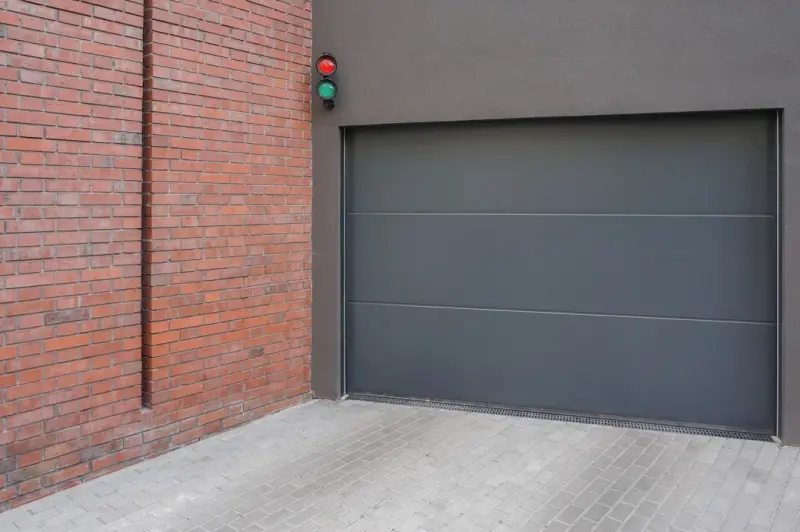
Transforming Your Garage Door into a Smart, Sustainable Gateway
A garage door is more than a functional entry—it can be a design centerpiece, an energy‑saving b... Read More
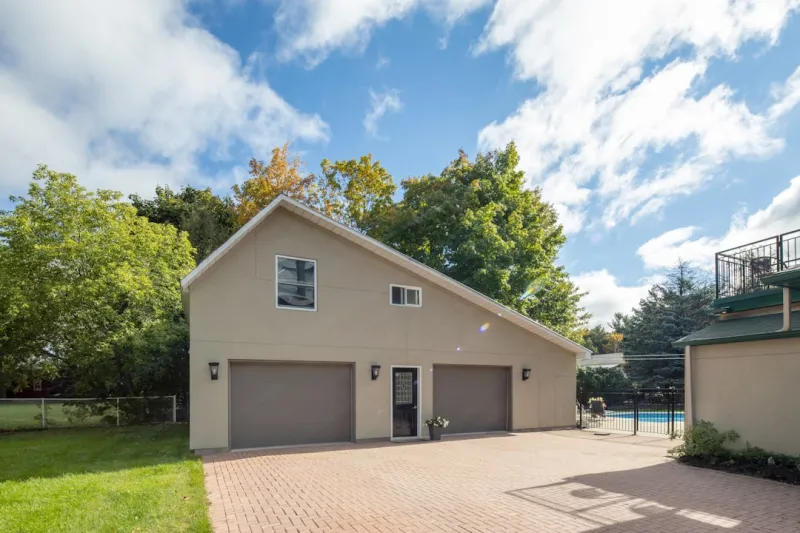
The Sustainable Garage Door Revolution: How Eco-Friendly Designs Are Changing the Game
Sustainable garage doors are revolutionizing home design and energy efficiency. Learn about the late... Read More
Top Posts

From Dark to Destination: Reimagining Your Basement as a Dynamic Lifestyle Hub
Turn your underused basement into a vibrant, multi‑purpose hub with strategic lighting, climate control, flexible zoning, and sustainable materials—guided b...Read More

When Pipes Talk: Turning Plumbing Data Into Business Intelligence
Explore how real‑time pipe monitoring and analytics turn everyday plumbing systems into powerful sources of business intelligence, delivering cost savings, pr...Read More

Transforming Your Home with Sustainable and Innovative Additions
Explore the world of sustainable home additions and learn how to create a dream home that meets your needs and exceeds your expectations. From solar energy to s...Read More

Revitalize Your Bathroom: The Hidden ROI of Professional Bathtub Refinishing
Learn why bathtub refinishing is a cost‑effective, sustainable upgrade that enhances aesthetics, increases resale value, and delivers long‑lasting durabilit...Read More
0 Comments
Post Comment
You will need to Login or Register to comment on this post!