
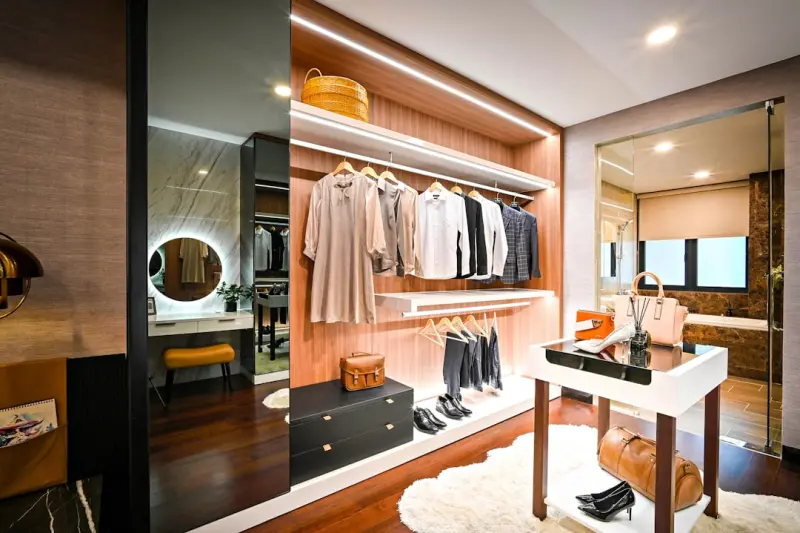
Reinventing the Closet: Data‑Driven Design for Smarter Storage
When the average homeowner opens a closet and is met with chaos, the impulse is often to buy another shelf or a new set of bins. That reaction solves nothing; it merely adds another layer to the disorder. What if the closet itself could become an intelligent system that learns, predicts, and adapts to how we use our clothes, accessories, and seasonal gear? In this post, I’ll walk you through the emerging principles that turn a simple storage space into a dynamic, data‑informed asset—without needing a full‑blown home automation overhaul.
Why Data Matters in Closet Design
Data isn’t just for factories and server farms. By capturing a few key metrics—frequency of garment use, temperature and humidity fluctuations, and even the weight of stored items—we can gain actionable insight into how a closet performs. For example, a heat‑sensitive sensor can alert you when humidity spikes, protecting delicate fabrics from mold. A simple RFID tag on a favorite blazer can log each time it’s taken out, letting you see if that piece truly belongs in your daily rotation or is better archived elsewhere.
Building a Low‑Cost Sensor Network
Contrary to popular belief, setting up a sensor network for a closet doesn’t require a Ph.D. in electronics. Off‑the‑shelf Bluetooth low‑energy (BLE) beacons cost under $10 each and can be tucked behind a shelf or inside a shoe box. Pair them with a free mobile app, and you’ll have a live feed of temperature, humidity, and motion. Over time, the app aggregates this data into visual dashboards, revealing patterns that would otherwise stay hidden in the back of the wardrobe.
From Data to Action: The Closet Optimization Loop
The magic happens when you close the feedback loop. Once the data is collected, it can inform three core actions:
- Re‑allocation: Move items that rarely appear in the “in‑use” log to higher shelves or off‑season containers.
- Environmental Control: Deploy a compact dehumidifier or a smart vent when humidity trends upward.
- Inventory Management: Set reminders to donate or repurpose clothing that hasn’t been worn in a predefined period.
These steps turn a passive storage area into a proactive manager of your personal inventory.
Integrating Visual Planning Tools
While sensors give you the numbers, visual tools translate those numbers into layout decisions. Modern interior‑design software now includes augmented reality utilities that let you overlay virtual shelves onto your real‑world closet with a smartphone. Drag‑and‑drop modules appear in real time, showing you exactly how much space a set of hanging rods or a pull‑out shoe rack will occupy before you drill a single hole.
Choosing Sustainable Materials Without Sacrificing Style
Eco‑conscious homeowners often wonder whether sustainable materials can meet the aesthetic and functional demands of a high‑traffic closet. The answer is a resounding yes. Bamboo plywood, reclaimed pine, and recycled metal brackets offer durability while reducing environmental impact. Pair these with low‑VOC finishes to keep indoor air quality pristine—especially important when you’re storing fabrics that breathe.
Modular Flexibility for Changing Needs
Life is fluid: a growing family, a new job that requires a formal wardrobe, or a seasonal shift in hobbies can all demand different storage configurations. Modular components—adjustable rods, interchangeable bins, and sliding panels—allow you to reconfigure the closet in minutes. Because the underlying data continues to track usage, you’ll always know which modules are under‑utilized and can be swapped out for something more appropriate.
Leveraging Cloud Analytics for the Whole Home
Imagine extending the closet’s intelligence to the rest of your home’s storage spaces. By syncing sensor data to a cloud platform, you can compare usage trends across closets, garages, and utility rooms. A unified dashboard could highlight, for instance, that winter coats are occupying 30% more volume in the entryway than in the bedroom closet, prompting you to redistribute the load and free up space where it’s needed most.
Privacy Considerations and Data Ownership
Collecting data about personal items can feel intrusive, but you remain the sole owner of the information. Opt for solutions that store data locally on your device or in an encrypted personal cloud. Avoid platforms that sell usage patterns to third parties. Transparency in how data is handled is as crucial as the insights you gain from it.
Case Study: Turning a Closet Into a “Smart Wardrobe”
One of our pilot participants, a freelance photographer, installed a modest sensor suite in her walk‑in closet. Over three months, the system logged:
- Average humidity: 58% (spiked to 68% during rainy weeks)
- Top‑used items: 12 pieces, comprising 18% of total garments
- Under‑used items: 45 pieces, untouched for over six months
Armed with this data, she moved the seldom‑worn items to a secondary storage unit, installed a small dehumidifier that automatically triggered when humidity crossed 65%, and set a calendar reminder to review the under‑used pile every quarter. The result? A 25% reduction in closet clutter, improved fabric longevity, and a noticeable boost in daily dressing efficiency.
Future‑Proofing Your Closet
While the current wave focuses on sensors and modular hardware, the next frontier lies in AI‑driven recommendations. Imagine an algorithm that suggests outfit pairings based on weather forecasts, calendar events, and your personal style history. Though still in early development, prototypes already exist that can pull data from your closet inventory and propose a “look of the day” with just a few taps.
Practical Steps to Get Started
If the idea of a data‑enhanced closet excites you, here’s a straightforward roadmap:
- Audit the Space: Measure dimensions, note existing shelving, and photograph the current layout.
- Select Sensors: Purchase BLE temperature/humidity beacons and RFID tags for high‑value items.
- Install and Pair: Place sensors discreetly, sync them with a mobile app, and let the system calibrate for a week.
- Visualize Options: Use an augmented reality app to experiment with new configurations without physical changes.
- Implement Modular Units: Add adjustable rods, pull‑out drawers, and stackable bins made from sustainable materials.
- Review Data: After a month, analyze the usage reports and make targeted adjustments.
- Iterate: Continue the cycle, incorporating seasonal changes and lifestyle shifts.
Following these steps transforms a stagnant closet into a living, breathing system that works for you—not the other way around.
Conclusion: The Closet as an Asset, Not a Afterthought
Too often, closets are treated as afterthoughts—an after‑the‑fact addition to the home that gets patched up with generic shelves. By infusing them with data, modularity, and sustainable design, we elevate the closet to a true asset that supports daily routines, protects valuable garments, and adapts as life evolves. The tools are affordable, the technology is accessible, and the payoff is tangible: less clutter, better preservation of textiles, and a clearer view of what you actually own. Start small, stay curious, and watch your closet become the smartest room in the house.

William Roy is a freelance writer originally from Montreal who moved to Ottawa with his wife of 50 years to be closer to their grandkids. Alongside his writing, William has a passion for fishing.
Related Posts

Revolutionizing Closet Organization: The Sustainable Approach
Discover the benefits of sustainable closet design and learn practical tips on how to transform your... Read More

Smart Closet Design: Adaptive, Sustainable, and Data‑Driven Storage Solutions
A personal journey from chaotic wardrobes to a sleek, adaptive closet that uses modular components, ... Read More

Reimagining the Closet: Smart, Sustainable Solutions for Modern Living
Explore innovative closet strategies that blend modular systems, smart tech, and sustainable materia... Read More
Top Posts

Turning Home Inspection Findings into a Proactive Maintenance Roadmap
A home inspection is more than a one‑time checklist; it’s the foundation for a proactive maintenance strategy. Discover how to prioritize findings, integrat...Read More
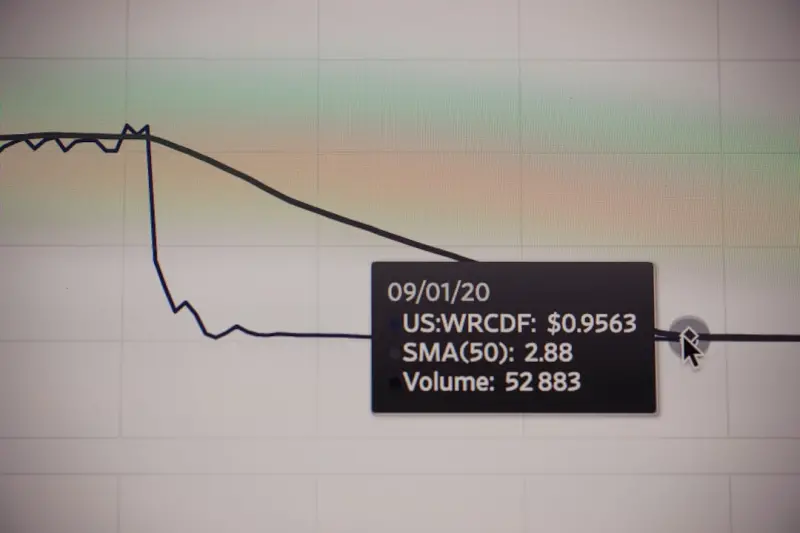
The Hidden Cost of Ignoring Mold: A Data‑Driven Playbook for Facility Managers
Treat mold removal as a core operational metric with continuous moisture monitoring, data analytics, and intelligent barriers, turning a hidden expense into a m...Read More

The Sunroom Revolution: From Seasonal Retreat to Hybrid Work‑Wellness Hub
A modern sunroom can be more than a bright nook—it can serve as a hybrid work‑wellness hub. Learn how to design, equip, and maintain the space for productiv...Read More
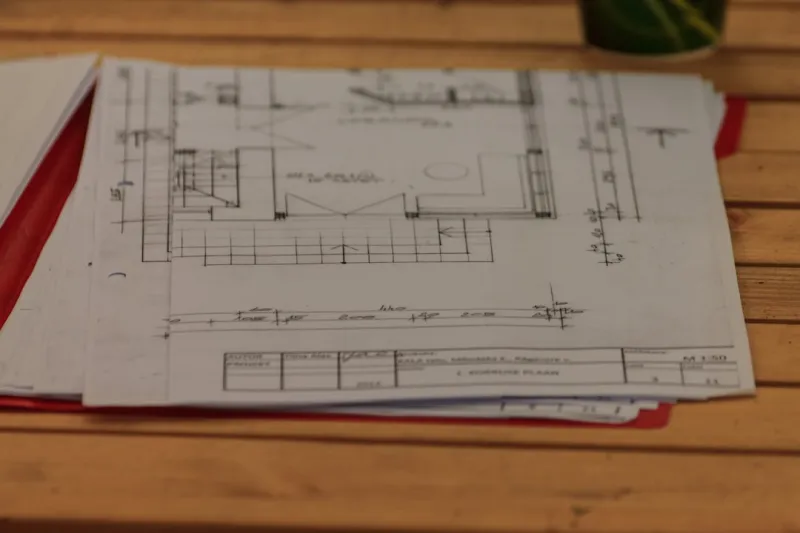
Design‑Build Mastery: Building Sustainable Homes with a Unified Vision
Explore the power of design‑build for sustainable homes, from integrated insulation and energy audits to green plastering and smart water management....Read More
0 Comments
Post Comment
You will need to Login or Register to comment on this post!