
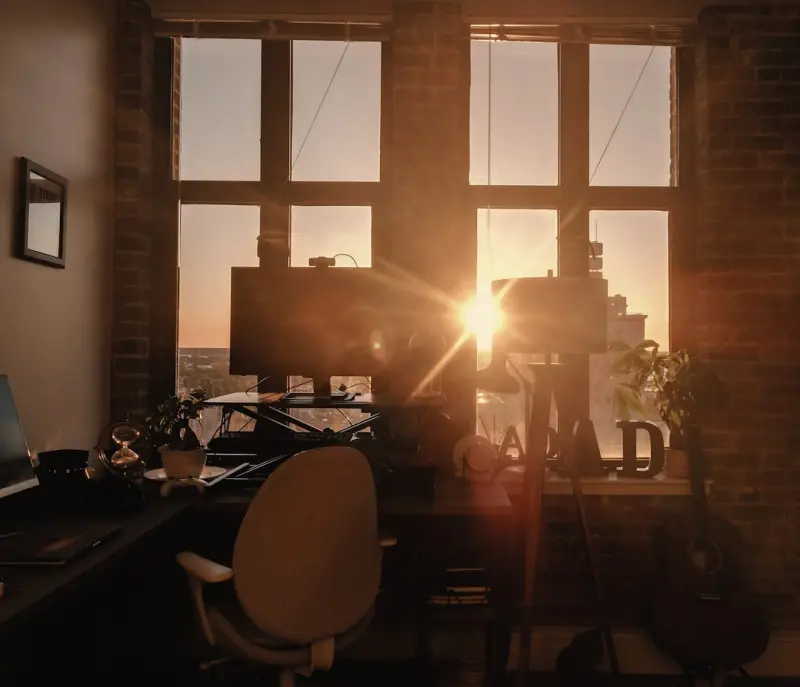
Why Sunrooms Are the Unsung Heroes of Modern Workplace Wellness
When I first walked into a glass‑walled sunroom on a client’s campus, I expected a nice place to sip coffee. What I got instead was a living laboratory for employee health, energy savings, and brand storytelling—all wrapped in a single, light‑filled enclosure. In today’s hyper‑connected, remote‑first world, sunrooms have quietly graduated from “nice‑to‑have” to “must‑have” for organizations that want to future‑proof their work environments.
The Science of Sunlight and Human Performance
It’s not just marketing fluff: multiple peer‑reviewed studies confirm that exposure to natural light boosts serotonin, stabilizes circadian rhythms, and improves cognitive function. A Journal of Environmental Psychology meta‑analysis found a 12% increase in task accuracy for workers who spent at least 30 minutes per day in a sunlit space. In other words, a well‑designed sunroom can be a low‑cost catalyst for higher quality output.
But the benefits extend beyond the obvious “feel‑good” factor. When daylight aligns with an employee’s internal clock, melatonin production normalizes, leading to better sleep quality. Better sleep translates to lower absenteeism, reduced health‑care costs, and a measurable lift in overall productivity. The ROI on a sunroom, therefore, is not just measured in square footage but in the incremental performance gains of the people who occupy it.
Designing Sunrooms for Health, Not Just Aesthetics
Many firms treat sunrooms as decorative add‑ons, sprinkling in a few potted plants and calling it a day. To unlock their full potential, we need to think like architects of human experience:
- Glare Management: Direct sun can be blinding and cause eye strain. Integrating adaptive window treatments that automatically tint based on solar intensity keeps the light soft and consistent.
- Thermal Regulation: Sunrooms can become heat traps in summer or cold boxes in winter. Pairing passive solar design with smart HVAC zoning lets the space stay comfortable year‑round without inflating utility bills.
- Acoustic Comfort: Glass surfaces reflect sound, creating echo chambers. Adding acoustic panels or strategically placed soft furnishings can turn a noisy atrium into a quiet collaboration hub.
- Biophilic Elements: Real foliage, living walls, and natural textures amplify the restorative effect of daylight. The key is to choose low‑maintenance plants that thrive in bright, filtered light.
When you design with these variables in mind, the sunroom becomes a functional extension of the office—not a decorative afterthought.
Smart Integration: From Sensors to digital twins
Modern building management systems (BMS) can treat a sunroom as a data‑rich node. By installing light sensors, temperature probes, and occupancy detectors, you create a real‑time feedback loop that informs HVAC, shading, and even cleaning schedules. A digital twin of the space can simulate how different weather patterns affect energy consumption, allowing facilities managers to fine‑tune performance before the sun even rises.
Imagine a scenario where the BMS detects an unexpected spike in temperature on a particularly sunny afternoon. The system automatically lowers the tint on the adaptive shades, reduces cooling output, and sends a notification to the facilities team. The result? Consistent comfort, lower energy use, and a tangible demonstration of data‑driven building stewardship.
From Employee Lounge to Revenue Generator
Sunrooms aren’t just for internal use. They can become powerful client‑facing assets. A well‑curated sunroom can serve as:
- Showroom Space: Demonstrate products in a setting that highlights natural light and sustainability—perfect for firms in design, architecture, or renewable energy.
- Event Venue: Host webinars, workshops, or small‑scale networking events in a space that feels open and inviting.
- Brand Storytelling Canvas: Use the sunroom’s glass façade as a backdrop for visual storytelling, reinforcing your brand’s commitment to transparency and well‑being.
By positioning the sunroom as a multi‑purpose environment, you extract additional revenue streams and elevate your corporate narrative.
Maintenance Made Simple with predictive maintenance
One of the lingering myths about sunrooms is that they’re high‑maintenance, especially when it comes to glazing and seals. The reality is that with the right approach, upkeep can be almost invisible. Predictive maintenance platforms can monitor seal integrity, glass fatigue, and even condensation levels. By analyzing sensor data, the system predicts when a seal might fail, prompting a pre‑emptive service call—eliminating surprise leaks and costly emergency repairs.
Implementing a predictive maintenance routine not only protects the physical asset but also safeguards the health of occupants, ensuring the space remains a reliable source of daylight without compromising indoor air quality.
Cost‑Benefit Analysis: The Bottom Line
Let’s break down the numbers for a mid‑size office considering a 500‑sq‑ft sunroom:
| Item | Estimated Cost | Annual Savings / Benefit |
|---|---|---|
| Construction & glazing | $120,000 | — |
| Smart shading & sensors | $15,000 | $8,000 (energy reduction) |
| Biophilic landscaping | $5,000 | — |
| Predictive maintenance subscription | $2,000/year | $4,000 (avoided repairs) |
| Productivity uplift (5% increase for 30 employees) | — | $45,000 |
| Total ROI (Year 1) | — | $33,000 |
Even with conservative estimates, the payback period hovers around three to four years—a compelling case for any CFO looking to balance employee experience with fiscal responsibility.
Implementation Checklist
- Define Objectives: Is your primary goal wellness, energy efficiency, brand activation, or a mix?
- Site Assessment: Evaluate orientation, shading potential, and structural load capacity.
- Choose Glazing: Low‑E, double‑pane glass with high visible light transmittance and low solar heat gain coefficient (SHGC).
- Integrate Smart Controls: Pair adaptive window treatments with a BMS and predictive maintenance platform.
- Plan Biophilic Elements: Select low‑maintenance plants suited for high‑light environments.
- Develop Usage Protocols: Schedule cleaning, sensor calibration, and performance reviews.
- Measure Impact: Track occupancy, energy use, and employee wellness metrics for continuous improvement.
Future‑Proofing the Sunroom
Looking ahead, the convergence of solar photovoltaics and glazing technology promises “energy‑generating sunrooms.” Transparent solar panels can replace traditional glass, feeding clean power back into the grid while still delivering ample daylight. Though still emerging, pilots are already showing 10‑15% of a building’s electricity demand can be met through such systems.
By staying attuned to these innovations, you can evolve your sunroom from a passive daylight source to an active energy producer—further aligning your workplace with sustainability goals and corporate ESG commitments.
Conclusion: Sunrooms as Strategic Human‑Centric Assets
The modern office is no longer a box of desks and fluorescent lights. It’s a dynamic ecosystem where employee health, brand perception, and operational efficiency intersect. Sunrooms, when designed with data, wellness, and technology in mind, become powerful levers that move all three needles simultaneously. If you’re still viewing a sunroom as a decorative afterthought, it’s time to rethink the narrative and let the sun illuminate both your workspace and your bottom line.

Craig Brett is a freelancer with a passion for the outdoors. His love for nature inspires his work, bringing authentic and engaging perspectives to projects related to outdoor activities, adventure, and environmental topics.
Related Posts
How to Convert Your Sunroom into a High‑Performance Home Office
Turn your sunroom into a bright, functional workspace. Discover lighting tricks, soundproofing, clim... Read More

How Sunrooms Can Supercharge Employee Well‑Being and Reduce Energy Costs
A sunroom isn’t just a bright extra room; it’s a strategic wellness hub that lowers energy use, ... Read More
The Sunroom Revolution: From Seasonal Retreat to Hybrid Work‑Wellness Hub
A modern sunroom can be more than a bright nook—it can serve as a hybrid work‑wellness hub. Lear... Read More
Top Posts

The Intersection of Foundation Repair and Sustainable Home Design
Learn how foundation repair and sustainable home design come together to create a more sustainable and eco-friendly home. Explore the benefits of sustainable ma...Read More

Reviving Vintage Windows: A Homeowner’s Guide to Authentic Restoration
Learn to assess, restore, and maintain vintage windows, blending heritage charm with modern efficiency for lasting home value....Read More

Crafting the Perfect Foundation: My Journey as a Construction Expert
A strong foundation is the backbone of any successful build. Learn from a seasoned construction expert on how to craft the perfect foundation, from site evaluat...Read More

The DIYer's Guide to Smarter Drywalling: From Prep to Perfect Finish
Learn how to choose the right drywall, master taping, add soundproofing, and finish with a perfect paint job. Practical tips from a seasoned DIYer to upgrade an...Read More
0 Comments
Post Comment
You will need to Login or Register to comment on this post!