
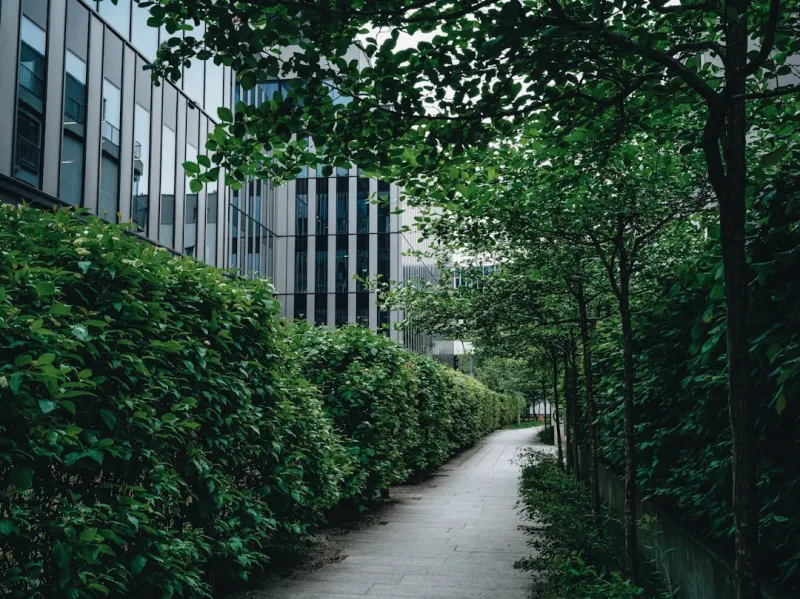
Embracing Sustainable Landscaping: A Path to Environmental Stewardship
As a homeowner, you take great pride in your outdoor space, and for good reason. A well-manicured lawn and beautifully landscaped yard not only enhance your home's curb appeal but also provide a tranquil retreat for you and your family to enjoy. However, traditional landscaping practices can have a significant impact on the environment, from water pollution to soil degradation. That's why it's essential to adopt sustainable landscaping practices that not only benefit the environment but also enhance your outdoor space. In this article, we'll explore the importance of sustainable landscaping and provide tips on how to create an eco-friendly outdoor oasis.
The Benefits of Sustainable Landscaping
Sustainable landscaping is more than just a buzzword; it's a critical approach to maintaining a healthy and thriving outdoor space. By adopting eco-friendly practices, you can significantly reduce your environmental footprint, conserve natural resources, and create a haven for local wildlife. Some of the key benefits of sustainable landscaping include:
- Water conservation: Sustainable landscaping practices help minimize water waste and reduce the demand on municipal water supplies.
- Soil preservation: Eco-friendly landscaping techniques promote soil health, reducing the need for fertilizers and pesticides.
- Biodiversity: Sustainable landscaping practices create habitats for local wildlife, supporting biodiversity and ecosystem health.
- Energy efficiency: Well-designed outdoor spaces can help reduce energy consumption by providing shade, blocking wind, and insulating your home.
Designing a Sustainable Outdoor Space
When designing a sustainable outdoor space, it's essential to consider the unique characteristics of your yard, including climate, soil type, and existing vegetation. A well-designed sustainable landscape should be functional, beautiful, and environmentally friendly. Here are some tips to get you started:
- Assess your yard: Take stock of your yard's conditions, including sunlight, soil type, and existing plants.
- Choose drought-tolerant plants: Select plants that are adapted to your local climate and require minimal watering.
- Use rainwater harvesting: Install a rainwater collection system to conserve water and reduce stormwater runoff.
- Incorporate native plants: Native plants are adapted to your local climate and provide habitat for local wildlife.
The Role of Sustainable Fencing
Fencing is an essential element of many outdoor spaces, providing privacy, security, and aesthetic appeal. However, traditional fencing materials can have a significant environmental impact. Sustainable fencing options, such as recycled plastic or sustainably sourced wood, offer a more eco-friendly alternative. When selecting a fencing material, consider the following factors:
- Durability: Choose a material that is durable and long-lasting, reducing the need for frequent replacements.
- Maintenance: Select a material that requires minimal maintenance, reducing the need for chemicals and other pollutants.
- Sourcing: Opt for materials that are sustainably sourced, reducing the environmental impact of your fencing.
The Importance of Sustainable Lawn Care Practices
Lawn care is an essential aspect of maintaining a healthy and thriving outdoor space. However, traditional lawn care practices can have a significant environmental impact, from chemical fertilizers to excessive watering. Sustainable lawn care practices, such as using organic fertilizers and maintaining a healthy soil ecosystem, offer a more eco-friendly alternative. Here are some tips for sustainable lawn care:
- Mow high: Maintain your lawn at a height of 3-4 inches to promote deep root growth and reduce weed growth.
- Water wisely: Water your lawn deeply but infrequently to encourage deep root growth and reduce evaporation.
- Use organic fertilizers: Opt for organic fertilizers that promote soil health and reduce the need for synthetic chemicals.
Breathing New Life into Your Outdoor Space
Breathing new life into your outdoor space doesn't have to break the bank or harm the environment. With a few simple changes, you can create a thriving and eco-friendly outdoor oasis. Consider incorporating awnings or other shading devices to reduce energy consumption and provide a comfortable outdoor living space.
The Future of Sustainable Landscaping
The future of sustainable landscaping is bright, with more homeowners and landscapers embracing eco-friendly practices. As we move forward, we can expect to see even more innovative solutions emerge, from green roofs to rainwater harvesting systems. By embracing sustainable landscaping practices, we can create a healthier, more sustainable future for ourselves and future generations.
Conclusion
Sustainable landscaping is more than just a trend; it's a critical approach to maintaining a healthy and thriving outdoor space. By adopting eco-friendly practices, you can significantly reduce your environmental footprint, conserve natural resources, and create a haven for local wildlife. Whether you're designing a new outdoor space or updating an existing one, consider incorporating sustainable landscaping practices into your plans. With a little creativity and planning, you can create a beautiful and sustainable outdoor oasis that benefits both you and the environment.

Tom Ferguson is a Canadian freelance writer with a passion for storytelling, current events, and thoughtful commentary. Drawing on years of writing experience, he shares engaging insights on a wide range of topics, bringing a uniquely Canadian perspective to his work.
Related Posts
Cultivating a Sensory Garden: A Personal Journey to Outdoor Wellness
A personal guide to building a sensory garden that balances beauty, edible harvests, wildlife, and s... Read More
Designing Climate‑Smart Landscapes: Turning Outdoor Spaces into Energy‑Saving Assets
Discover how integrating shade trees, rain gardens, smart irrigation, and biophilic design can trans... Read More

Creating a Low‑Maintenance Native Landscape That Thrives in Urban Spaces
Learn step‑by‑step how to turn an ordinary city yard into a resilient, low‑maintenance native ... Read More
Top Posts

The Hidden Power of Tiles: Merging Design, Tech, and Performance
Tiles are evolving from decorative surfaces into smart, sustainable platforms. This post explores sensor‑embedded tiles, acoustic enhancements, underfloor hea...Read More

Roofing Reinvented: From Passive Shield to Intelligent Energy Platform
A modern roof can do far more than keep the elements out. By adding sensors, adaptive membranes, solar panels, and drone‑based inspections, owners turn roofs ...Read More
Rethinking Roofs: From Passive Shield to Active Asset
This article reveals how modern roofing can evolve from a static cover into a data‑driven, climate‑smart, and modular platform that boosts sustainability, s...Read More

Mold as a System Symptom: Turning Detection Into Prevention
Mold is a symptom of hidden moisture issues. This post shows how to map moisture paths, use technology for early detection, choose resilient materials, and impl...Read More
0 Comments
Post Comment
You will need to Login or Register to comment on this post!