
From Clay to Carbon‑Smart: How Masonry Is Reinventing the Built Environment
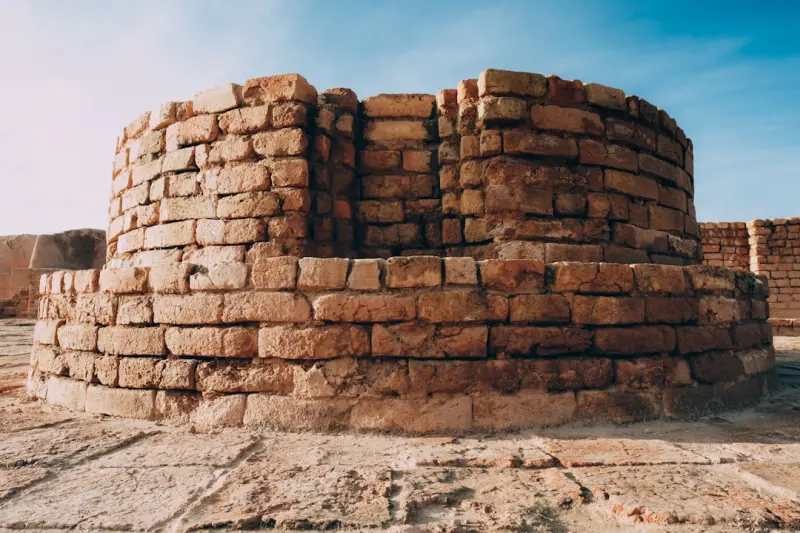
When I first stepped onto a historic brick wall in a downtown loft, I felt the weight of centuries – the slow‑burning heat of fired clay, the rhythmic pattern of mortar, the quiet resilience that only masonry can convey. Today, that same tactile language is speaking a new dialect: one that blends low‑carbon materials, embedded intelligence, and modular construction methods. In this post I’ll walk you through the three most compelling forces reshaping masonry right now, and why every forward‑thinking developer, architect, and facility manager should be listening.
1. Carbon‑Neutral Bricks and the Rise of Reclaimed Clay
Traditional brickmaking is notorious for its carbon intensity. The kilns that fire clay to 2,000°F demand huge amounts of fuel, and the extraction of raw earth can scar landscapes. Yet the industry is quietly undergoing a carbon‑neutral pivot, driven by two complementary trends:
- Reclaimed brick stockpiles. Across North America and Europe, demolition projects generate millions of bricks that end up in landfills. Companies are now sorting, cleaning, and re‑firing these salvaged units, preserving their historic patina while cutting the embodied carbon of new production by up to 70%.
- Alternative binders. Researchers are swapping Portland cement for geopolymer mortars made from fly ash, slag, or even calcined algae. These binders lock CO₂ within the matrix, turning the wall itself into a modest carbon sink.
The impact is more than environmental. Reclaimed bricks carry a story, a sense of place, that resonates with occupants seeking authenticity. When paired with low‑carbon mortars, the result is a wall that feels timeless yet aligns with modern sustainability mandates.
2. Smart Masonry: Embedding Sensors Without Sacrificing Aesthetics
Imagine a wall that not only bears load but also tells you when moisture is seeping in, when thermal bridges are forming, or when structural stress is approaching a threshold. This is no longer science‑fiction. By integrating ultra‑thin, wireless nanofiber sensors into the mortar during the lay‑up process, builders can create “smart masonry” that streams real‑time data to building management systems.
These sensors are designed to be invisible – they sit between the brick and mortar, protected from UV and physical wear. Their power comes from ambient energy harvesting (vibration, temperature differentials) so no batteries are needed. The data they provide feeds directly into observable electrical systems, allowing facilities teams to fine‑tune HVAC loads, anticipate maintenance, and even trigger automated sealing of cracks with robotic applicators.
Beyond performance monitoring, smart masonry opens doors to new tenant experiences. A boutique hotel could use wall temperature data to personalize heating in each room, while a historic museum could receive alerts before humidity threatens delicate artifacts.
3. Modular Masonry: Speed Meets Craftsmanship
Historically, masonry has been synonymous with painstaking, on‑site craftsmanship – a process that, while beautiful, often clashes with tight project timelines. The solution? Prefabricated, modular masonry panels that marry the tactile charm of brick with the efficiency of factory assembly.
These panels are produced in climate‑controlled factories where brick, insulation, and integrated services (electrical conduits, plumbing chases) are assembled in a single unit. Once on site, they are craned into place, dramatically reducing labor hours and exposure to weather delays. The concept dovetails perfectly with the principles outlined in Modular Momentum: Rethinking Design‑Build for Speed, Quality, and Sustainability, showing that the age‑old art of bricklaying can benefit from modern logistics.
Key advantages include:
- Consistent quality. Factory conditions eliminate the variability that can arise from on‑site mixing and curing.
- Reduced waste. Precise cutting and inventory tracking cut off‑cut brick waste by up to 40%.
- Enhanced safety. Fewer workers on the scaffold means lower risk of falls and injuries.
Critically, the modular approach does not strip away the visual richness of masonry. Designers can still specify patterns – stack bond, running bond, herringbone – and the panels will faithfully reproduce them, preserving the architectural intent.
4. Digital Twins Meet Masonry: Simulating the Life of a Wall
Digital twins have become a buzzword in high‑rise construction, but their application to masonry has been surprisingly limited. By creating a 3D, data‑rich replica of a brick wall within a building’s digital twin, owners can simulate everything from thermal performance to crack propagation over decades.
This virtual clone pulls data from the embedded sensors described earlier, feeding it into predictive algorithms that forecast maintenance needs. The result is a proactive stewardship model: instead of reacting to water stains or cracking, the facilities team receives a maintenance ticket months before a problem becomes visible.
Integrating masonry into a digital twin also aids in compliance and certification processes. Energy models can account for the high thermal mass of brick, adjusting HVAC sizing for more accurate load calculations. Moreover, the twin can serve as a communication bridge between architects, engineers, and contractors, ensuring that design intent – such as a specific brick bond pattern or a reclaimed brick façade – is faithfully realized on the ground.
For a deeper dive on how digital twins are reshaping architectural practice, see The Rise of Digital Twins in Architectural Design.
5. The Aesthetic Renaissance: From Minimalist White Walls to Textured Storytelling
While technology drives performance, the soul of masonry remains its visual texture. Today’s designers are embracing a storytelling approach – using brick to narrate a building’s heritage, its location, or its sustainability journey.
Techniques gaining traction include:
- Selective repurposing. Mixing reclaimed bricks with newly fired units to create a gradient that visually represents a transition from past to future.
- 3‑D printed brick molds. Custom shapes that echo local flora, topography, or cultural motifs, adding a bespoke layer to otherwise standard modules.
- Thermochromic finishes. Surface treatments that shift hue with temperature changes, subtly indicating thermal performance to occupants.
These aesthetic innovations reinforce a broader market trend: customers increasingly value “green luxury” – sustainability that does not sacrifice visual richness. By weaving narrative into the very fabric of a wall, developers can differentiate their projects in a crowded market.
6. Challenges and the Path Forward
Despite the excitement, scaling these innovations isn’t without hurdles:
- Regulatory acceptance. Building codes often lag behind material innovations. Convincing officials that geopolymer mortars meet fire resistance standards, for example, requires robust testing and advocacy.
- Supply chain adaptation. The shift to reclaimed brick and modular panels demands new logistics networks, from de‑construction firms to prefabrication hubs.
- Skill development. Traditional masons must learn to work with sensor‑embedded mortars and digital design tools, while factory workers need training on precision brick placement at scale.
Collaboration is the antidote. Partnerships between material scientists, tech startups, and trade unions can accelerate standards adoption and workforce upskilling. Pilot projects that showcase measurable benefits – reduced carbon footprints, lower lifecycle costs, and improved occupant comfort – will build the business case needed to overcome inertia.
7. A Vision for the Next Decade
Looking ahead, I envision masonry walls that are simultaneously:
- Carbon‑negative. By sourcing reclaimed bricks and using CO₂‑absorbing mortars, a wall could offset more emissions than it generates.
- Data‑rich. Embedded sensors provide continuous feedback, turning the façade into a living interface.
- Modular and fast‑built. Prefabricated panels cut construction schedules in half, without compromising craftsmanship.
- Storytelling canvases. Every brick placement contributes to a narrative of place, sustainability, and technology.
The convergence of these attributes signals a renaissance for masonry – not a nostalgic return to the past, but an evolution that honors the material’s heritage while propelling it into the future of high‑performance, responsible building.
Conclusion: Embrace the Brick Revolution
If you’re a developer weighing material choices, a architect sketching the next landmark, or a facilities manager tasked with extending building lifespans, consider masonry not as a static backdrop but as an active participant in your project’s success. Its capacity to store heat, its timeless aesthetics, and its emerging technological integrations make it uniquely positioned to meet the twin challenges of climate responsibility and occupant well‑being.
By embracing reclaimed bricks, smart sensors, modular fabrication, and digital twins, we can turn every wall into a low‑carbon, data‑driven, narrative‑rich asset. The brick revolution is already underway – the question is whether you’ll be part of it.

Kelly Reynolds is a dynamic freelance writer hailing from the picturesque landscapes of Alberta. A master of the written word, she juggles her passion for storytelling with the exhilarating chaos of being a mother to five spirited children. With an impressive portfolio that spans various genres, Kelly captivates readers through her engaging blog posts and thought-provoking articles.
Related Posts
Masonry’s Quiet Revolution: Harnessing Thermal Mass and Modern Fabrication
Masonry is undergoing a quiet transformation, merging its centuries‑old durability with modern the... Read More
The Evolution of Sustainable Masonry: A Comprehensive Guide
Sustainable masonry is an approach to building design and construction that prioritizes environmenta... Read More
The Evolution of Masonry: A Sustainable Path Forward
The masonry industry is evolving to meet the demands of a more environmentally conscious market. Lea... Read More
Top Posts
Concrete’s Quiet Revolution: From Carbon Capture to 3‑D‑Printed Skyscrapers
Concrete is undergoing a silent transformation—self‑healing chemistries, smart sensors, and large‑scale 3‑D printing are turning it from a static materi...Read More

Handyman Hacks: Seasonal Fixes That Boost Comfort and Value
Learn practical, seasonal handyman hacks that protect your home, save money, and instantly upgrade curb appeal, all from a seasoned pro’s perspective....Read More

The Snow Removal Struggle is Real: Why You Need a Reliable Solution
Snow removal can be a daunting task, but with the right solution, you can ensure your safety and the safety of those around you. Learn more about the benefits o...Read More
Concrete Revolution: Turning Waste into Wealth
Concrete, once seen as a carbon‑heavy relic, is undergoing a quiet revolution. Discover how cutting‑edge mixes, embedded sensors, and recycled aggregates ar...Read More
0 Comments
Post Comment
You will need to Login or Register to comment on this post!