
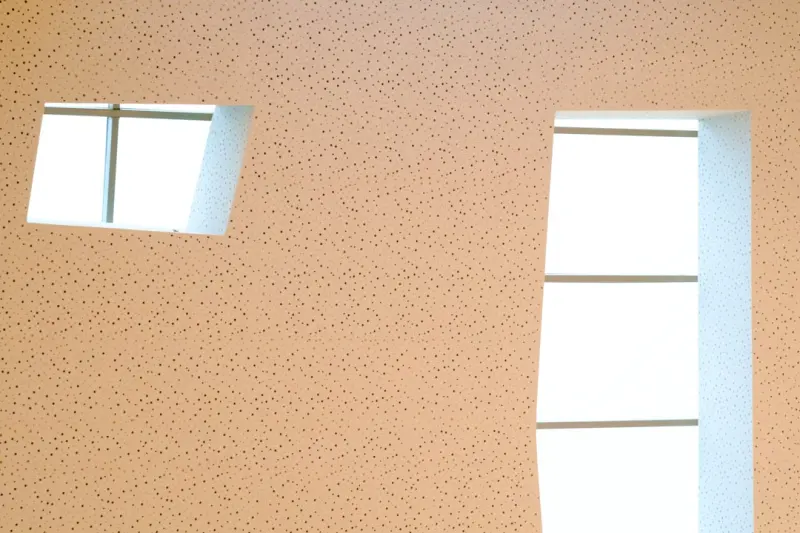
Rethinking Drywall: From Blank Canvas to Design Asset
When I first lifted a sheet of drywall off a construction pallet, I saw more than a sterile partition—I saw a versatile surface waiting for a story. Drywall can be the silent hero of a room, shaping light, texture, and even emotional tone without demanding the spotlight that a bold accent wall or a towering bookshelf might. By treating each panel as a design opportunity rather than a mere functional requirement, you unlock a realm of subtle sophistication that elevates the everyday living experience.
The real power of drywall lies in its ability to marry aesthetics with performance, a balance that many homeowners overlook until a crack or a blemish forces a costly repair. Modern expectations demand walls that not only look polished but also regulate sound, resist moisture, and support energy‑efficiency strategies, all while staying budget‑friendly. Embracing drywall as a holistic system lets you orchestrate visual harmony and structural resilience in a single, cohesive plan.
Before you ever swing a hammer, the planning stage determines whether your drywall will feel like an afterthought or a masterpiece. Accurate measurements, proper board selection, and an early decision on eco‑friendly gypsum alternatives set the stage for a smoother installation and a greener footprint. I always start by sketching a simple layout, noting high‑traffic zones, moisture‑prone areas, and any future modifications, because a well‑thought‑out blueprint saves hours of sanding later.
Crafting the Finish: Techniques that Transform
Once the panels are up, the art of taping and mudding begins—a process that can feel like a rite of passage for any DIY enthusiast. The key is to treat joint compound as a sculptor’s clay, applying thin, even layers and feathering the edges to avoid the dreaded “step” that spoils an otherwise flawless wall. For those who want a faster, more reliable workflow, I rely on a portable DIY home repair kit that includes a lightweight hawk, a flexible taping knife, and a quick‑dry mud formula, dramatically reducing waiting time between coats.
After the seams are hidden, the real fun begins: choosing a finish that reflects your personality while serving practical needs. Textured finishes—like knock‑down, orange peel, or subtle sand‑spray—add depth without the expense of wallcoverings, and they also help mask minor imperfections that inevitably appear with time. If you prefer a sleek, contemporary vibe, consider a high‑gloss primer followed by a muted, matte paint; the contrast between the smooth substrate and the soft color palette creates a sophisticated backdrop for art and furnishings.
One often‑ignored technique is the strategic use of reclaimed wood slats or metal furring strips embedded directly into the drywall surface before finishing. This hybrid approach produces a tactile accent wall that feels both industrial and warm, and it can be installed in just a few hours with basic tools. By integrating these elements during the mudding stage, you avoid costly retrofits and achieve a seamless transition between texture and material.
Sustaining the Surface: Maintenance, Acoustics, and Eco‑Choices
Great walls deserve lasting care, and that starts with a mindset that treats maintenance as an ongoing conversation rather than a one‑off chore. Implementing a proactive maintenance calendar that reminds you to inspect seams, reseal corners, and touch up high‑traffic areas each season can prevent small cracks from becoming structural headaches. A quick visual check, paired with a light sanding and fresh coat of sealant, preserves the integrity of your walls for years to come.
Beyond visual appeal, drywall plays a pivotal role in a home’s acoustic performance—a factor that many renovation guides neglect. Properly sealed joints and strategic placement of resilient channels can dramatically reduce echo and improve privacy, a benefit highlighted in our Quiet Homes guide. By treating drywall as an acoustic buffer, you create a sanctuary where conversations stay intimate and the outside world stays out, enhancing both comfort and resale value.
Finally, consider the environmental impact of the materials you choose; low‑VOCs, recycled‑gypsum, and plant‑based binders are becoming mainstream and provide the same strength without the carbon burden of traditional boards. Pairing these sustainable products with energy‑efficient insulation and airtight detailing creates a wall system that not only looks good but also contributes to lower utility bills and a healthier indoor climate. The result is a wall that serves you, your family, and the planet—a trifecta that any conscientious homeowner can appreciate.
In the end, drywall is more than a blank sheet; it’s a canvas, a sound absorber, and a sustainability platform rolled into one. By approaching each project with curiosity, precision, and a willingness to experiment, you turn ordinary walls into extraordinary experiences that reflect your unique lifestyle. So next time you stand in front of a fresh sheet of gypsum, remember: the possibilities are as endless as the imagination you bring to the room.

Lifan Chen is a freelancer based in Toronto specializing in marketing. With expertise in crafting effective marketing strategies and campaigns, Lifan helps businesses grow their brand presence and reach target audiences. As a Toronto-based freelancer, Lifan combines local market insights with creative marketing skills to deliver tailored solutions for clients.
Related Posts
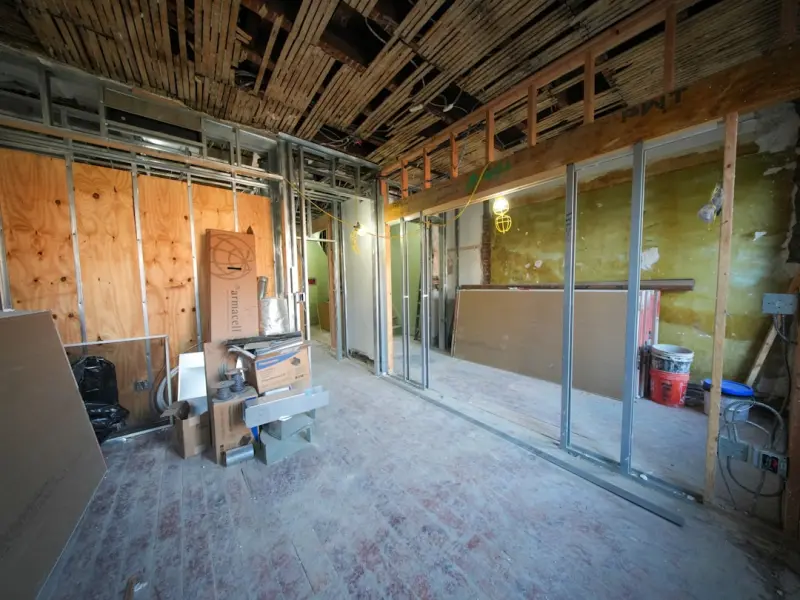
The Rise of Intelligent Drywall: Turning Walls into Data Hubs
Intelligent drywall integrates thin sensors into gypsum boards, creating walls that monitor humidity... Read More
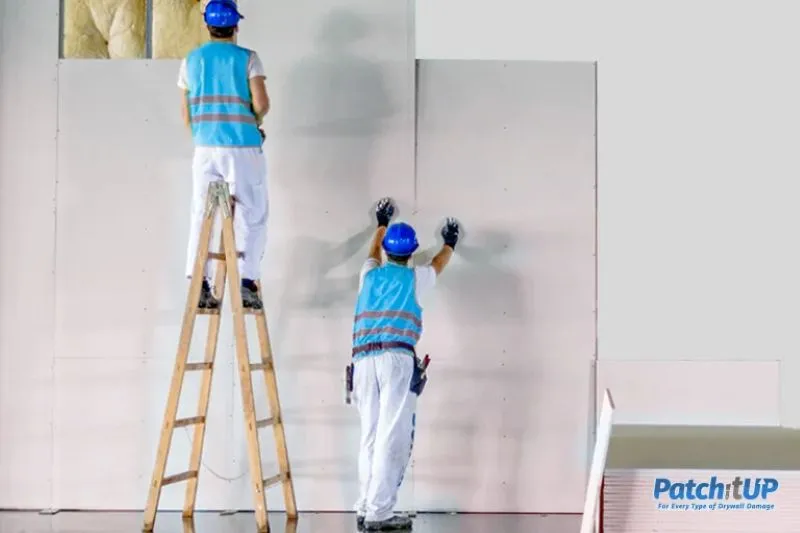
From Bare Bones to Beautiful: A DIY Guide to Mastering Drywalling
Transform your home with this comprehensive guide to DIY drywalling. Learn the essential steps from ... Read More

Beyond the Sheet: How Innovative Drywall Practices Are Redefining Interiors
A deep dive into modern drywall trends—from low‑VOC joint compounds and smart tools to moistureâ... Read More
Top Posts

Why Modern Home Alarms Are Becoming Strategic Safety Hubs
Home alarms are evolving from noisy deterrents to intelligent, networked safety hubs. This article examines AI‑driven detection, seamless smart‑home integra...Read More

When Drywall Meets Design: Turning Walls into Smart, Sustainable Spaces
Discover the transformative potential of today’s drywall—from recycled gypsum and acoustic upgrades to embedded sensors and radiant heating—offering a sma...Read More

Predictive Sensors Are Redefining Mold Removal for Smart Buildings
Mold removal is evolving from a reactive, costly chore into a predictive, data‑driven process. Discover how humidity sensors, AI analytics, and integrated bui...Read More

Listening to the Leaves: How Data-Driven Tree Care is Redefining Urban Green Spaces
A deep dive into how modern sensors, AI analytics, and community engagement turn traditional tree maintenance into a proactive, data‑driven practice that enha...Read More
0 Comments
Post Comment
You will need to Login or Register to comment on this post!