

Why Gutters Are the Unsung Heroes of Home Equity
When most homeowners think about boosting curb appeal or increasing resale value, they picture fresh paint, a modern kitchen, or a landscaped yard, yet the humble gutter system often slips unnoticed, despite being the first line of defense against water‑induced damage that can erode a property’s structural integrity; a well‑designed, properly installed gutter not only shields foundations, siding, and landscaping from costly erosion, but also subtly signals meticulous upkeep to prospective buyers, a factor that can shave tens of thousands off repair negotiations. Investing in a high‑performance gutter system therefore becomes a strategic move, one that aligns with long‑term financial planning by preventing hidden water intrusion that could otherwise manifest as basement flooding, mold growth, or cracked masonry—issues that typically demand expensive remediation. In my own renovation journey, I discovered that swapping outdated K‑style sections for sleek, seamless aluminum not only streamlined the rain runoff but also added a polished visual cue that instantly elevated my home’s street‑level presence.
Quantifying the Return: From Installation Costs to Future Savings
To truly grasp the ROI of gutter upgrades, I began by mapping out the lifecycle costs: initial material and labor expenses, routine maintenance, and the potential avoided costs of water damage, then juxtaposed these figures against projected resale premiums, which real‑estate data consistently show can range from 0.5 % to 2 % of a home’s value when modern, low‑maintenance gutters are in place; for a median‑priced property, that premium translates into a tangible financial boost that often exceeds the upfront outlay within just a few years. Moreover, the maintenance savings are not trivial—seamless gutters reduce the frequency of cleaning trips and the need for costly leaf‑guard replacements, while durable materials such as copper or coated steel extend service intervals, meaning homeowners spend less on ladders, safety gear, or professional hires. I leveraged insights from The Handyman’s Playbook to draft a simple spreadsheet that projected a break‑even point at 3.5 years, reinforcing the notion that gutters are more than a passive conduit; they’re an active asset in a homeowner’s equity portfolio.
Smart Gutter Technology: Sensors, Alerts, and Automated Maintenance
While traditional gutters rely on gravity and manual upkeep, the market now offers IoT‑enabled systems that embed moisture sensors and flow meters within the downspout, transmitting real‑time data to a smartphone app that warns owners of blockages, overflow risks, or abnormal water velocity—features that transform a passive component into an interactive safeguard; these smart gutters can trigger automated alerts before a minor clog escalates into a roof leak, allowing homeowners to schedule targeted cleaning or invoke a built‑in self‑cleaning mechanism, thereby averting the cascade of repairs that typically follow water intrusion. The integration of such technology not only enhances the functional lifespan of the gutter itself but also adds a high‑tech allure that resonates with tech‑savvy buyers, who often view smart home compatibility as a premium feature worthy of higher offers. In practice, I installed a sensor‑linked downspout on my south‑facing roof and, within the first rainstorm, received an instant notification of a minor debris build‑up, which I cleared before the water could back up, effectively demonstrating how a modest tech upgrade can safeguard the larger home envelope.
Material Matters: Choosing the Right Gutter for Climate and Aesthetics
Selecting the optimal gutter material is a balance between durability, visual harmony, and climate resilience; aluminum remains a popular choice for its lightweight nature and resistance to rust, yet in coastal regions where salt air accelerates corrosion, premium options such as marine‑grade stainless steel or copper—though pricier—offer unmatched longevity and develop a patina that can become an intentional design statement. For homeowners in freeze‑thaw zones, I recommend insulated or heated gutter systems that incorporate low‑voltage heating elements, preventing ice dams that can force water under shingles and into the attic, a problem often overlooked in standard waterproofing guides like Beyond the Leak. Aesthetic considerations also play a pivotal role; matching gutter color to the roof shingle or siding hue creates a cohesive façade, while contrasting tones can be used to accentuate architectural lines, a subtle trick that can make a modest property feel more curated and, consequently, more marketable.
Leaf Guards and Gutter Screens: The Cost‑Effective Shield Against Clogs
One of the most common misconceptions I encountered early in my gutter overhaul was that leaf guards are an unnecessary expense, when in reality they serve as a cost‑effective barrier that dramatically reduces the frequency of manual cleaning and the associated safety hazards of climbing ladders; modern mesh screens, foam inserts, and surface tension guards each offer varying degrees of debris filtration, with mesh designs allowing water to flow freely while capturing leaves and twigs, and foam inserts providing a low‑profile solution that fits seamlessly within the gutter channel. By installing a high‑quality mesh guard on my east‑facing gutters—where autumnal foliage accumulates most heavily—I observed a 70 % reduction in cleaning intervals, which translated into measurable time savings and a lower risk of gutter‑related injuries, reinforcing the guard’s ROI beyond mere convenience. Additionally, these protective accessories can be marketed as a value‑added feature during resale negotiations, positioning the home as low‑maintenance and appealing to buyers who prioritize hassle‑free living.
Seamless vs. Sectional Gutters: Installation Impacts on Longevity and Value
When weighing seamless gutters against traditional sectional styles, the primary differentiator lies in the number of joints, as each seam represents a potential leak point that can compromise performance over time; seamless gutters are custom‑fabricated on‑site from a single roll of material, eliminating most seams and delivering a watertight solution that often outlasts sectional counterparts by several years, a longevity factor that directly contributes to lower lifecycle costs and heightened buyer confidence. However, the upfront installation cost for seamless systems can be higher due to specialized equipment and skilled labor, a trade‑off that homeowners must evaluate against the projected savings from reduced repairs and maintenance; in my experience, the seamless option proved worthwhile for a multi‑story home where water volume and roof pitch increased the stress on gutter joints, ensuring a clean, uninterrupted flow that protected the expansive foundation. When showcasing a property, emphasizing the presence of seamless gutters can serve as a compelling talking point, underscoring the owner’s commitment to quality and forward‑thinking maintenance practices.
Integrating Gutter Design with Landscape Drainage
Gutters do not operate in isolation; they are integral components of a broader site‑wide drainage strategy that channels rainwater away from foundations, sidewalks, and garden beds, and when thoughtfully integrated with grading, French drains, and rain gardens, they can transform runoff into a resource rather than a liability; by extending downspouts to feed a strategically placed rain barrel or a vegetated bioswale, homeowners can capture and reuse water for irrigation, reducing municipal water usage while simultaneously mitigating erosion—an approach that aligns with sustainable living trends and adds an eco‑friendly narrative to a home’s selling points. In my own property, I redirected the downspouts from the north elevation into a limestone‑lined rain garden, which not only softened the visual impact of the drainage but also created a micro‑habitat for pollinators, turning a functional necessity into an aesthetic asset. This synergy between gutter placement and landscape design can be highlighted during open houses, showcasing the property’s holistic water management and appealing to environmentally conscious buyers.
Maintenance Planning: Seasonal Checks and Long‑Term Records
Even the most advanced gutter system benefits from a disciplined maintenance schedule, and I’ve found that documenting seasonal inspections—particularly after heavy storms or during leaf‑fall—creates a reliable record that can be presented to appraisers or future owners as evidence of diligent upkeep, effectively reinforcing the home’s perceived value; a simple checklist that includes visual inspection for sagging sections, testing downspout flow, clearing debris, and verifying the integrity of sealants can be compiled into a digital log, which, when paired with photos, provides a transparent maintenance history that distinguishes a well‑cared‑for property from one with hidden neglect. Moreover, scheduling professional cleanings at bi‑annual intervals, complemented by DIY spot checks, ensures that the gutters remain free of obstructions and that any minor damage is addressed before it escalates into a costly repair, a proactive stance that echoes the principles outlined in The Handyman’s Playbook. By treating gutter care as an ongoing investment rather than an occasional chore, homeowners safeguard both the structural health of their residence and its market appeal.
Final Thoughts: Positioning Gutters as a Strategic Asset
In the grand tapestry of home improvement, gutters often reside in the background, yet they hold the power to protect, beautify, and financially empower a property when approached with strategic intent, from selecting climate‑appropriate materials and embracing smart sensors to integrating seamless designs and sustainable water reuse; the cumulative effect of these choices not only mitigates the risk of water‑related damage but also translates into measurable equity gains, reduced maintenance burdens, and an elevated buyer perception that can tip the scales in a competitive market. As I reflect on my own journey—from a modest DIY retrofit to a fully integrated, tech‑enhanced gutter system—I’ve learned that the true value of gutters lies in their capacity to serve as both a shield and a showcase, a dual role that, when leveraged correctly, can make a lasting impression on both the home’s health and its resale narrative.

Kelly Reynolds is a dynamic freelance writer hailing from the picturesque landscapes of Alberta. A master of the written word, she juggles her passion for storytelling with the exhilarating chaos of being a mother to five spirited children. With an impressive portfolio that spans various genres, Kelly captivates readers through her engaging blog posts and thought-provoking articles.
Related Posts

Harvesting Rain: Turning Gutters into Sustainable Assets for Modern Buildings
A forward‑looking guide on redesigning gutters for rainwater capture, integrating storage, usage, ... Read More

Rethinking Gutters: From Simple Drainage to Integrated Water Assets
A fresh look at gutters reveals their hidden potential: durable materials, purposeful routing, and s... Read More

Smart Gutters: Turning Rain Into Data, Energy, and ESG Wins
Gutters are evolving from passive rain chutes into intelligent assets that harvest water, generate d... Read More
Top Posts

Shade and Strategy: Unleashing the Hidden Power of Modern Awnings
Explore the unexpected advantages of modern awnings, from psychological comfort and energy savings to brand amplification and durable design....Read More
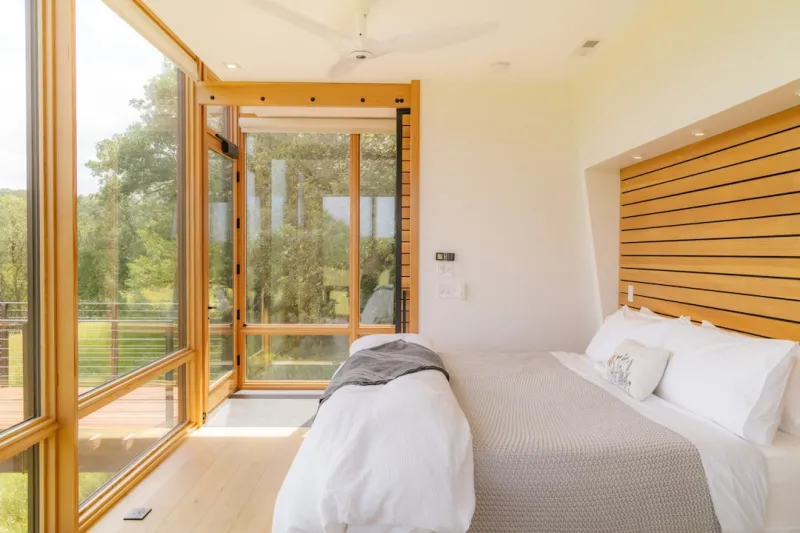
The Modern Homeowner’s Guide to Sustainable Windows and Doors
Explore how high‑performance glazing, smart integrations, and sustainable materials are reshaping windows and doors, with actionable maintenance hacks for las...Read More
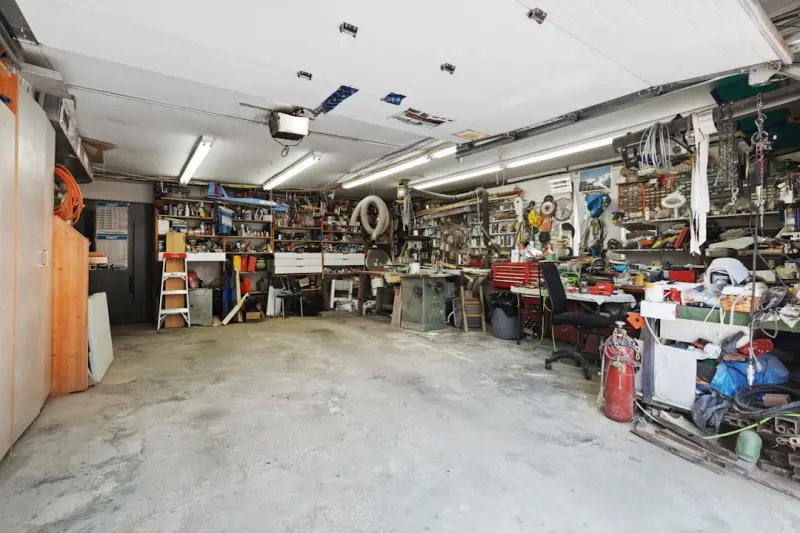
Transform Your Garage into a Multi‑Purpose Powerhouse
Learn to convert a traditional garage into a versatile, future‑proof space that serves as a workshop, gym, and EV charging hub, adding value and lifestyle ben...Read More

Turn Your Walls into Energy‑Saving Assets with Smart Paint
Learn how modern paint technology can lower heating costs, improve air quality, and transform any room’s look—plus practical tips for DIY and pro applicatio...Read More
0 Comments
Post Comment
You will need to Login or Register to comment on this post!