

Why Your Deck Is the Next Frontier for Remote Work Success
When most people think about a home office, the image that pops into mind is a spare bedroom or a cramped corner of the living room. As someone who spends more time in the backyard than the boardroom, I’ve discovered that the deck—often relegated to weekend barbecues—offers a surprisingly powerful platform for productivity, wellbeing, and even corporate branding. This isn’t about turning a deck into a marketing stage; it’s about leveraging the deck’s unique blend of openness, natural light, and fresh air to create a high‑performance remote‑work sanctuary.
The Science Behind Outdoor Workspaces
Numerous studies confirm that exposure to natural light boosts alertness, improves mood, and reduces eye strain. A 2022 research paper from the Journal of Environmental Psychology found that workers who spent at least 30 minutes a day in an outdoor environment reported a 12% increase in task‑completion speed and a 9% reduction in perceived stress. The deck is the perfect conduit for that exposure—right outside your front door, yet still under your control.
But the benefits go deeper than sunlight. The gentle rustle of leaves, the subtle scent of cut grass, and the rhythmic chirp of birds create a low‑level acoustic backdrop that masks office noise without demanding attention. In cognitive terms, this is called “soft fascination,” a state where the brain can relax while staying alert—a sweet spot for deep work.
Design Principles for a Deck‑Based Home Office
- Weather‑Proofing First: Before you haul a laptop onto the deck, protect your tech. Invest in a high‑quality, UV‑resistant canopy or a retractable pergola. Look for solutions with integrated drainage to prevent water pooling. If you live in a climate with heavy snowfall, consider a modular adaptive renovation that can be reconfigured seasonally.
- Ergonomic Furniture: Choose weather‑treated chairs and desks that meet the same ergonomic standards as indoor office furniture. Adjustable height desks made from composite materials can withstand the elements while letting you switch between sitting and standing.
- Power & Connectivity: A deck can be a high‑tech hub if you plan the infrastructure early. Run conduit beneath the decking for power outlets and Ethernet cables, or use a solar‑powered battery system paired with a high‑gain Wi‑Fi antenna. For those who love a clean aesthetic, hidden power strips and wireless chargers can be integrated into the deck railing.
- Acoustic Management: While the ambient sounds of nature are beneficial, sudden traffic or neighbor noise can be disruptive. Consider portable acoustic panels that blend with the deck’s design. These can be mounted on the railing or positioned on the floor for quick deployment.
- Green Integration: Adding potted plants or a vertical garden to the deck not only amplifies the biophilic effect but can also improve air quality. Choose low‑maintenance, drought‑tolerant species like succulents, rosemary, or ornamental grasses.
Smart Deck Technology: From Maintenance to Metrics
Just as office buildings are becoming “smart” through IoT sensors, decks can be equipped with low‑cost devices that monitor structural health, temperature, and humidity. A simple moisture sensor embedded in the deck boards can alert you via a mobile app when water infiltration threatens the wood, preventing costly rot before it happens.
Beyond preservation, these sensors can feed data into a personal productivity dashboard. Imagine a system that tracks sunlight exposure, ambient temperature, and even wind speed, then suggests optimal work windows. By aligning your most cognitively demanding tasks with peak environmental conditions, you turn the deck into a data‑driven productivity engine.
Case Study: A Marketing Team’s Deck‑Centric Sprint
Last quarter, a mid‑size marketing agency experimented with a “Deck‑First” sprint for a new client campaign. The team moved their daily stand‑ups to a shared deck equipped with a large, weather‑proof screen and a portable Wi‑Fi hotspot. Over a two‑week period, they logged a 17% increase in content output and a 22% reduction in meeting fatigue. The outdoor setting also sparked spontaneous brainstorming sessions—ideas that might never have emerged behind a closed door.
This real‑world example demonstrates that decks aren’t just a novelty; they can be a strategic asset for collaborative work. If you’re curious about how data can amplify this effect, check out our guide on future‑ready home offices that marry nature and analytics.
Balancing Professionalism with Lifestyle
One objection many professionals raise is “How do I look professional on a video call from a deck?” The answer lies in a few simple steps:
- Choose a neutral, non‑distracting backdrop—think a neatly trimmed hedge or a simple wooden fence.
- Use a portable ring light that clips onto the deck railing to ensure consistent lighting.
- Keep a tidy, organized workspace; a clutter‑free desk signals focus, regardless of the setting.
By curating the visual environment, you maintain a polished appearance while still reaping the physiological benefits of being outdoors.
Environmental and Financial Upsides
From a sustainability perspective, decks can be built using reclaimed wood or composite materials that reduce landfill waste. Pairing a deck with a solar array—whether integrated into the canopy or positioned nearby—can offset the energy consumption of your home office. Over time, the combination of reduced heating/cooling loads (thanks to natural ventilation) and solar generation translates into measurable cost savings.
Financially, a well‑designed deck can increase property value. Real estate data shows that homes with functional outdoor living spaces command a premium of up to 8% over comparable properties without them. By framing the deck as both a lifestyle feature and a work asset, you appeal to a broader market of future buyers.
Step‑by‑Step Blueprint to Convert Your Deck
Ready to take the plunge? Here’s a practical roadmap:
- Assess Climate and Load: Determine the typical weather patterns in your region. If you experience heavy rain, prioritize drainage; if you have strong winds, invest in sturdy railings.
- Plan Power & Connectivity: Map out where outlets, data ports, and solar panels will sit. Consult an electrician to ensure code compliance.
- Select Furniture: Opt for pieces that are both ergonomic and weather‑resistant. Test them for comfort before committing.
- Integrate Smart Sensors: Install moisture, temperature, and light sensors. Pair them with a simple home automation platform (e.g., Home Assistant) for alerts.
- Test and Iterate: Spend a week working from the deck, noting any pain points—perhaps a glare issue at midday or insufficient shade. Adjust shading or reposition equipment as needed.
- Document the Process: Capture before‑and‑after photos, sensor data, and productivity metrics. This documentation can serve as a case study for internal stakeholders or even as marketing material.
Future Trends: Decks as Community Hubs
Looking ahead, imagine a neighborhood where decks become shared coworking spaces, complete with reservation apps, communal Wi‑Fi, and on‑demand coffee stations. This model could reduce the need for large commercial office leases while fostering local collaboration. The concept aligns with the growing “hyper‑local” work trend—people seeking flexible, community‑centric work environments close to home.
Such a vision will rely heavily on real‑time data platforms to manage bookings, maintenance, and resource allocation. While we’re not there yet, the building blocks are already in place, and forward‑thinking homeowners can be early adopters.
Conclusion: Decks as the Quiet Engine of Remote Success
In a world where the line between work and home continues to blur, the deck stands out as a versatile, under‑utilized asset. By treating it as a purposeful extension of your workspace—complete with ergonomic furniture, smart tech, and thoughtful design—you unlock a suite of productivity, wellbeing, and financial benefits that traditional indoor offices simply can’t match.
Whether you’re a solo entrepreneur, a team leader seeking new collaboration spaces, or a property owner looking to boost asset value, the deck offers a low‑risk, high‑reward opportunity. Embrace the fresh air, harness data, and let your outdoor office become the quiet engine that powers your next big breakthrough.

Tom Ferguson is a Canadian freelance writer with a passion for storytelling, current events, and thoughtful commentary. Drawing on years of writing experience, he shares engaging insights on a wide range of topics, bringing a uniquely Canadian perspective to his work.
Related Posts
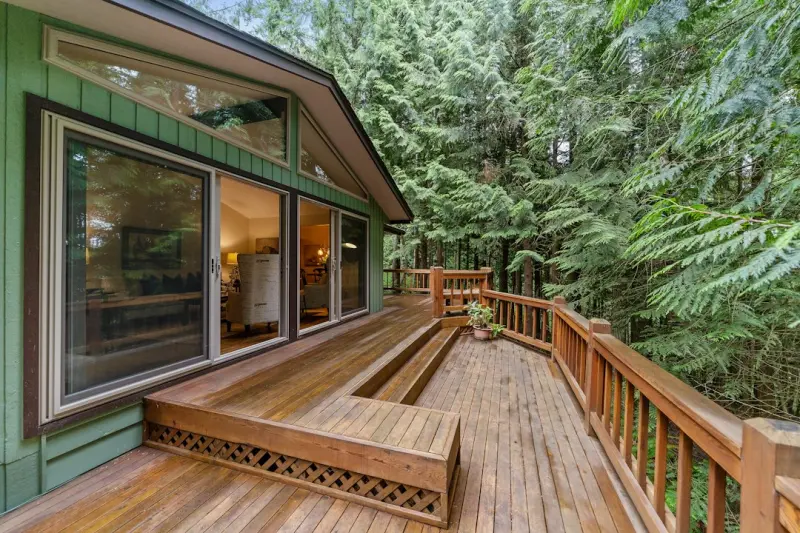
Decks as Experiential Brand Stages: Turning Outdoor Spaces into Marketing Powerhouses
Explore the fresh perspective of using outdoor decks as immersive brand platforms, combining design,... Read More
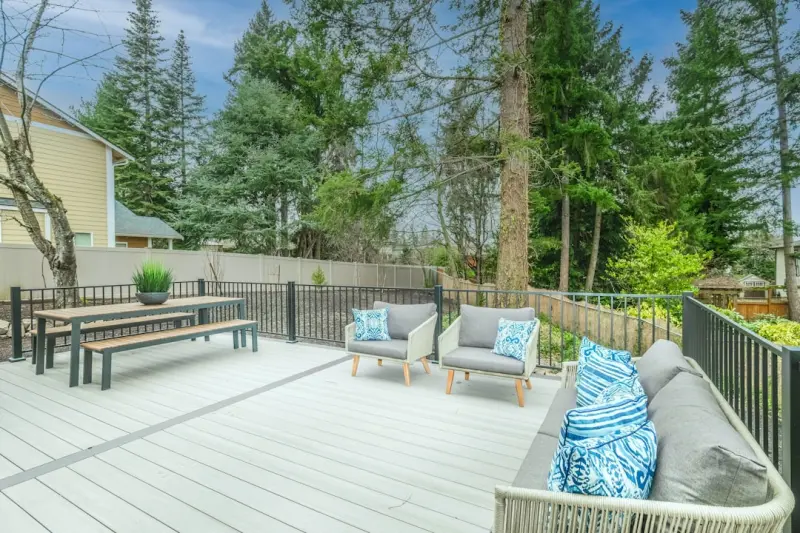
Elevate Your Backyard with a Sustainable, Tech‑Ready Deck
A hands‑on guide to crafting a sustainable, technology‑infused deck that balances style, comfort... Read More
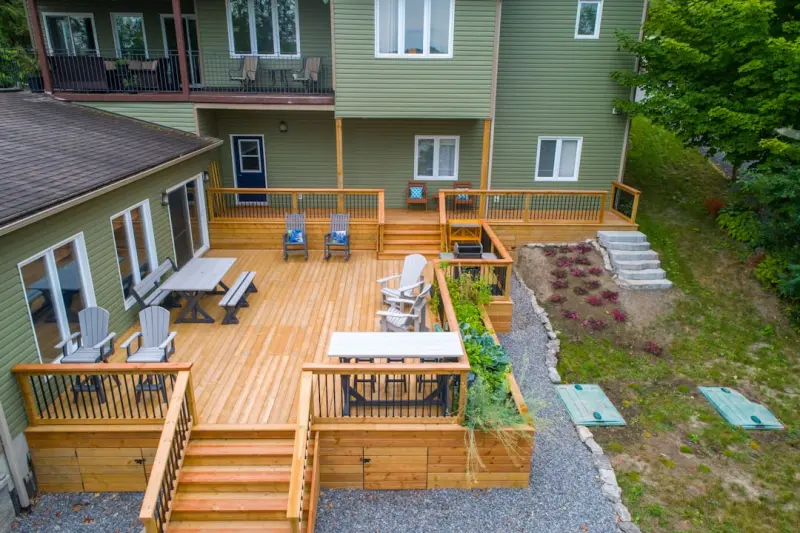
Decks Reimagined: From Static Platforms to Intelligent Experience Zones
An in‑depth look at transforming ordinary decks into intelligent, data‑rich zones that enhance e... Read More
Top Posts

The Art and Science of Modern Plaster Walls: From Prep to Perfect Finish
Explore practical plastering techniques that blend aesthetics, sound control, and sustainability, guiding you to flawless walls with texture and tone....Read More

Beyond Warmth: How Smart Floor Heating Redefines Commercial Comfort
Floor heating is evolving from a luxury add‑on to a strategic asset, offering uniform warmth, lower energy costs, and health benefits while integrating with s...Read More

Handyman Hacks: Sustainable Fixes That Save Money and the Planet
Learn how a modern handyman can blend classic repairs with sustainable upgrades—saving money, energy, and the environment in everyday home projects....Read More

How Smart Sensors Are Turning Roofs into Predictive Assets
Roofing is evolving from a static shield to a data‑rich system. Learn how smart sensors monitor temperature, humidity, and vibrations to predict problems befo...Read More
0 Comments
Post Comment
You will need to Login or Register to comment on this post!