

Why Acoustic Comfort Deserves a Spot on Your Home‑Improvement List
We spend a staggering amount of time inside our walls—working, sleeping, binge‑watching, cooking, and even meditating. Yet, while we obsess over lighting, temperature, and aesthetics, the soundscape of our homes often slips through the cracks. A noisy hallway, a thin‑walled bedroom, or a reverberant living room can sap energy, disturb focus, and even affect health. The good news? You don’t need a full‑blown renovation or expensive acoustic panels to reclaim quiet. Small, strategic tweaks—many of them DIY—can transform any room into a serene sanctuary.
Start with the Basics: Seal the Gaps
The simplest sound leaks often come from the tiniest cracks. Door frames, window sills, and even electrical outlets act like acoustic highways, funneling street noise or hallway chatter straight into your space. Grab a weather‑stripping kit and apply it around interior doors. Install door sweeps at the bottom of doors that lead to high‑traffic areas. For windows, consider adding a thin acrylic film or a snug dynamic treatment that not only boosts energy efficiency but also adds an extra layer of sound dampening.
Floor Coverings: The Unsung Heroes of Quiet
Hard flooring reflects sound, turning a modest footfall into a booming echo. Layering a high‑density rug underfoot can absorb those vibrations dramatically. For larger rooms, a stacked rug system—a thin cotton rug topped with a plush wool layer—offers a budget‑friendly acoustic blanket. If you’re renovating, consider engineered hardwood with a built‑in underlayment, or cork flooring, which naturally reduces impact noise.
Soft Surfaces: Curtains, Tapestries, and Upholstery
Heavy curtains do more than block sunlight; they act as massive acoustic panels when drawn. Choose fabrics with a dense weave—think velvet, linen, or acoustic‑rated blackout material. Hang a decorative tapestry or a wall‑mounted fabric panel opposite a noisy window; the visual appeal doubles as a sound absorber. Even a strategically placed upholstered chair can break up sound reflections in a living room.
DIY Acoustic Panels: One‑Tool Simplicity
When you think “acoustic panel,” you might picture pricey fiberglass grids. In reality, you can craft effective panels with a single tool—a drill. Use a circular saw to cut 2‑by‑4 lumber into 12‑inch squares, attach a thin layer of acoustic foam, then cover it with fabric. Mount these panels on the most reflective walls (usually the ones opposite windows or doors). For a step‑by‑step guide, check out our one‑tool DIY repair guide. The result is a professional‑looking acoustic solution that costs a fraction of the store‑bought alternatives.
Strategic Furniture Placement
Bookshelves filled with books, dense cabinets, and even indoor plants act as natural sound diffusers. Position a tall bookshelf against a wall that faces a noisy street; the books will absorb mid‑frequency sounds, softening the overall ambiance. Add a few large‑leaf plants—such as ficus or rubber trees—to the corners of a room; their foliage and soil mass can reduce echo and improve indoor air quality.
White Noise & Smart Sound Machines
If you can’t control external noise entirely, introduce a gentle, consistent soundscape to mask it. Modern smart speakers now come with built‑in white‑noise generators, ocean waves, or rainforest ambience that can be scheduled via an app. Pair this with a smart thermostat that monitors ambient noise levels and adjusts volume automatically for optimal comfort.
Soundproofing the Bathroom: A Hidden Oasis
Bathrooms are often overlooked, yet they can become echo chambers, especially when tiled walls reflect sound. Adding a small, water‑resistant rug or a fabric‑wrapped towel rack can absorb splashing noise. Consider installing a soft‑close toilet seat and a low‑flow faucet; the reduced water rush translates to a quieter bathroom experience.
Home Office Acoustic Upgrades
Remote work demands a focus‑friendly environment. Acoustic comfort in a home office isn’t just about blocking external chatter; it’s about minimizing reverberation from your own voice and equipment. Attach a foam-backed desk pad to your work surface and line the ceiling with acoustic tiles. For those with limited budget, a wall‑mounted cork board can double as a pinboard and a sound absorber.
Budgeting for Acoustic Comfort
Not every upgrade needs to break the bank. Start with the lowest‑cost interventions—weather stripping, rugs, curtains—and measure the difference. If you still crave more silence, allocate a modest portion of your home‑improvement budget to DIY panels. Remember, the goal isn’t a concert‑hall level of isolation but a noticeable reduction in distracting noise that improves daily living.
Maintenance: Keep Your Quiet Zones Working
Acoustic solutions, like any home improvement, need upkeep. Inspect door sweeps and weather stripping annually; replace any worn sections. Vacuum fabric panels and curtains regularly to prevent dust buildup, which can diminish their sound‑absorbing capacity. If you’ve installed acoustic foam, check for mold in humid climates and replace if necessary.
Future‑Proofing Your Home’s Soundscape
As smart‑home ecosystems evolve, new devices will integrate acoustic monitoring, automatically adjusting lighting, temperature, and even music playlists based on ambient noise levels. While you’re not required to buy a full suite now, keeping wiring and conduit pathways open for future speakers or microphones can save you time and money down the line.
Putting It All Together: A Step‑by‑Step Quick‑Start Plan
- Week 1: Seal doors and windows. Install weather stripping, door sweeps, and add heavy curtains.
- Week 2: Lay down rugs in high‑traffic rooms. Add a floor‑covering underlayment if renovating.
- Week 3: Build and hang DIY acoustic panels using the one‑tool DIY repair guide as your blueprint.
- Week 4: Arrange furniture strategically, introduce plants, and test a smart speaker’s white‑noise feature.
- Ongoing: Perform quarterly checks on seals and clean fabric surfaces.
By approaching acoustic comfort with a mix of simple sealing, soft surfaces, strategic furniture, and a dash of DIY ingenuity, you can transform any room into a quieter, more enjoyable space. The result? Better focus, deeper rest, and a home that truly feels like a refuge from the world’s clamor.

William Roy is a freelance writer originally from Montreal who moved to Ottawa with his wife of 50 years to be closer to their grandkids. Alongside his writing, William has a passion for fishing.
Related Posts

Layered Light: How to Light Your Home Smarter, Safer, and More Stylish
Learn how to create a three‑layer lighting system—ambient, task, and accent—that improves mood... Read More
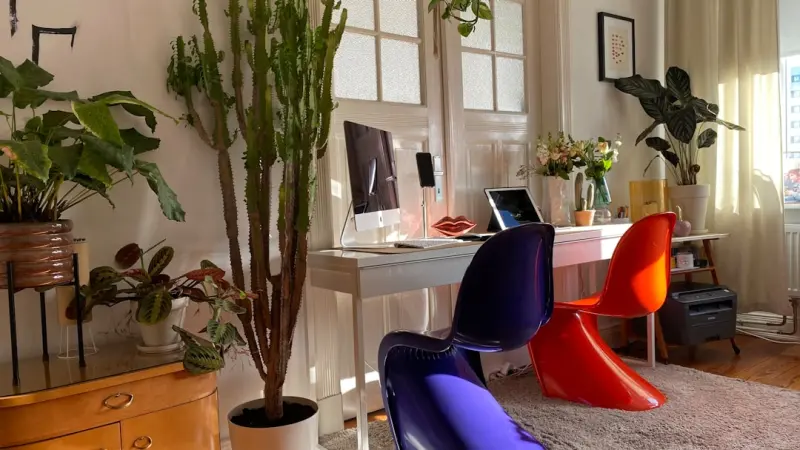
Design a Home Office Oasis That Boosts Focus and Well‑Being
Turn your remote‑work corner into a soothing oasis. Learn how lighting, sound, ergonomic furniture... Read More
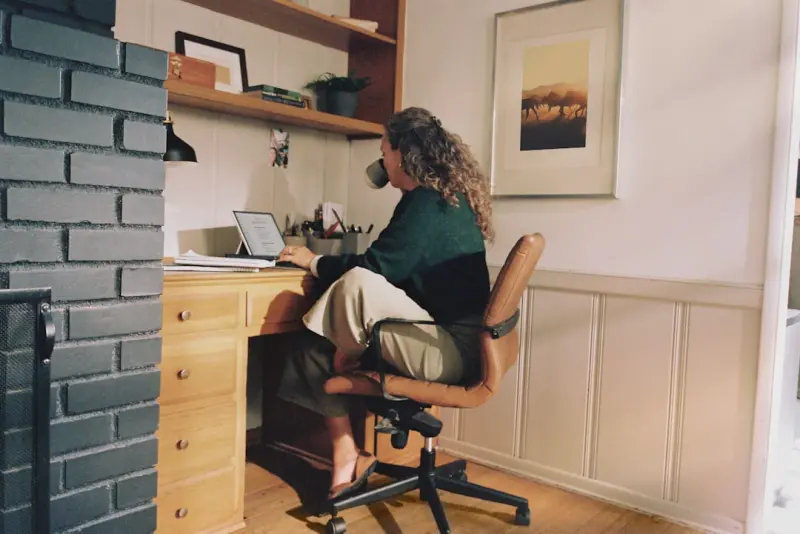
Transform Your Home Office into a Productivity Power‑Hub
A step‑by‑step guide to turning any space into a high‑performance home office, covering lighti... Read More
Top Posts

Cultivating a Multi‑Sensory Lawn: A Fresh Approach to Outdoor Well‑Being
Transform your yard into a sensory sanctuary with diverse grasses, herbs, and smart water practices, creating an outdoor space that nurtures mind, body, and the...Read More

Reimagining the Deck: From Static Platform to Adaptive Outdoor Stage
A deck can be more than a simple extension; it can become a responsive, adaptable space that supports everything from quiet coffee moments to vibrant gatherings...Read More

The Role of Roofing in Sustainable Home Restoration
Sustainable roofing plays a critical role in home restoration, energy efficiency, and environmental responsibility. Learn how to prioritize eco-friendly roofing...Read More

The Sustainable Awning Revolution: How Eco-Friendly Designs Are Changing the Game
The world of awnings is undergoing a significant transformation, driven by the need for sustainable and eco-friendly solutions. Learn about the benefits and tre...Read More
0 Comments
Post Comment
You will need to Login or Register to comment on this post!