

Why the Space Behind the Door Matters More Than You Think
When most homeowners think about closet upgrades, they picture glossy sliding doors or a fancy built‑in wardrobe. Rarely do they consider the micro‑cavities that sit just beyond the reach of the eye: the narrow gap between the door frame and wall, the awkward triangle beneath a hanging rod, or the shallow alcove left over after a renovation. These forgotten pockets hold the key to a storage revolution that doesn’t require a full‑blown remodel or a mountain of budget. By treating each nook as a purposeful zone rather than a leftover, you can multiply usable capacity, streamline daily routines, and even boost the perceived value of the entire home.
The Psychology of “Out of Sight, Out of Mind” and How to Flip It
Humans have a natural tendency to ignore spaces they cannot see. That’s why a half‑empty shelf often feels emptier than it is, and why a cluttered entryway can make an entire house feel chaotic. The solution starts with visual cues: clear sightlines, consistent labeling, and a rhythm that encourages you to return items to their homes. When you deliberately expose the hidden corners—through transparent panels, pull‑out trays, or subtle lighting—you rewire the brain’s habit loop. The result? A smoother flow, fewer misplaced belongings, and a quieter mental space.
Step‑by‑Step: Mapping the “Invisible” Real Estate in Your Closet
Before you order any hardware, take a systematic inventory of every square inch. Grab a tape measure, a notebook, and a flashlight. Follow this checklist:
- Vertical gaps: Measure the distance from the top of the rod to the ceiling. Even a half‑inch gap can accommodate slim pull‑down shelves.
- Side recesses: Look for the space between the side wall and any built‑in panels. These are perfect for narrow baskets or roll‑out racks.
- Floor depth: The area beneath a hanging rod often hides a shallow box‑type compartment. Consider a low‑profile shoe rack.
- Back wall niche: If the back wall isn’t perfectly flat, a custom shallow drawer can fill the void.
- Door interior: The inside of a hinged door offers a hidden panel for small accessories like belts or ties.
Document each measurement and note the type of items you’d ideally store there. This map becomes your blueprint for the next phase: targeted interventions.
Design Patterns That Turn Nooks into Functional Pods
Once you’ve charted the terrain, choose a design pattern that matches the shape and usage frequency of the space.
- Pull‑Out Sliding Trays: Ideal for side recesses. A simple rail system lets you glide a shallow tray in and out without disturbing adjacent clothing.
- Flip‑Down Panels: Great for vertical gaps. A hinged panel folds down to reveal a slim shelf—perfect for scarves, hats, or seasonal accessories.
- Adjustable Tension Rods: Use these in floor‑depth zones to create a flexible hanging area for bags, jackets, or lightweight footwear.
- Transparent Bins with Labels: For the back‑wall niche, clear containers let you see contents at a glance, while removable labels keep the system tidy.
- Magnetic Strips on Door Interiors: A low‑profile strip can hold metal tools, keychains, or even decorative elements, turning the door into a utility surface.
Materials and Finishes That Speak to Durability Without Overkill
Choosing the right material is a balancing act between longevity, aesthetics, and cost. Here are a few recommendations that avoid the gimmick‑laden trends you see on glossy home‑improvement shows:
- Powder‑coated aluminum rails: Offer rust resistance and a sleek look while staying lightweight.
- Birch plywood with a matte seal: Provides a sturdy substrate for custom trays without the high price of hardwood.
- Recycled high‑density polyethylene (HDPE) bins: Durable, easy to clean, and environmentally friendly.
- Low‑VOC water‑based finishes: Keep indoor air quality high and reduce odor during installation.
By focusing on function-first finishes, you’ll create a system that endures daily wear and still feels polished.
Integrating Technology Without the “Smart” Label
Modern homes often boast connected appliances, but you don’t need a full suite of high‑tech gadgets to enhance storage. Simple, discreet tech can make a huge difference:
- Battery‑operated motion sensors: Install a low‑energy sensor that lights up a narrow LED strip when you open the closet door. It’s a subtle cue that draws attention to hidden compartments.
- Weight‑sensing pads: Place them under frequently accessed bins to alert you via a gentle chime if the load exceeds a safe limit—helpful for heavy shoe boxes.
- QR code inventory tags: Attach a small QR label to each bin; scanning it with a phone opens a spreadsheet you can update on the fly, keeping track of seasonal items.
These modest additions bring the convenience of connectivity without overwhelming the space or budget.
Case Study: Transforming an Under‑Stair Closet Into a Multi‑Purpose Hub
One of our recent clients faced a cramped, dark under‑stair closet that served only as a dumping ground for winter coats. By applying the mapping technique above, we identified three distinct zones:
- A vertical strip along the stair riser, perfect for a pull‑down shelf.
- A shallow floor cavity, ideal for a low‑profile shoe rack.
- The interior of the hinged door, repurposed with magnetic strips for accessories.
We installed powder‑coated aluminum rails for the pull‑down shelf, added recycled HDPE bins on the floor, and mounted a small LED motion sensor to illuminate the area on entry. The result was a tidy, functional space that reclaimed 45 % of previously wasted volume. The homeowner reported a smoother morning routine and a newfound appreciation for that previously ignored corner of the house.
Maintaining the System: A Seasonal Checklist
Even the best‑designed storage will falter without regular upkeep. Adopt a light, seasonal routine to keep everything humming:
- Spring: Rotate clothing, clear out expired items, and wipe down all surfaces with a low‑VOC cleaner.
- Summer: Test motion sensors and battery levels; replace as needed.
- Fall: Re‑label bins for winter gear, adjust tension rods for heavier jackets.
- Winter: Inspect rails for any wear, lubricate moving parts with silicone spray.
This modest commitment prevents the gradual creep of clutter and ensures that each hidden zone remains a reliable ally throughout the year.
Linking Storage Improvements to Larger Home Goals
While the focus here is on closet micro‑optimizations, the principles echo throughout the house. A well‑organized closet reduces the time spent searching for items, which in turn lowers the overall stress level of occupants. That calmness spills over into other rooms, making the entire home feel more purposeful. For homeowners planning broader upgrades, consider how these small wins can dovetail with larger projects—like a busy homeowner's checklist that prioritizes high‑impact, low‑cost improvements before tackling major structural changes.
Future‑Focused Flexibility Without the Buzzword
Even if you’re not embarking on a massive remodel, the mindset of building flexibility into your storage can serve you for years. Anticipate life changes—new hobbies, growing families, evolving work‑from‑home setups—and design your closets to adapt. Simple adjustments, such as swapping out a pull‑out tray for a taller basket, can accommodate new gear without a full redesign. This forward‑thinking approach aligns with the broader philosophy of creating spaces that evolve, not just endure.
Where to Find the Right Tools and Suppliers
For the DIY‑oriented reader, many of the components discussed are available at local hardware stores or specialty retailers. Look for:
- Adjustable rail kits (often found in the cabinetry aisle).
- Clear HDPE containers with snap‑on lids.
- Battery‑powered motion sensor strips (hardware or lighting sections).
- Magnetic strips and adhesive hooks (home organization sections).
If you prefer a more curated experience, some boutique vendors specialize in custom closet accessories, offering design consultations that respect your space constraints while delivering a polished finish.
Conclusion: Turning Overlooked Corners Into Assets
The journey from a cramped, neglected closet to a well‑orchestrated storage symphony isn’t about splurging on high‑end wardrobes. It’s about paying attention to the invisible, measuring with precision, and applying purposeful design patterns that honor both form and function. By embracing the hidden real estate in your home, you’ll unlock efficiency, reduce daily friction, and create a living environment that feels both orderly and inviting. The next time you glance at that stubborn gap behind the door, see it not as a problem, but as an opportunity waiting to be activated.
Further Reading and Inspiration
For readers interested in how thoughtful design can transform other parts of the house, explore ongoing inspection dialogue that highlights the importance of regular check‑ins, or dive into strategies for lasting structural health to see how small adjustments can have outsized impact.

David MacKinnon is a dynamic freelance writer known for his captivating storytelling and keen insights into the world of technology. With a passion for exploring the intersection of innovation and everyday life, he crafts engaging narratives that not only inform but also inspire his readers.
Related Posts

Smart Closet Design: Adaptive, Sustainable, and Data‑Driven Storage Solutions
A personal journey from chaotic wardrobes to a sleek, adaptive closet that uses modular components, ... Read More
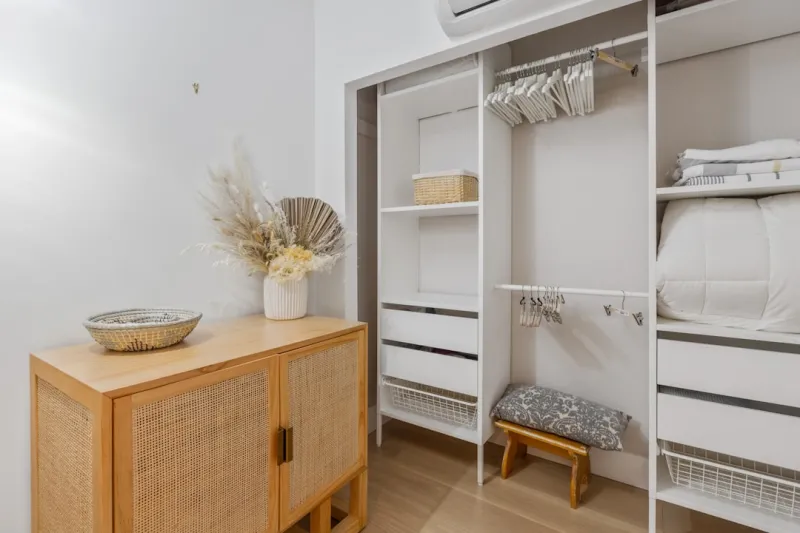
The Sustainable Closet: How Eco-Friendly Design Can Transform Your Storage Space
Discover the benefits of sustainable closet design and learn how to create a greener storage space w... Read More
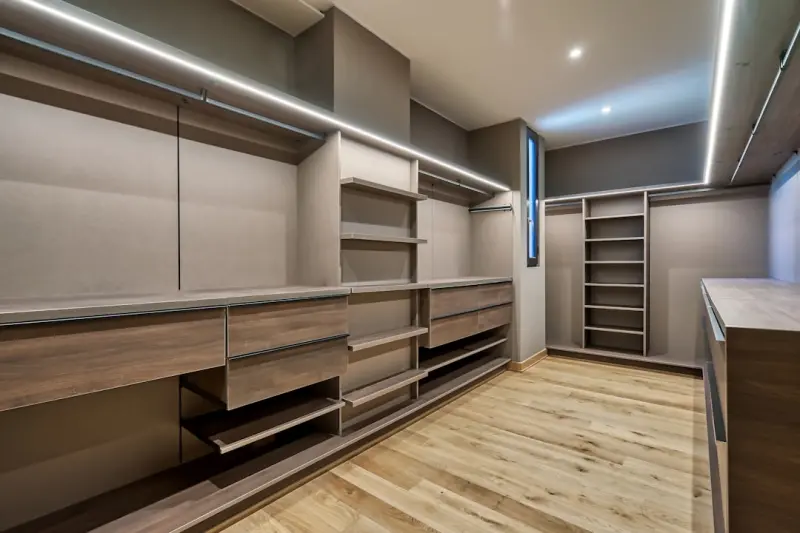
Modular Closet Solutions: Boosting Space Efficiency and Employee Well‑Being
A deep dive into why modular closet systems are the unsung heroes of workplace efficiency, improving... Read More
Top Posts

Self‑Healing Asphalt: Roads That Repair Themselves
Self‑healing asphalt uses microcapsules and polymer binders to automatically seal cracks, offering longer lifespan, lower maintenance costs, and environmental...Read More

The Hidden Engine of Handyman Success: Mastering Tool Hygiene
A disciplined approach to tool hygiene transforms a handyman’s reliability, cutting re‑work, boosting client trust, and creating a competitive edge—all wi...Read More

Sustainable General Contracting: Building Value with Purpose
Explore the evolving world of general contracting, where sustainable materials, design‑build collaboration, and cutting‑edge tech combine to create resilien...Read More

Building Homes That Withstand the Storm: A Practical Guide to Weather‑Resilient Construction
A comprehensive guide outlines foundation elevation, reinforced framing, advanced envelope systems, and smart technologies that together create homes capable of...Read More
0 Comments
Post Comment
You will need to Login or Register to comment on this post!