
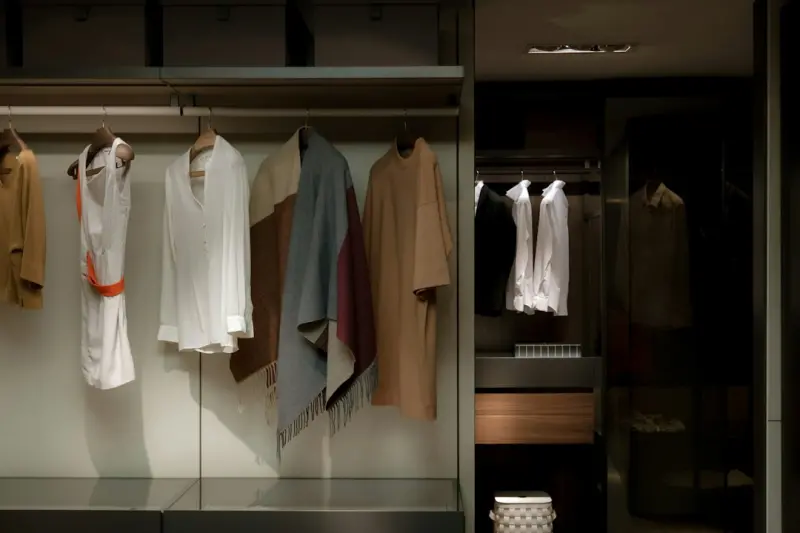
Why Your Closet Deserves a Tech‑Forward Upgrade
When I first moved into a compact city loft, my closet felt like a black hole. Every morning was a battle of reach‑and‑grab, and my favorite jackets vanished into the abyss of tangled hangers. That chaos sparked a personal mission: to treat the closet not as an afterthought, but as a dynamic, data‑driven space that can adapt to changing wardrobes, seasonal shifts, and even your daily rhythm. In this post I’ll walk you through the principles that turned my chaotic wardrobe into a sleek, responsive system—and show you how to apply the same logic to any storage challenge.
The Core Idea: Adaptive Modularity
Traditional closets are static—fixed rods, a handful of shelves, and a single shoe rack. The problem isn’t the lack of space; it’s the lack of flexibility. Adaptive modularity means each component can be re‑configured on the fly. Think of a set of interchangeable panels, sliding rails, and magnetic brackets that click together without tools. When you buy a new coat, you snap a deeper rod into place; when spring arrives, you swap out a shoe shelf for a hanging organizer. The system grows with you, not the other way around.
Designing for Flow, Not Just Storage
Every storage system should respect the way you move. I mapped my daily routine on a piece of paper: reach for work clothes, grab gym gear, then transition to evening wear. This simple exercise revealed three distinct zones: daily essentials, occasional items, and seasonal pieces. By zoning the interior, I eliminated the need to dig through piles. The result? A 30‑second dress‑up ritual that feels almost automatic. The secret isn’t more shelves—it’s a layout that mirrors your habits.
Materials That Play Nice With the Environment
While I’m passionate about technology, I also care deeply about sustainability. The newest wave of closet components uses reclaimed bamboo, recycled aluminum, and low‑VOC finishes. These materials not only look sophisticated, they also reduce the carbon footprint of your renovation. In my own setup, the vertical rails are made from reclaimed aircraft aluminum, giving a sleek, industrial look while reusing high‑strength material that would otherwise sit in a scrapyard.
IoT Integration Without the Gimmick
When we talk about “smart” closets, most people imagine voice‑controlled lights and hidden speakers. The real value lies in data‑driven organization. By embedding tiny weight sensors on shelves, the system can tell you when a bin is full, prompting a reminder to donate or reorder. Temperature and humidity probes protect delicate fabrics from moisture damage. All of this feeds into a simple mobile dashboard that shows you inventory at a glance—no more guessing whether you still have that winter coat.
Hidden Storage: Unlocking Unused Nooks
Most apartments have forgotten pockets: the space behind the door, the gap between the floor and the baseboard, even the void under a floating vanity. By using low‑profile sliding panels and magnetic latches, you can turn these voids into pull‑out drawers or concealed racks. I installed a narrow pull‑out shelf behind my bedroom door that now houses scarves and belts—items that used to clutter my dresser. The key is to keep the mechanisms slim and the finishes cohesive so the hidden compartments feel like a natural extension of the room.
Maintenance Made Easy
One of the biggest frustrations with modular systems is that they can feel fragile after repeated re‑configurations. To avoid that, I selected hardware with a tool‑free locking mechanism, similar to the system described in The Handyman’s Playbook for Preventive Maintenance that Saves Money. The brackets click into place with a satisfying tactile feedback, and a quick visual inspection each month ensures nothing has loosened. This proactive approach extends the life of every component.
Energy Efficiency Meets Closet Design
Believe it or not, your closet can impact the overall energy profile of your home. When you store winter coats in a well‑insulated, climate‑controlled compartment, you reduce the need for bulky layering, which in turn can lower heating demand. Conversely, a ventilated shoe rack prevents odors that might otherwise require extra air‑conditioning to clear. For those curious about the broader picture, Beyond the Meter: How Real‑Time Energy Inspection Is Rewriting Building Efficiency offers insight into how granular data can drive smarter energy use throughout the home.
Step‑by‑Step Build‑Out Guide
- Assess Your Space: Measure height, width, and depth. Identify any hidden nooks.
- Map Your Zones: Sketch daily, occasional, and seasonal zones. Allocate linear feet accordingly.
- Select Materials: Choose sustainable panels and durable hardware.
- Install Core Framework: Begin with vertical rails, then add adjustable shelves.
- Integrate Sensors: Place weight and humidity sensors where needed.
- Configure Hidden Drawers: Fit sliding panels into any unused gaps.
- Test Flow: Run through a full dress‑up cycle to ensure everything is within reach.
- Fine‑Tune: Adjust heights, add accessories, and set up your mobile dashboard.
Future‑Proofing Your Closet
Fashion trends change, but a well‑designed system should accommodate any shift. By keeping the core rail system intact and swapping out only the accessories, you can transition from a minimalist capsule wardrobe to a maximalist collection without a full remodel. Moreover, as sensor technology advances, you’ll be able to add new features—like RFID tagging for instant item lookup—without replacing the whole closet.
Wrapping Up: A Closet That Works for You
In the end, the goal isn’t just a tidy wardrobe; it’s a space that respects your time, your style, and the planet. By embracing adaptive modularity, sustainable materials, and subtle IoT integration, you can turn a cramped closet into a high‑performance storage hub. The next time you slide a hanger into place, you’ll feel the quiet efficiency of a system that was built to evolve with you.

Lifan Chen is a freelancer based in Toronto specializing in marketing. With expertise in crafting effective marketing strategies and campaigns, Lifan helps businesses grow their brand presence and reach target audiences. As a Toronto-based freelancer, Lifan combines local market insights with creative marketing skills to deliver tailored solutions for clients.
Related Posts

Seasonal Wardrobe Rotation: Turning Your Closet into a Year‑Round Organizer
Learn to transform a static closet into a flexible, seasonal storage solution that simplifies dressi... Read More
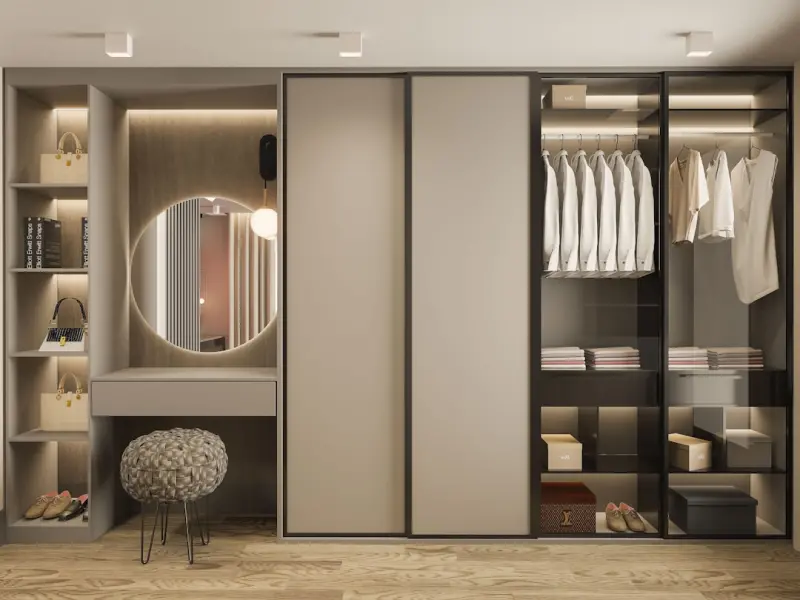
Smart Closet Design: Modular, Tech‑Enabled Solutions for Small Spaces
Transform cramped closets into sleek, modular systems with smart tech, vertical storage, and sustain... Read More
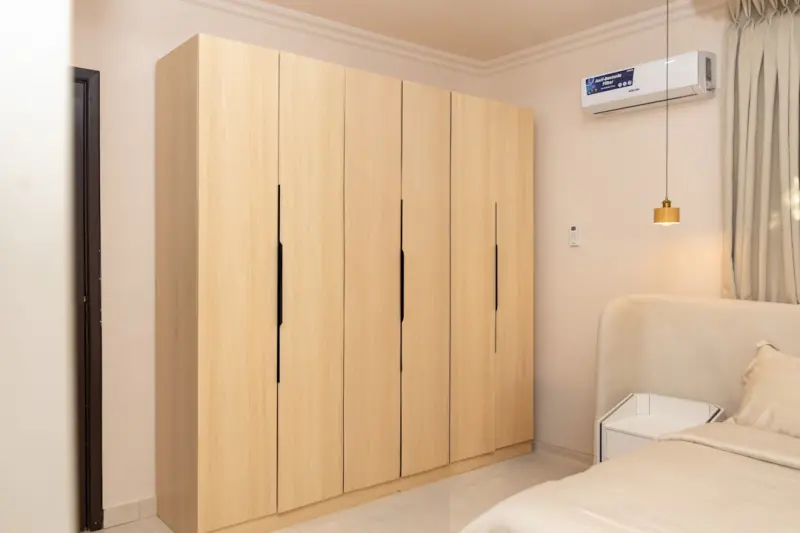
Beyond the Hangers: Crafting a Closet System That Works With Your Life
A deep dive into designing a functional, personalized closet that aligns with daily habits, seasonal... Read More
Top Posts

The Sustainable Awning Revolution: A Game-Changer for Eco-Friendly Homes
The sustainable awning revolution is a game-changer for eco-friendly homes. Learn about the environmental benefits, energy efficiency, and cost savings of susta...Read More

Why Subscription Handyman Services Are the Future of Home Maintenance
Subscription handyman services are reshaping home care by offering predictable pricing, proactive maintenance, and eco‑friendly practices, creating a seamless...Read More
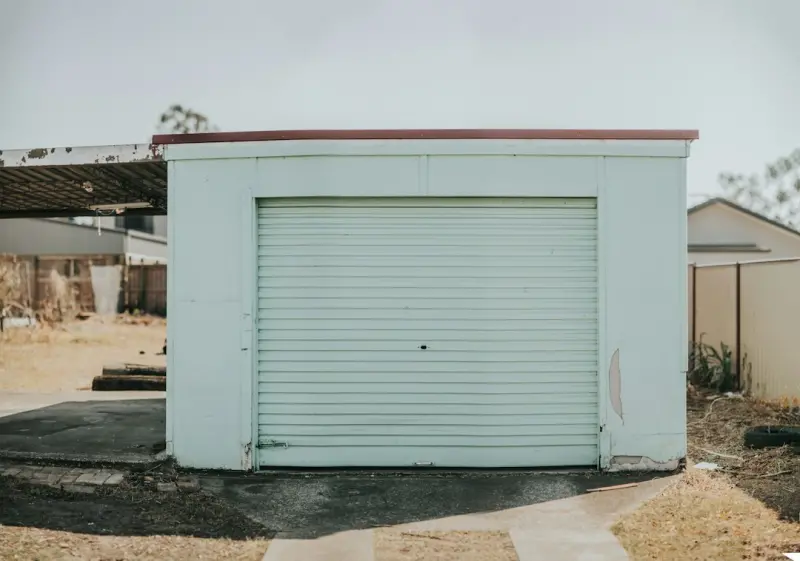
Turning Your Garage into a Future‑Ready Hub: Smart Design, Sustainability, and Flexibility
A modern garage can do far more than shelter a car. Learn how to construct a future‑ready garage that integrates EV charging, climate‑controlled work zones,...Read More
Breathing New Life into Historic Plaster Walls
Explore how to restore historic plaster walls, retain architectural heritage, and improve home comfort with proven methods, smart tools, and a craftsman's eye f...Read More
0 Comments
Post Comment
You will need to Login or Register to comment on this post!