

Why Your Garage Door Deserves More Than a “Just‑Close‑It” Attitude
Most homeowners think of the garage door as a utilitarian barrier—something that hides tools, cars, and the occasional stray soccer ball. I’ve spent enough time in both the workshop and the driveway to know that the door is actually the first impression for anyone pulling into your property. It’s also a surprisingly rich canvas for technology, design, and even a little bit of personal expression. In this deep‑dive, I’ll walk you through the latest ideas for turning that slab of steel or wood into a functional masterpiece that boosts security, quietness, curb appeal, and long‑term health.
The Evolution of the Garage Door: From Boxy to Boutique
Let’s take a quick trip down memory lane. In the ’70s and ’80s, the typical garage door was a plain, insulated steel panel that opened with a clunky chain‑drive. Fast forward a couple of decades, and you started seeing carriage‑style wood doors, faux‑brick facades, and even glass inserts. But the real revolution isn’t just about looks; it’s about how the door works. Modern operators now run on belt drives, screw drives, and even direct‑drive systems that are whisper‑quiet and energy‑efficient.
What’s fascinating is that this evolution mirrors the broader shift in home design: from “just functional” to “smartly beautiful.” The garage door, once a hidden workhorse, is now a showcase piece that can be customized as far as your budget and imagination allow.
Material Matters: Choosing the Right Skin for Your Door
When you’re deciding on a door, the material you pick is the foundation of the whole experience. Here’s a quick cheat‑sheet of the most popular options and the trade‑offs they bring:
- Steel: The workhorse of the industry. It’s strong, low‑maintenance, and offers a wide variety of finishes. Modern steel doors can be pre‑painted with high‑quality powder coats that resist chipping for years.
- Aluminum: Lighter than steel, making it a good fit for faster opening cycles. It’s also corrosion‑resistant, which is a boon in coastal climates, but it can dent more easily.
- Wood: The classic look that never goes out of style. It can be stained or painted to match any architectural style, but it requires regular sealing to fend off moisture and UV damage.
- Composite & Fiberglass: These hybrid materials combine the look of wood with the durability of metal. They’re especially appealing for homeowners who love the warmth of wood but want the low‑maintenance benefits of steel.
- Glass & Acrylic Panels: For a modern, airy feel, many manufacturers now integrate tempered glass or acrylic inserts. They let natural light flood the garage, making the space feel larger and more inviting.
Pick a material that not only matches the architectural language of your home but also aligns with the climate and your willingness to perform routine upkeep. A well‑chosen material can cut down on future maintenance headaches—something I’ll circle back to later.
Smart Mechanics: Quiet, Fast, and Secure
Gone are the days of waking up to a grinding chain that sounds like a freight train. Today’s door operators fall into three main categories:
- Belt Drive: Uses a reinforced rubber belt instead of a metal chain. The result is a smooth, near‑silent operation that’s perfect for homes with early‑morning coffee rituals.
- Screw Drive: A stainless steel screw turns to lift the door. It’s slower than a belt drive but excels in extreme temperatures, making it ideal for colder regions.
- Direct Drive: The motor sits directly above the door, eliminating cables or belts entirely. This design offers the quietest performance and the least moving parts—hence fewer things that can fail.
What’s more, many of these units now come equipped with built-in Wi‑Fi connectivity. You can pair the door with your smart home hub, get alerts when it’s left open, and even open or close it from your phone while you’re on the road. If you want to see an example of how garage spaces can become tech hubs, check out the transformation detailed in From Parking Spot to Power Hub.
Curb Appeal & Customization: Make the Door Part of Your Brand
Think of the garage door as the front door’s big, bold sibling. It’s an opportunity to add personality to an otherwise plain facade. Here are some design tricks that can elevate the curb appeal without breaking the bank:
- Color Coordination: Choose a hue that complements the main house color. A bold red or deep navy can create a striking contrast, while a muted gray or earth tone blends seamlessly.
- Window Inserts: Small, frosted or decorative windows break up the expanse of the door and add a touch of elegance. They also let a sliver of daylight into the garage, reducing the need for overhead lighting.
- Hardware Accents: Upgrading hinges, rollers, and the lockset to polished brass or matte black can instantly upgrade the door’s perceived quality.
- Lighting: Motion‑sensing LED strips along the perimeter or subtle uplighting under the eaves highlight architectural details after dark.
- Artistic Panels: Some manufacturers offer custom‑cut metal panels that can mimic classic patterns—think herringbone, colonial shutters, or even abstract art.
Remember, the goal isn’t to turn your garage into a billboard but to make the door feel like a purposeful extension of your home’s aesthetic language.
The Hidden Health of Your Door: Why Maintenance Isn’t Optional
Many homeowners treat garage doors like a “set it and forget it” appliance. The reality is that a door’s health can be a leading indicator of larger structural issues. A door that’s sluggish, noisy, or fails to seal properly can point to:
- Worn‑out rollers or springs that need replacement.
- Misaligned tracks that may cause the door to scrape the floor, damaging both the door and the garage surface.
- Weather‑stripping that’s deteriorated, leading to drafts and moisture intrusion.
Neglecting these signs can cause the door to become a safety hazard. A broken spring, for instance, can snap with enough force to cause serious injury. That’s why I recommend a bi‑annual check‑up—once in spring before you start loading the car with summer gear, and once in fall before you store the snow‑shovels and holiday décor.
Predictive Maintenance with Sensors: The Next Frontier
If you’ve read about how embedded sensors are reshaping structural integrity in Smart Foundations, you’ll see a natural extension to garage doors. Modern door operators can be retrofitted with vibration, temperature, and current sensors that monitor the health of the motor, springs, and even the tracks.
These sensors feed data into a cloud‑based dashboard that flags anomalies before they turn into a full‑blown failure. For example:
- Vibration spikes may indicate a spring losing tension.
- Current draw increases could mean the motor is working harder because the door isn’t balanced.
- Temperature rises might hint at friction in the rollers or a misaligned track.
When you get a notification—say, “Your garage door motor is drawing 20% more power than usual”—you can schedule a service before you’re stuck on the side of the road.
Integrating with Home Automation: From Convenience to Security
The modern smart home ecosystem thrives on interconnected devices, and the garage door is a prime candidate for integration. Here’s how you can get the most out of it:
- Geofencing: Your door can automatically close when you leave a predefined radius, ensuring you never forget to shut it after a quick errand.
- Video Doorbell Sync: Pair your door with a video doorbell so you receive a live feed whenever the door opens, letting you verify who’s inside before letting them in.
- Voice Control: With Alexa, Google Assistant, or Siri, you can say “Close the garage door” without pulling out your phone.
- Energy Management: If you’ve installed solar panels or a battery system, you can program the door’s motor to operate during off‑peak hours, saving on electricity costs.
These integrations aren’t just gimmicks; they tighten your home’s security loop and reduce the chance of human error—like forgetting to close the door after a late‑night trip to the hardware store.
DIY Upgrades and When to Call the Pros
There’s a satisfying sense of accomplishment in swapping out the old belt for a new one or adding a sleek LED strip. However, some tasks are best left to certified technicians—especially anything involving torsion springs. The reason is simple: the spring stores a massive amount of energy, and a mishandled release can cause severe injury.
That said, here are a few upgrades you can safely tackle yourself:
- Lubricate the rollers and tracks with a silicone‑based spray every six months.
- Replace worn weather‑stripping to improve insulation and prevent drafts.
- Install a smart keypad next to the door for guest access without handing out physical keys.
- Upgrade to a belt or direct‑drive system if you’re already comfortable with basic electrical work.
If you’re in doubt, remember the Mobile Repair Cart concept—think of it as a portable garage for the pros. A qualified technician can bring the tools and expertise right to your driveway, saving you the hassle of towing your car to a service center.
Future Glimpses: What’s Next for Garage Doors?
Looking ahead, a few emerging trends are poised to reshape the garage door landscape:
- Energy‑Harvesting Doors: Some experimental models embed piezoelectric materials that convert the door’s motion into small amounts of electricity—enough to power the motor’s sensor suite.
- Adaptive Insulation: While we’re steering clear of deep insulation talk, a thin, dynamically adjustable panel could modulate heat flow based on the season, reducing the garage’s impact on home HVAC loads.
- Modular Aesthetics: Snap‑on panels that allow homeowners to change the visual style of the door seasonally—think a sleek black panel in winter and a bright, summer‑ready hue in warmer months.
These ideas are still in the prototype stage, but they illustrate that the garage door is far from a static product. It’s a platform that can evolve alongside your home’s technology stack.
Conclusion: Your Garage Door as a Strategic Asset
When you treat the garage door as an afterthought, you miss out on a host of benefits—from improved curb appeal and quieter operation to predictive maintenance that can save you money and headaches. By selecting the right material, embracing smart mechanics, and integrating the door into your broader home automation ecosystem, you turn a simple barrier into a strategic asset that enhances security, aesthetics, and long‑term value.
Take a moment this weekend to inspect the rollers, listen for odd noises, and imagine how a fresh coat of paint or a subtle LED accent could change the look of your home. The door that once merely “closed the garage” can now open new opportunities for style, safety, and sustainability.

Craig Brett is a freelancer with a passion for the outdoors. His love for nature inspires his work, bringing authentic and engaging perspectives to projects related to outdoor activities, adventure, and environmental topics.
Related Posts
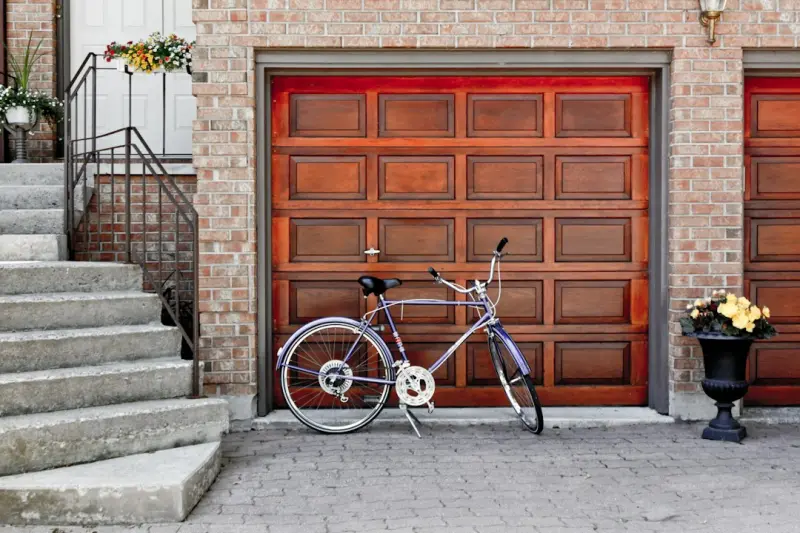
Opening Opportunities: The Real ROI of a Modern Garage Door
A garage door isn’t just a cover for your car; it’s a pivotal element that impacts energy use, s... Read More

The Evolution of Garage Doors: A Comprehensive Guide to Modern Solutions
Garage doors have undergone significant transformations over the years. Learn about the evolution of... Read More
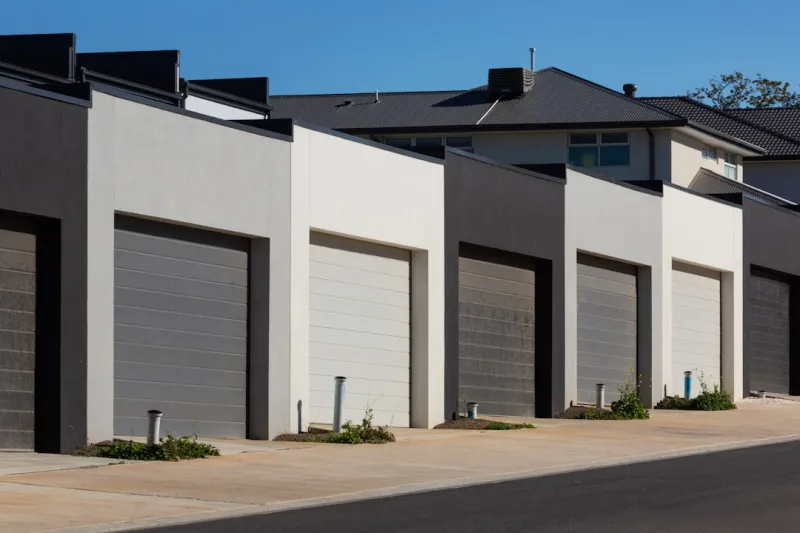
The Evolution of Garage Doors: How Sustainable Practices Are Changing the Game
The garage door industry is undergoing a significant transformation, driven by a growing demand for ... Read More
Top Posts
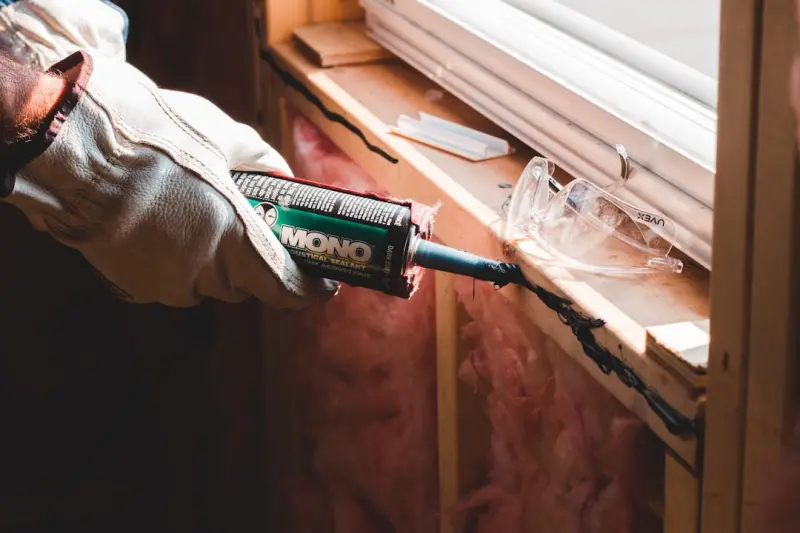
DIY Caulk Revival: A Homeowner’s Guide to Sealing Bathrooms and Kitchens
A practical, homeowner‑focused guide to removing old caulk, choosing the right sealant, and applying it flawlessly for lasting moisture protection....Read More

The Silent Menace: A Comprehensive Guide to Mold Removal and Prevention
Mold is a silent threat to your home and health. This guide from Lifan Chen breaks down everything from identification and safe removal techniques to essential ...Read More

Quiet Homes: Mastering Acoustic Comfort in Modern Construction
Learn the art of acoustic comfort—strategies for sound‑proof walls, flooring, and design choices that turn a bustling house into a tranquil retreat....Read More

The Importance of Foundation Repair in Sustainable Home Maintenance
Foundation repair is crucial for sustainable home maintenance. Learn how to prevent damage and ensure a greener future with eco-friendly materials and technique...Read More
0 Comments
Post Comment
You will need to Login or Register to comment on this post!