
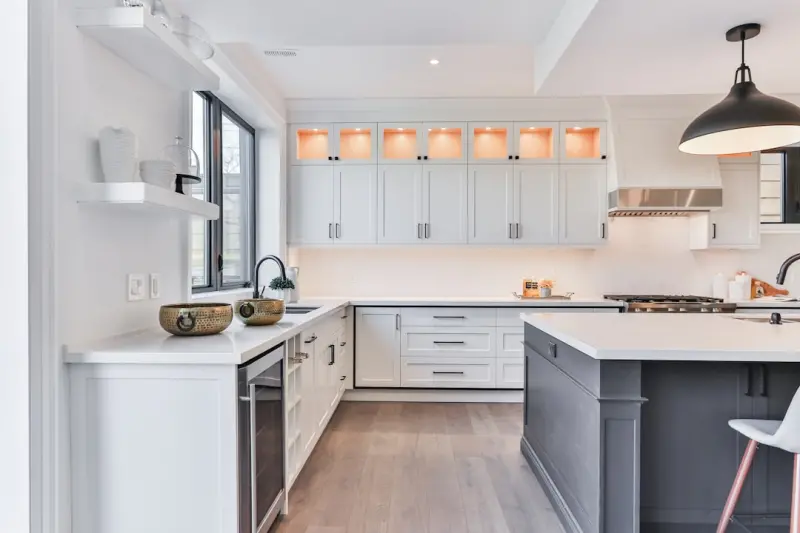
Why Kitchen Renovations Matter Beyond Aesthetics
When most homeowners talk about a kitchen remodel, the conversation usually circles around cabinets, countertops, and paint colors. But the kitchen is far more than a visual centerpiece; it’s the metabolic hub of a household, the place where nutrition, social interaction, and even mental health intersect. A thoughtful renovation can transform that space from a purely functional room into a wellness engine that fuels productivity, reduces stress, and supports sustainable habits. The trick is to step back from the “look‑good” checklist and ask, “What does this room need to work for my life today—and tomorrow?”
The Wellness Kitchen: Air, Light, and Sound
Modern research shows that indoor air quality, natural lighting, and acoustic comfort have measurable effects on mood and cognition. While commercial workspaces have been quick to adopt biophilic and acoustic strategies, residential kitchens are still catching up. Start by integrating a high‑efficiency, low‑noise range hood that not only extracts grease but also filters allergens and VOCs. Pair that with strategically placed skylights or wide‑angle LED fixtures that mimic daylight, and you’ll notice a subtle lift in energy levels during breakfast prep. Finally, consider acoustic wall panels or soft‑close drawer mechanisms to tame the clatter that often makes the kitchen feel chaotic.
Smart Waste Solutions: From Compost to Energy
Food waste is a silent budget buster and an environmental burden. A forward‑thinking kitchen remodel now includes a layered waste management system that separates organics, recyclables, and landfill waste at the source. Under‑counter compost bins with built‑in sensors can alert you when they’re full, while a compact, low‑emission waste‑to‑energy unit can turn scraps into heat for the water heater. This approach not only cuts grocery costs by encouraging smarter purchasing but also positions your kitchen as a micro‑hub for circular living.
AI‑Driven Storage: The Closet Inside Your Cabinet
Gone are the days of guess‑work when hunting for a spatula or a spice jar. Artificial intelligence now powers modular cabinet systems that learn your usage patterns. RFID‑tagged containers communicate with a central hub, suggesting where to place frequently used items for optimal reach and recommending re‑ordering of staples before you run out. The result is a kitchen that feels organized without you having to constantly re‑arrange shelves—a subtle yet powerful productivity boost.
Biophilic Touches Without Going Full Jungle
Bringing the outdoors in doesn’t mean you have to line every wall with moss. Simple, measurable touches—like a living herb wall, a narrow vertical garden, or reclaimed wood panels—can improve air quality and create a visual connection to nature. Pair these elements with natural stone backsplashes and muted earth tones to foster a calming environment that encourages mindful cooking. The key is balance: a splash of green that supports, not overwhelms, the functional flow of the kitchen.
Microgrid Ready: Preparing Your Kitchen for Energy Independence
With renewable energy becoming mainstream, many homeowners are curious about powering their homes with solar or wind. The kitchen, as one of the most energy‑intensive rooms, is an ideal candidate for microgrid integration. Install a dedicated inverter and battery storage that can handle high‑draw appliances like ovens and dishwashers. By segmenting kitchen loads, you can prioritize essential cooking functions during a grid outage, ensuring that family meals continue without interruption. This future‑proofing step also reduces reliance on utility‑scale power and can lower long‑term operating costs.
Materials That Age Gracefully
Trendy finishes often promise durability, but many fall short after a few seasons of heavy use. Opt for materials that develop character over time—think reinforced concrete countertops, which gain a patina, or high‑performance ceramics that resist staining while maintaining a sleek look. For flooring, consider engineered bamboo with a closed‑cell core; it’s resistant to moisture, warm underfoot, and environmentally responsible. When you choose components that improve with age, the kitchen remains fresh without the need for constant updates.
The Quiet Revolution: Acoustic Panels for the Heart of the Home
Most people don’t think about sound when renovating a kitchen, yet it’s a space where clattering pans, whirring appliances, and conversation blend into a constant hum. Acoustic panels, traditionally reserved for offices or studios, are now being adapted for residential kitchens. Install thin, moisture‑resistant panels behind the backsplash or on the ceiling to absorb excess noise without compromising style. The result is a kitchen where you can actually hear the sizzle of a sauté without the room feeling like a noisy factory.
Future‑Proofing the Layout for Changing Lifestyles
Family dynamics evolve—kids grow, remote work becomes permanent, and dietary preferences shift. A flexible layout anticipates these changes. Incorporate a movable island on lockable casters that can double as a home office station or a dining nook. Add a secondary prep zone with a built‑in sink and cutting board that can serve as a quick‑clean station for pet food or a small home‑brew setup. By designing with modularity in mind, you extend the functional lifespan of your kitchen and avoid costly re‑configurations later.
Integrating Data without Overload
Technology is a double‑edged sword. While it offers convenience, an excess of screens can feel intrusive. The solution lies in seamless data integration. A single, wall‑mounted touch panel can monitor energy usage, air quality, and inventory levels, displaying only the most critical alerts. Pair this with voice‑activated assistants that respond to simple commands like “Set the oven to 375 degrees” or “Order more olive oil.” By consolidating data into an intuitive interface, you keep the kitchen smart but not overwhelming.
A Practical Roadmap
Embarking on a kitchen renovation that embraces wellness, sustainability, and technology can feel daunting. Start with a needs audit: list daily pain points, future aspirations, and budget constraints. Next, prioritize upgrades that deliver the highest ROI—air filtration, smart storage, and energy‑efficient appliances. Then, select a contractor who understands both construction and integration of tech ecosystems. Finally, phase the work to minimize disruption—perhaps tackling the ventilation and lighting first, followed by cabinetry and finally the smart systems. This staged approach keeps the project manageable and ensures each upgrade builds on the last.
Final Thought
A kitchen remodel is no longer just a cosmetic upgrade; it’s an opportunity to redesign a space that nurtures the body, mind, and planet. By weaving in smarter waste handling, AI‑driven organization, acoustic comfort, and microgrid readiness, you create a kitchen that serves today’s needs while staying adaptable for tomorrow’s challenges. The result is a room that feels less like a chore zone and more like a personal wellness sanctuary—one that fuels your family’s health and creativity for years to come.
For deeper dives into related innovations, explore how interactive countertops are reshaping the culinary experience, and learn simple tricks to eliminate energy vampires that drain your kitchen’s efficiency.

Craig Brett is a freelancer with a passion for the outdoors. His love for nature inspires his work, bringing authentic and engaging perspectives to projects related to outdoor activities, adventure, and environmental topics.
Related Posts
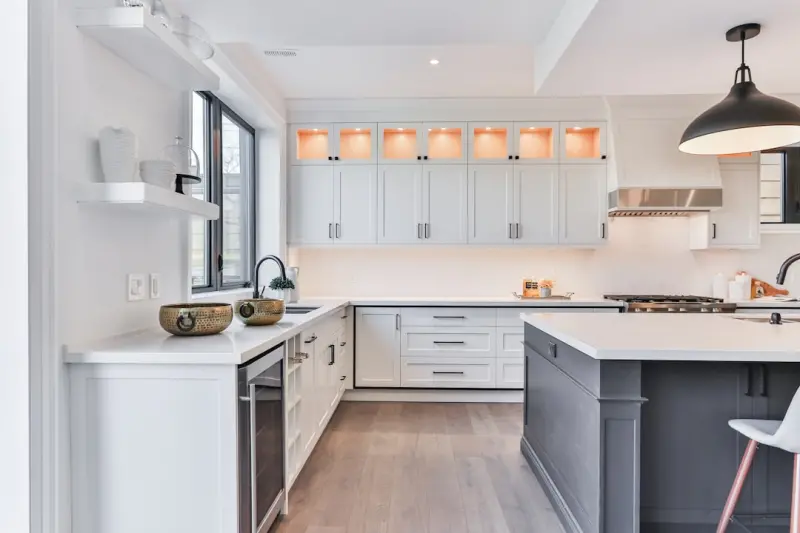
Quiet Kitchen Renovations: How Sound Design Transforms Your Cooking Space
Explore the art of quiet kitchen renovations, blending sound‑absorbing materials, biophilic design... Read More
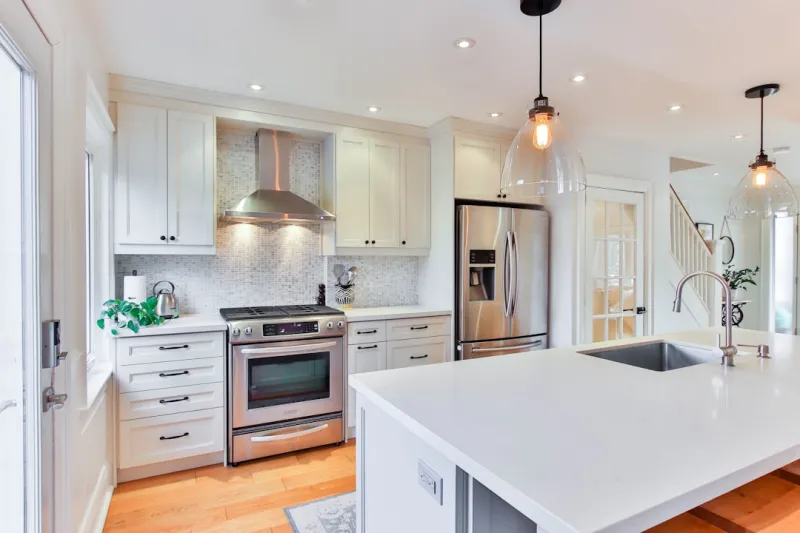
Embracing Sustainable Kitchen Renovations: A Guide to Eco-Friendly Upgrades
Learn how to create a sustainable kitchen with eco-friendly upgrades and materials. Discover the ben... Read More

From Blueprint to Bounty: Crafting a Sustainable Kitchen Renovation That Feels Like Home
Explore a step‑by‑step, sustainable kitchen renovation guide that blends modern design, smart te... Read More
Top Posts

When Your Fridge Starts Speaking: A Fresh Look at Appliance Repair
Learn how to shift from reactive fixes to proactive care, choose eco‑friendly repair partners, and use simple maintenance habits to extend appliance life and ...Read More

Sustainable Waterproofing: Green Solutions for Long‑Lasting Home Protection
Explore how eco‑friendly waterproofing can safeguard your home, lower your carbon footprint, and integrate with smart maintenance for lasting protection, all ...Read More

Seasonal Wallpaper Swaps: A Fresh Take on Transforming Your Home
Swap your walls with the seasons using clever wallpaper strategies—learn about materials, acoustic benefits, rental‑friendly tricks, and how to pair prints ...Read More

Restored Furniture: The Untapped Asset Fueling Authentic Brand Growth
Restoring furniture isn’t just about preserving the past; it’s a strategic move that enhances brand authenticity, sustainability, and revenue, turning each ...Read More
0 Comments
Post Comment
You will need to Login or Register to comment on this post!