
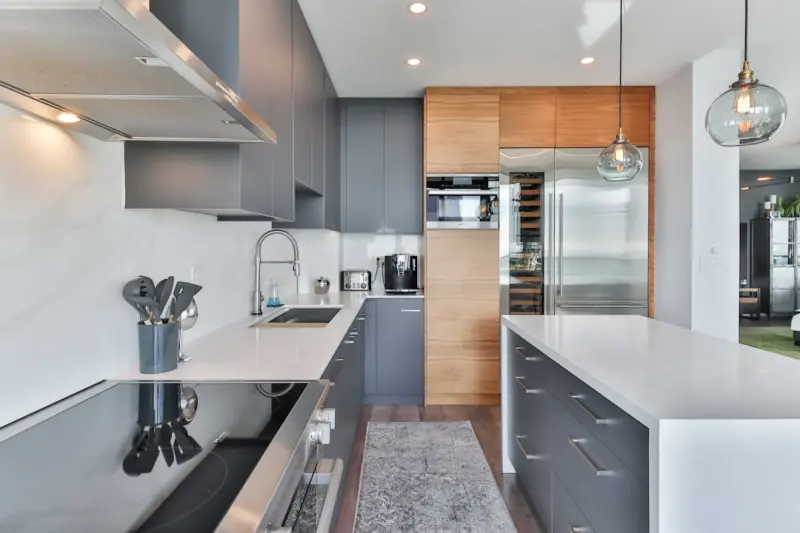
Why Wellness Matters in the Modern Kitchen
When the kitchen becomes a hub for family gatherings, meal prep, and daily rituals, its impact on health goes far beyond nutrition. Well‑being‑centric design addresses air quality, lighting, acoustics, and even the psychological cues that influence how we eat and interact. By treating the kitchen as a sanctuary for the senses, homeowners can turn a functional space into a restorative environment that supports both body and mind.
Air Quality: Ventilation and Materials That Breathe
Even the most delicious meals can leave lingering odors and airborne particles that compromise indoor air; a high‑performance range hood paired with strategically placed passive vents creates a constant flow of fresh air. Selecting low‑VOC paints, sealants, and cabinets reduces chemical off‑gassing, while natural stone or reclaimed wood surfaces allow walls to “breathe” without trapping pollutants. The result is a kitchen that feels airy, clean, and supportive of respiratory health, especially important for those with sensitivities.
Natural Light and Light Temperature: Shaping Mood
Sunlight is a natural mood‑enhancer; positioning work zones near large windows maximizes exposure to daylight, which regulates circadian rhythms and boosts alertness. When natural light is limited, layered lighting—ambient recessed LEDs, task‑oriented under‑cabinet strips, and warm‑tone pendant fixtures—recreates the spectrum of sunrise to sunset. Adjustable colour temperature controls let you shift from energizing cool light for prep to soothing warm light for dinner, creating an emotional rhythm that aligns with daily activities.
Biophilic Touches: Plants, Wood, and Stone
Integrating living elements brings a subtle, health‑promoting oxygen boost while softening hard surfaces. A few hardy herbs such as basil, rosemary, and mint double as fresh ingredients and natural air purifiers; hanging planters or a vertical garden wall adds greenery without sacrificing counter space. Pairing reclaimed timber countertops with river‑cut stone backsplashes introduces organic textures that lower stress, echoing the calming effect of nature within a modern culinary arena.
Smart Appliances for Healthier Cooking
Today's appliances are more than convenience tools; they actively contribute to healthier outcomes. Induction cooktops heat food faster and with precise temperature control, preserving nutrients that can be lost with traditional gas burners. Steam ovens, sous‑vide machines, and air‑fryers offer low‑fat cooking methods, while built‑in air quality sensors monitor humidity and VOC levels, alerting you when extra ventilation is needed.
Eco‑Friendly Surfaces that Support Well‑Being
Choosing sustainable finishes can improve indoor health while reducing environmental impact. Eco‑friendly drywall provides a non‑toxic substrate for walls, and low‑gloss, water‑based sealers on countertops prevent harmful leaching. For flooring, the mixed‑material flooring approach combines reclaimed wood with cork underlay, delivering a soft, antimicrobial surface that cushions footsteps and reduces noise reverberation.
Strategic Storage to Reduce Stress
Clutter is a silent stressor; smart storage systems keep essentials within reach while maintaining visual calm. Pull‑out pantry drawers, tiered spice racks, and deep‑draw cabinets with soft‑close mechanisms eliminate the frustration of rummaging through disorganized shelves. For a holistic view, reference the principles outlined in Designing a Kitchen That Works to ensure every zone flows intuitively, supporting a seamless cooking experience.
Sound Management for a Calmer Kitchen
Noise levels can spike during meal prep, creating a chaotic atmosphere that undermines relaxation. Acoustic ceiling tiles, insulated cabinet backs, and rubber‑coated drawer slides dampen clatter, while soft‑close hardware prevents sudden bangs. Adding a modest area rug or cushioned floor mat under high‑traffic zones further absorbs sound, turning the kitchen into a quieter, more contemplative space.
Putting It All Together: A Step‑by‑Step Wellness Renovation Plan
Begin with a health audit: assess ventilation, lighting, and material toxicity, then prioritize upgrades that yield the biggest wellness payoff. Next, select biophilic elements—plants, wood, stone—that align with your aesthetic and budget, followed by installing smart appliances and acoustic enhancements. Finally, reorganize storage using the ergonomic guidelines discussed, and fine‑tune lighting scenes to match daily routines. By approaching the remodel with a holistic, phased strategy, you create a kitchen that nourishes both body and spirit for years to come.

Paul Gray is a dynamic blogger based in Brampton, where he shares his life with his amazing wife, Sarah. Known for his engaging writing style and relatable insights, Paul has carved out a niche in the blogging world that resonates with readers from all walks of life. When he's not crafting captivating posts, you can find him savoring a cold beer or indulging in the latest blockbuster movie. With a friendly demeanor and a passion for storytelling, Paul brings a unique perspective to his work, making him not just a blogger, but a voice for those who appreciate the simple joys of life.
Related Posts
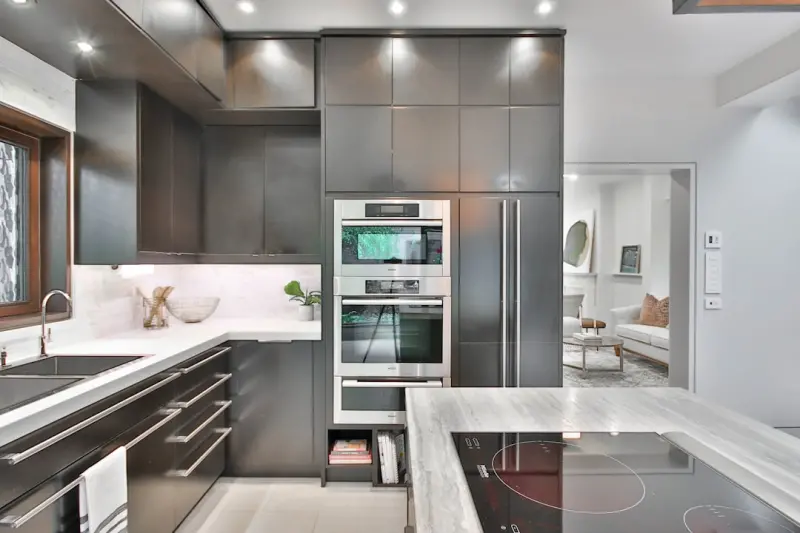
Turn Your Kitchen Into a Modular Cooking Lab for Endless Creativity
Explore a fresh take on kitchen renovations: modular islands, adaptable appliances, and smart storag... Read More
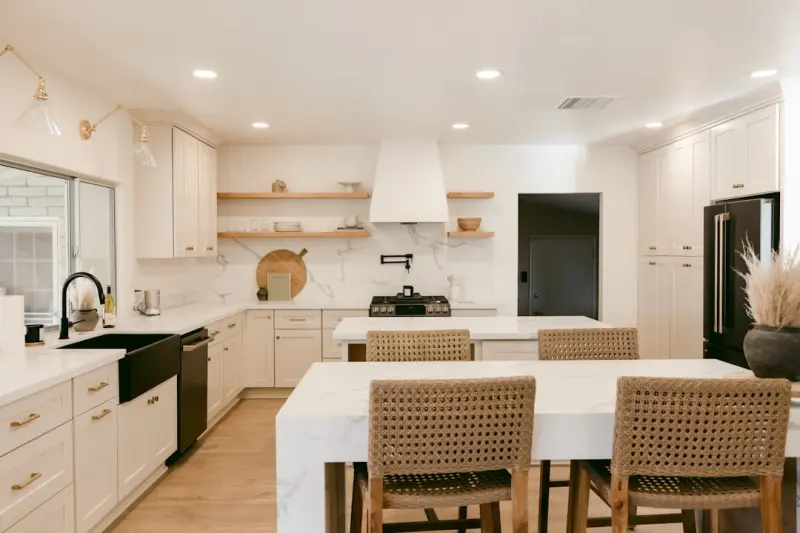
Designing a Kitchen That Nurtures Family Connection
A kitchen remodel isn’t just about style—it’s a chance to shape how families connect, eat, and... Read More

Designing a Kitchen That Feeds the Body and Soul
Discover how to turn a standard kitchen remodel into a holistic wellness hub by focusing on color ps... Read More
Top Posts

From Blueprint to Finish Line: How Contractors Can Streamline Project Timelines
Discover a contractor’s insider tactics for mastering project schedules, cutting downtime, and delivering builds on time, every time....Read More

Restoring Furniture: The Unexpected Catalyst for Workplace Innovation
Restoring old desks and chairs isn’t just a design choice—it’s a powerful cultural lever. Learn how hands‑on furniture makeovers spark collaboration, sh...Read More

Predictive Analytics: Transforming Property Maintenance for Smarter, Safer Homes
Learn how leveraging sensors, AI, and tenant portals turns routine upkeep into a proactive, cost‑saving system that enhances property value and resident comfo...Read More

Reimagining Urban Living: Adaptive Biophilic Architecture
Explore the power of adaptive biophilic architecture, turning dense urban environments into thriving, nature‑infused habitats that enhance wellbeing and susta...Read More
0 Comments
Post Comment
You will need to Login or Register to comment on this post!