
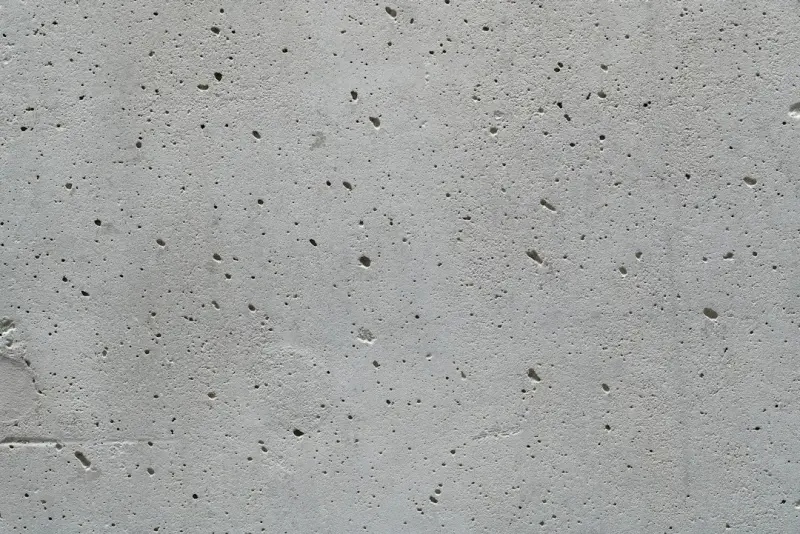
Concrete as the Unsung Backbone of Climate‑Ready Cities
When most people hear the word “concrete,” they picture gray slabs, endless construction sites, and the occasional traffic jam‑inducing pothole. For me, concrete is a living material—one that can adapt, heal, and even help cities bounce back from the increasingly volatile climate patterns we’re all feeling. My journey from a civil‑engineering graduate in Shanghai to a sustainability strategist for high‑rise projects has taught me that concrete isn’t just a static foundation; it’s a platform for innovation, resilience, and community well‑being.
The Climate Challenge: Why Concrete Needs a Makeover
Extreme heat, torrential rains, and sea‑level rise are no longer abstract forecasts. They’re happening now, and the built environment is paying the price. Traditional concrete mixes, while strong, often lack the flexibility to cope with rapid temperature swings or prolonged water exposure. Cracking, spalling, and corrosion of reinforcement are symptoms of a material that was designed for a world with different climate assumptions.
But instead of seeing these shortcomings as a dead‑end, I see them as a design brief: how can we re‑engineer concrete to thrive under the stressors of the 21st century? The answer lies in three intersecting strategies:
- Material Innovation: Incorporating supplementary cementitious materials (SCMs) like fly ash, slag, and natural pozzolans to reduce carbon intensity and improve durability.
- Structural Intelligence: Embedding sensors and fiber‑optic networks that monitor strain, temperature, and moisture in real time.
- Adaptive Construction Techniques: Leveraging prefabrication, modularity, and 3D printing to create components that can be swapped out or reinforced as conditions evolve.
Carbon‑Smart Binders: The First Line of Defense
One of the biggest criticisms of concrete is its carbon footprint—roughly 8% of global CO₂ emissions. The good news? The industry is already pivoting toward low‑carbon binders. My recent collaboration with a European concrete producer introduced a high‑volume fly‑ash blend that slashes cement content by 40% without compromising compressive strength. The result is a mix that not only emits less CO₂ during production but also gains strength over time as the pozzolanic reactions continue—a perfect fit for structures that need to endure decades of climate stress.
Beyond fly ash, researchers are experimenting with carbon capture and utilization (CCU) technologies that inject captured CO₂ directly into the concrete matrix, forming stable carbonate minerals. Think of it as a concrete that stores carbon rather than releases it. When paired with recycled aggregates from demolition waste, we create a truly circular material loop that turns “old” concrete into a fresh, high‑performance product.
Embedded Sensing: Turning Slabs into Data Hubs
Imagine a parking garage that can alert maintenance crews the moment a slab begins to flex under a sudden surge of water. Or a waterfront promenade that sends live humidity data to city planners, enabling proactive flood‑mitigation measures. This isn’t science fiction; it’s happening now thanks to intelligent duct hygiene solutions that pioneered the integration of low‑power sensors in building systems. By adapting the same sensor architecture to concrete, we create a networked foundation that speaks the language of the Internet of Things (IoT).
These sensors can track:
- Micro‑crack formation and propagation, enabling targeted repairs before a slab fails.
- Temperature gradients that signal heat‑island effects, informing urban planners where green roofs or reflective coatings are needed.
- Moisture ingress, crucial for coastal developments where saltwater intrusion accelerates corrosion.
When combined with AI‑driven analytics, the data becomes actionable intelligence: predictive maintenance schedules, optimized material usage, and even automated reinforcement activation using shape‑memory alloys embedded during casting.
Modular Concrete: Building for the Unknown
Prefabricated concrete panels have been around for decades, but the next generation is reconfigurable. Using large‑format 3D printers, we can produce interlocking concrete modules that snap together like LEGO bricks. These modules incorporate internal ducts for utilities, pre‑installed sensor arrays, and reinforcement channels that allow for later upgrades.
In practice, this means a school built on a floodplain can be elevated quickly by stacking additional modules, or a post‑disaster community can replace damaged sections with plug‑and‑play units without the need for extensive on‑site formwork. The modular approach also reduces waste—any unused components can be returned to the factory, recycled, or repurposed for other projects.
Thermal Mass Meets Smart Design
Concrete’s high thermal mass is a hidden gem for climate resilience. In hot climates, thick concrete walls absorb daytime heat and release it slowly at night, flattening indoor temperature swings. In colder regions, they store solar gains, reducing heating demand. The key is to pair this natural property with intelligent control systems.
Take the example of a mixed‑use tower where the lobby’s concrete floor is integrated with a radiant heating network. By linking this system to the building’s building resilience in a changing climate strategy, we can adjust heat output based on real‑time occupancy and external weather data, cutting energy use by up to 30% while maintaining occupant comfort.
When we combine thermal mass with responsive façades—think electrochromic glass that modulates solar gain—we create a building envelope that adapts autonomously, turning concrete from a passive slab into an active climate moderator.
Case Study: The Resilient Riverfront Revitalization
Last year, my team consulted on a 12‑acre riverfront redevelopment in a mid‑size U.S. city. The site was plagued by seasonal flooding and had a legacy of industrial concrete structures suffering from chloride‑induced corrosion. We approached the project with a three‑pronged concrete strategy:
- Durable Mix Design: We specified a low‑clinker cement blended with silica fume and ground‑granulated blast‑furnace slag, achieving a 25% reduction in CO₂ emissions and a 40% increase in chloride resistance.
- Embedded Monitoring: Fiber‑optic strain sensors were installed in critical bridge piers and retaining walls, feeding data to a city‑wide dashboard that flags anomalies in real time.
- Modular Flood Barriers: Prefabricated concrete modules with built‑in ballast were positioned along the waterfront. In anticipation of a flood event, these units can be hydraulically raised, forming an impermeable wall within minutes.
The outcome? During the most severe storm of the season, the modular barriers performed flawlessly, protecting over $200 million in property value. The sensor data captured minor stress changes that prompted a targeted repair, saving the city from a costly full‑scale rehabilitation.
From Heritage to Future: Learning from the Past
Historic masonry—think centuries‑old stone arches—has endured through wars, earthquakes, and climate shifts. There’s a lesson there for modern concrete: longevity comes from a deep understanding of material behavior over time. The article heritage walls as smart thermal assets highlighted how retrofitting old walls with discreet sensors unlocked new energy‑saving opportunities without compromising architectural integrity. By applying the same philosophy to new concrete structures, we can embed intelligence from day one, ensuring that our buildings remain functional, safe, and sustainable for generations.
Practical Steps for Architects, Engineers, and Developers
If you’re ready to champion climate‑ready concrete in your next project, here’s a concise roadmap:
- Specify Low‑Carbon Binders: Work with material suppliers to incorporate SCMs and explore CCU‑enhanced mixes.
- Integrate Sensors Early: Include sensor placement in the design phase to avoid retrofitting challenges.
- Adopt Modular Systems: Standardize dimensions for prefabricated modules to streamline logistics.
- Leverage Data Analytics: Partner with a tech provider that can translate raw sensor data into predictive maintenance insights.
- Plan for Adaptive Reuse: Design concrete elements that can be disassembled, recycled, or repurposed at the end of their service life.
These actions not only future‑proof your projects but also deliver measurable ROI through reduced maintenance costs, lower energy consumption, and enhanced occupant satisfaction.
Looking Ahead: The Concrete of Tomorrow
We stand at a crossroads where the built environment must either buckle under climate pressure or evolve into a resilient, intelligent ecosystem. Concrete, with its inherent strength and versatility, is uniquely positioned to lead that evolution. By embracing low‑carbon mixes, embedding smart sensors, and adopting modular construction, we transform a static slab into a dynamic, responsive platform—one that can sense, adapt, and even heal.
My hope is that every engineer, architect, and developer reading this sees concrete not as a problem to be mitigated, but as a solution waiting to be unlocked. The future of our cities depends on it.

Lifan Chen is a freelancer based in Toronto specializing in marketing. With expertise in crafting effective marketing strategies and campaigns, Lifan helps businesses grow their brand presence and reach target audiences. As a Toronto-based freelancer, Lifan combines local market insights with creative marketing skills to deliver tailored solutions for clients.
Related Posts
Concrete Trends and Sustainable Strategies for the Modern Home
Discover how modern concrete techniques blend durability with sustainability, from eco‑friendly mi... Read More

Concrete’s Secret Life: Waste‑to‑Strength Solutions
Concrete is evolving from a static, carbon‑heavy material to a sustainable, self‑healing, and da... Read More
Concrete’s Quiet Revolution: Sustainable, Smart, and Strong
Explore concrete’s evolution into a low‑carbon, smart, and resilient material that’s reshaping... Read More
Top Posts
Tile Mastery: From Subfloor Secrets to Future‑Proof Design
Learn insider tips on preparing subfloors, choosing durable tiles, mastering grout, and adding smart features to create a timeless, future‑ready tiled space....Read More

Invisible Wins: Small DIY Repairs That Save Money and Boost Comfort
Learn how simple, often overlooked fixes—from draft‑proofing doors to sealing drywall cracks—can dramatically improve comfort, reduce utility bills, and k...Read More

Turning Your Bathroom Into a Wellness Sanctuary Without Breaking the Bank
Discover a fresh approach to bathroom renovations that focuses on wellness, sustainability, and future‑proof technology, turning the space into a personal ret...Read More

Predictive Maintenance: Turning Data Into Property Longevity
A deep dive into how property managers can shift from reactive repairs to a predictive maintenance strategy, leveraging sensors, AI analytics, and integrated wo...Read More
0 Comments
Post Comment
You will need to Login or Register to comment on this post!