
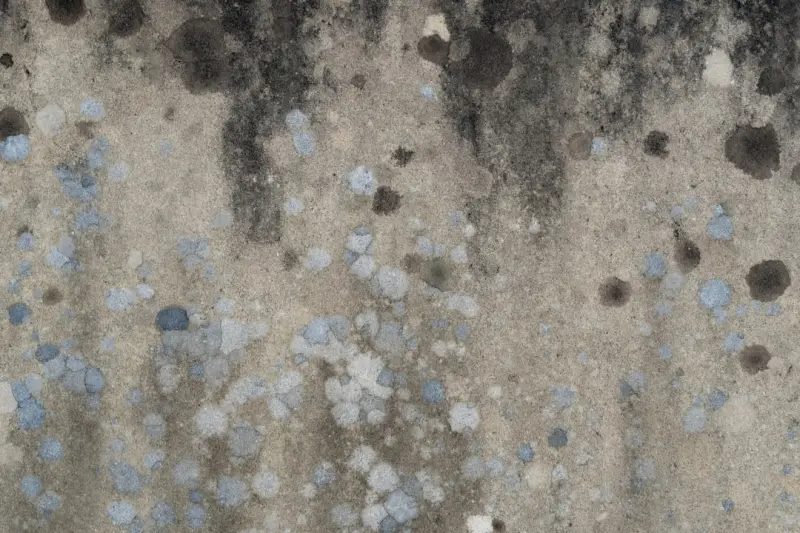
Why Mold Isn’t Just a Spot on the Wall
When I first noticed the faint, earthy perfume creeping through my apartment’s hallway, I dismissed it as a passing breeze, but the reality hit hard: mold was silently setting up shop, and its impact goes far beyond an unsightly stain. Mold spores infiltrate the air we breathe, aggravating asthma, triggering allergies, and even nudging our immune systems toward chronic inflammation, a fact that turns a simple cleanup into a health imperative. For renters, the situation is fraught with uncertainty because the lease often blurs the line between tenant responsibility and landlord duty, leaving many to wonder who should bear the cost of remediation. My own journey taught me that understanding the legal framework, combined with a proactive mindset, can transform a stressful invasion into an empowering victory. By the end of this article, you’ll be equipped with the knowledge to spot hidden mold, assert your rights, and execute quick DIY fixes that buy you time while the professionals sort out the larger problem.
Spotting the Silent Intruder Before It Spreads
Detecting mold early is a matter of vigilance; the tell‑tale signs are often subtle, like a persistent musty odor, a slight discoloration on bathroom tiles, or even condensation that refuses to evaporate on windows. While a casual glance might miss the faint black speckles behind a vanity, a simple “spoon test” – pressing a clean spoon against suspicious surfaces – can reveal hidden colonies that would otherwise remain unseen for months. I’ve learned that the most deceptive growths thrive in places we rarely consider, such as the undersides of appliances, behind baseboards, or within the voids of hollow‑core doors, where moisture accumulates from everyday activities like cooking and showering. By incorporating a routine inspection into your weekly chores, you not only safeguard your health but also preserve the integrity of your lease, as many landlords require tenants to report such issues promptly. This proactive approach aligns perfectly with the principles of routine property maintenance, turning a potential crisis into a manageable task.
Understanding Your Lease: Who Pays for the Cleanup?
The lease is the rulebook that determines whether mold remediation falls on the tenant’s shoulders or the landlord’s, and reading its fine print can be the difference between a smooth resolution and a legal battle. Most standard agreements state that tenants must keep the premises “clean and sanitary,” but they also obligate landlords to maintain a “habitably safe” environment, which includes addressing water intrusion and structural issues that foster mold growth. In my experience, a clause specifying “prompt reporting of water damage” is a powerful tool; once you notify the landlord in writing, you create a documented trail that protects you from future disputes over repair costs. If the lease is vague, state and local housing codes often step in, mandating that landlords rectify health hazards like mold within a reasonable timeframe. Knowing these nuances empowers you to negotiate effectively, request professional assessments, and, if necessary, involve a tenant‑rights organization to ensure that the remediation burden doesn’t unfairly fall on you.
Quick DIY Fixes to Contain the Situation
Before the professionals arrive, there are several safe, low‑cost steps you can take to halt mold’s advance and reduce exposure for everyone in the household. First, isolate the affected area by sealing it with plastic sheeting and using a dehumidifier to lower ambient humidity below 50%, a level that starves mold of the moisture it craves. Next, equip yourself with a N‑95 respirator, gloves, and goggles, then gently wipe away visible colonies using a solution of one part white vinegar to one part water; vinegar’s acidity neutralizes spores without the harsh fumes of bleach. For porous materials like drywall or carpeting, it’s best to remove and replace them, as deep‑seated spores can re‑ignite the problem later. I’ve also found that applying a thin coat of antimicrobial paint after cleaning provides an extra barrier, especially in high‑risk zones like bathrooms. These measures buy you time, reduce health risks, and demonstrate to your landlord that you’ve acted responsibly, a fact that can be crucial when negotiating remediation responsibilities.
When to Call in the Professionals
DIY methods are valuable, but there comes a point when mold has infiltrated hidden cavities, HVAC ducts, or structural components, requiring the expertise of certified remediation specialists. Signs that professional intervention is needed include rapid spreading despite your best efforts, a persistent odor that lingers after cleaning, or visible growth covering more than ten square feet. Certified firms employ industry‑standard protocols, such as containment barriers, negative air pressure machines, and HEPA filtration, to prevent spores from traveling to other rooms during the removal process. Moreover, they conduct moisture mapping and post‑remediation verification to ensure the problem is truly resolved, a service that most insurance policies and many landlord agreements recognize as the benchmark for “complete” remediation. By documenting the professional assessment and sharing the detailed report with your landlord, you solidify your case for any necessary repairs or rent adjustments, reinforcing the importance of a collaborative approach to a health‑critical issue.
Future‑Proofing Your Rental Against Mold Recurrence
Once the immediate threat has been neutralized, the next step is to implement strategies that keep mold from returning, a concern that often gets overlooked once the crisis subsides. Enhancing ventilation is key: install exhaust fans in kitchens and bathrooms, keep interior doors open when possible, and consider a portable air purifier equipped with a HEPA filter to continuously capture airborne spores. Sealing cracks around windows and doors, using silicone caulk in bathrooms, and ensuring that any leaks—whether from a faucet or a roof—are promptly repaired, forms a defensive barrier against moisture accumulation. These practices dovetail beautifully with the concepts outlined in future‑proof plumbing, where proactive maintenance and smart, sustainable solutions safeguard a home’s health over the long term. By integrating these habits into your daily routine, you not only protect yourself and future tenants but also demonstrate a level of stewardship that can positively influence lease renewal negotiations.
Documenting the Process: Your Best Defense
Throughout the mold removal journey, meticulous documentation serves as both a personal reference and a legal safeguard, ensuring that every step taken is recorded for future clarity. Start a digital log that includes dates of discovery, photos of affected areas before and after cleaning, copies of all communications with the landlord, and receipts for any supplies or services purchased. When you request a professional inspection, retain the written report, the scope of work, and any certifications the remediation team provides. This paper trail not only helps you track the effectiveness of your interventions but also equips you with concrete evidence should disputes arise over the condition of the property or the allocation of repair costs. In my own experience, landlords are far more willing to negotiate rent reductions or lease extensions when presented with a comprehensive, organized dossier that leaves no room for ambiguity.
Turning the Mold Battle into a Community Conversation
Finally, consider sharing your mold removal story with fellow renters, building managers, and online forums; collective awareness can drive broader change, prompting property owners to adopt stricter moisture‑control policies and encouraging tenants to act early. Hosting a small workshop in your building’s common area, where you walk neighbors through detection techniques, basic safety gear, and the importance of timely reporting, transforms a solitary struggle into a communal effort. By fostering an environment where mold awareness is part of the everyday dialogue, you help create healthier living spaces and reduce the stigma that often surrounds mold discussions. My own advocacy has led to a building‑wide inspection schedule, and tenants now feel empowered to speak up before minor leaks become major health hazards. This ripple effect underscores that mold removal isn’t just a one‑off fix—it’s an ongoing commitment to the well‑being of every resident, a principle that resonates deeply with the ethos of responsible home stewardship.

When it comes to the world of blogging and writing, Rose DesRochers is a name that stands out. Her passion for creating quality content and connecting with her audience has made her a trusted voice in the industry. Aside from her skills as a writer and blogger, Rose is also known for her compassionate nature.
Related Posts
Mold Removal Reinvented: IoT‑Driven Proactive Strategies
A data‑first approach to mold removal uses sensor networks, automated alerts, and envelope upgrade... Read More
The Silent Menace: A Comprehensive Guide to Mold Removal and Prevention
Mold is a silent threat to your home and health. This guide from Lifan Chen breaks down everything f... Read More
The Hidden Science of Mold Removal: A Homeowner’s Playbook
A detailed, step‑by‑step guide to identifying, removing, and preventing mold in residential spac... Read More
Top Posts

The Rise of Digital Twins in Architectural Design: Building Tomorrow’s Spaces Today
Digital twins are reshaping architectural practice by merging real‑time data with virtual models, allowing designers to test performance, enhance collaboratio...Read More

The Intersection of Lawn Care and Sustainable Living
Learn how to create a sustainable lawn care plan that promotes soil health, conserves water, and minimizes waste, and discover the benefits of sustainable lawn ...Read More

Crafting Your Own Outdoor Narrative: A Personal Journey with Awnings
Explore a fresh perspective on awnings—mixing personal style, sustainable design, and DIY confidence—to transform any outdoor space into a unique, comfortab...Read More

The Future of Tree Care: Data, Drones, and Decentralized Stewardship
A deep dive into how modern technology—drones, IoT sensors, and AI—is revolutionizing tree care, enabling proactive maintenance, cost savings, and integrati...Read More
0 Comments
Post Comment
You will need to Login or Register to comment on this post!