
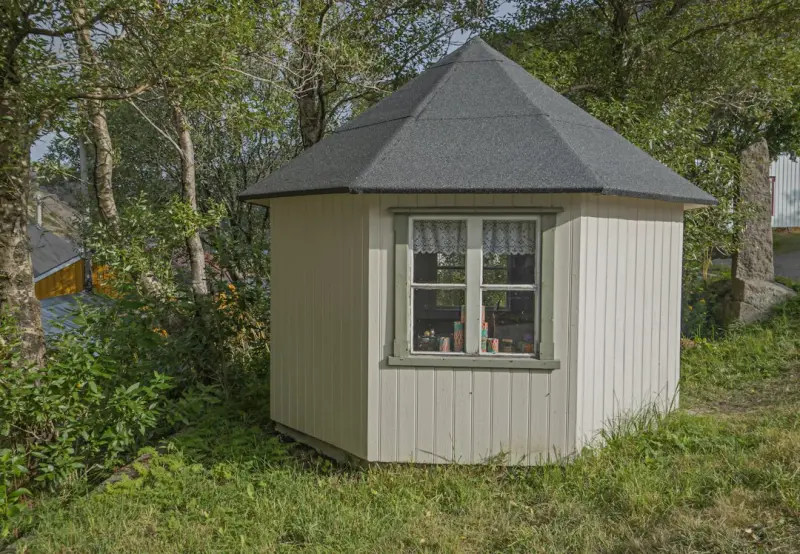
Why Outdoor Offices Are No Longer a Novelty
When the pandemic forced us to re‑evaluate the boundaries between work and home, many of us turned to the backyard for a breath of fresh air. The garden shed, once a place for tools and garden waste, suddenly became a quiet corner for Zoom calls, a sketchpad for ideas, or a makeshift studio for podcasts. This shift isn’t a fleeting trend; it’s an emerging cultural moment where outdoor structures like sheds and gazebos are being repurposed as legitimate work environments. Companies are even encouraging employees to claim a piece of their property as a “satellite office” to boost focus and creativity.
Design Principles for a Functional Shed
Transforming a simple storage unit into a productive hub isn’t just about slapping a desk against a wall. It requires a thoughtful approach that balances comfort, ergonomics, and resilience against the elements. Below are the core principles that should guide any conversion:
- Spatial Layout: Aim for a clear separation between “work zone” and “relaxation zone.” Even a modest 8 × 10‑foot footprint can accommodate a standing desk, a compact seating nook, and a small shelf for personal items.
- Insulation & Climate Control: While many sheds are built for ventilation, a well‑insulated structure paired with a low‑energy heating/cooling solution keeps the interior usable year‑round without turning it into a power‑guzzling monster.
- Acoustic Treatment: Wood naturally dampens sound, but adding a few acoustic panels or heavy curtains can drastically reduce outside noise and echo, creating a more professional audio environment for calls.
- Lighting Strategy: Blend natural daylight with adjustable LED fixtures. A skylight or high window brings in sunlight, while dimmable LEDs let you switch to a calm, focused glow after dusk.
- Power Infrastructure: Install a dedicated circuit with surge protection. A few strategically placed outlets—preferably USB‑enabled—keep laptops, phones, and small peripherals powered without a tangle of cords.
Tech Integration Without the Gimmicks
It’s tempting to over‑engineer a shed with every gadget under the sun, but the goal is a reliable, low‑maintenance workspace. A pragmatic tech stack includes:
- Robust Wi‑Fi: Position a weather‑proof router or a mesh node close to the structure to avoid dead spots. The signal should be strong enough for video conferences without resorting to bandwidth‑draining boosters.
- Device Charging Stations: A single wall‑mounted power hub keeps cords organized and reduces wear on plugs.
- Environmental Sensors: Simple temperature and humidity monitors can alert you when conditions drift outside comfortable ranges, prompting a quick ventilation adjustment.
For a deeper look at how data can streamline the upkeep of such spaces, see our guide on how data can drive property upkeep.
Materials That Age Gracefully
Choosing the right building material is crucial for longevity. While traditional timber sheds have charm, they require regular sealing and can warp in humid climates. Alternatives include:
- Engineered wood panels: Offer the aesthetic of natural wood with enhanced stability and resistance to moisture.
- Recycled steel frames: Provide a sleek, industrial look while standing up to wind and rain without rusting.
- Composite roofing: A blend of recycled plastics and wood fibers that resists algae and needs minimal maintenance.
These options align with a broader push for construction methods that reduce waste and simplify future upgrades, a philosophy echoed in our piece on the modular approach to building faster.
From Hobbyist to Hybrid Workspace
Many owners start with a hobby in mind—gardening, woodworking, or a small art studio—and gradually incorporate work tasks. The transition often follows a natural progression:
- Identify Core Activities: List the primary tasks you’ll perform. If most of your day involves a laptop and occasional calls, a desk and a power outlet become priorities.
- Assess Storage Needs: A hybrid space still needs to hold tools or supplies. Use vertical shelving to keep the floor clear for ergonomic movement.
- Introduce Comfort Elements: An ergonomic chair, a small rug, and a plant can turn a cold box into a welcoming environment.
When you start treating the shed as an extension of your primary office, you’ll notice a shift in mindset: you’re no longer “working from home” but “working from a purpose‑built outpost.” This psychological separation often leads to higher focus and fewer distractions.
Maintenance Strategies That Keep Your Outpost Running
Even the most thoughtfully designed shed requires ongoing care. A simple, scheduled maintenance plan can prevent costly repairs and keep the space functional year after year.
- Quarterly Inspection: Walk the interior and exterior to look for signs of water ingress, rust, or loose hardware.
- Sealant Refresh: Reapply weather‑proof sealant to doors, windows, and roof seams every 12‑18 months.
- Ventilation Check: Ensure vents are not clogged by leaves or debris, which can cause humidity buildup and mold.
- Technology Audit: Verify that routers, power strips, and sensors are operating correctly; replace any aging components before they fail.
These steps mirror the proactive philosophy outlined in modern handymen blend tools and technology, where routine data‑driven checks keep systems humming.
Future Trends: Pop‑Up Pods and Community Hubs
The evolution doesn’t stop at a single family‑owned shed. Communities are experimenting with shared outdoor work pods—small, prefabricated units that can be rented by freelancers or remote teams. These pods often feature:
- Lockable doors for security and privacy.
- Integrated solar panels that feed a modest battery, making the space off‑grid for short periods.
- Modular interiors that can be reconfigured for meetings, solo work, or collaborative brainstorming.
Such concepts hint at a future where neighborhoods host clusters of mini‑offices, reducing commute times and fostering local collaboration. The underlying technology remains simple—solar, battery storage, and modular construction—yet the social impact could be profound.
Balancing Aesthetics and Function
While function drives the design, aesthetics should not be an afterthought. A well‑designed shed can become a visual asset that enhances the surrounding landscape. Consider these styling tips:
- Color Coordination: Choose a hue that complements your home’s exterior palette; a muted olive or deep charcoal can blend seamlessly while still standing out.
- Landscape Integration: Plant low‑maintenance shrubs or ornamental grasses around the base to soften the structure’s footprint.
- Lighting Accents: Install low‑profile LED strips along the roofline for a subtle evening glow that adds curb appeal.
Measuring Success: What to Track
Finally, treat your outdoor office like any other business asset. Track key performance indicators to gauge its impact:
- Productivity Metrics: Compare output (tasks completed, hours logged) before and after moving to the shed.
- Well‑being Scores: Survey yourself or team members on focus, stress levels, and overall satisfaction.
- Cost Savings: Calculate reduced utility bills from a smaller, efficiently heated space versus a traditional home office.
When the numbers show a positive trend, you’ll have concrete proof that the shed isn’t just a novelty—it’s a strategic asset.
Conclusion: Embrace the Outpost Mentality
The humble shed and gazebo have graduated from storage closets to strategic workspaces. By applying disciplined design, smart yet uncomplicated technology, and regular maintenance, you can create an environment that fuels creativity, enhances focus, and adds value to your property. As remote work continues to reshape how we think about the office, the outpost mindset—where work meets the outdoors in a purposeful way—will become a defining feature of the modern professional landscape.

David MacKinnon is a dynamic freelance writer known for his captivating storytelling and keen insights into the world of technology. With a passion for exploring the intersection of innovation and everyday life, he crafts engaging narratives that not only inform but also inspire his readers.
Related Posts
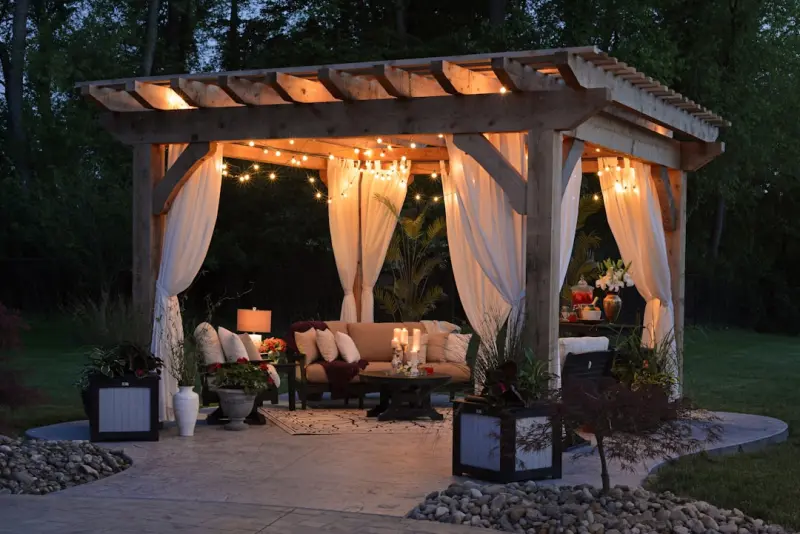
Reimagining Sheds and Gazebos as Creative Outdoor Outposts
Explore how to convert ordinary sheds and gazebos into multi‑purpose outdoor outposts for work, we... Read More

Why Sheds and Gazebos Are the Unsung Heroes of Modern Workplaces
Sheds and gazebos can be transformed into high‑performance micro‑offices, offering health benefi... Read More
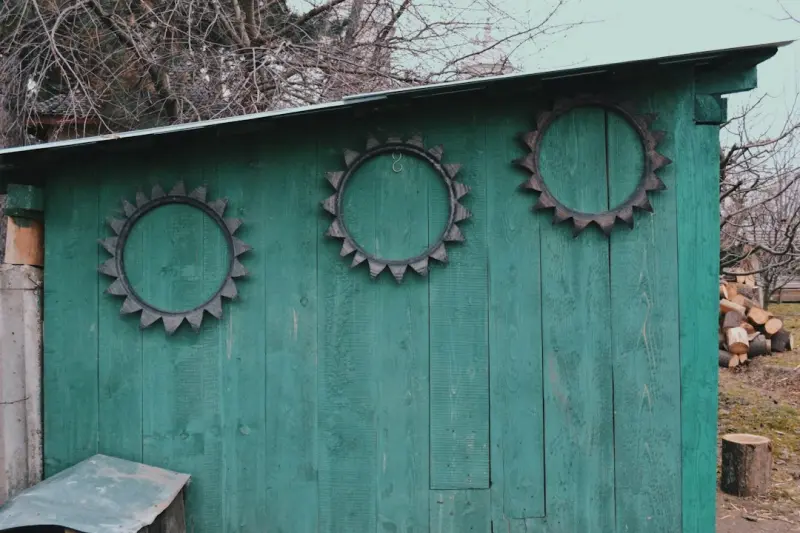
Micro‑Creativity Hubs: Turning Sheds & Gazebos into DIY Studios
Discover a step‑by‑step guide to converting a backyard shed or gazebo into a personalized studio... Read More
Top Posts

Strategic Renovation Checklist: Building Future‑Ready Spaces
A deep‑dive strategic renovation checklist that moves beyond a simple to‑do list, integrating vision alignment, system integration, sustainable materials, a...Read More
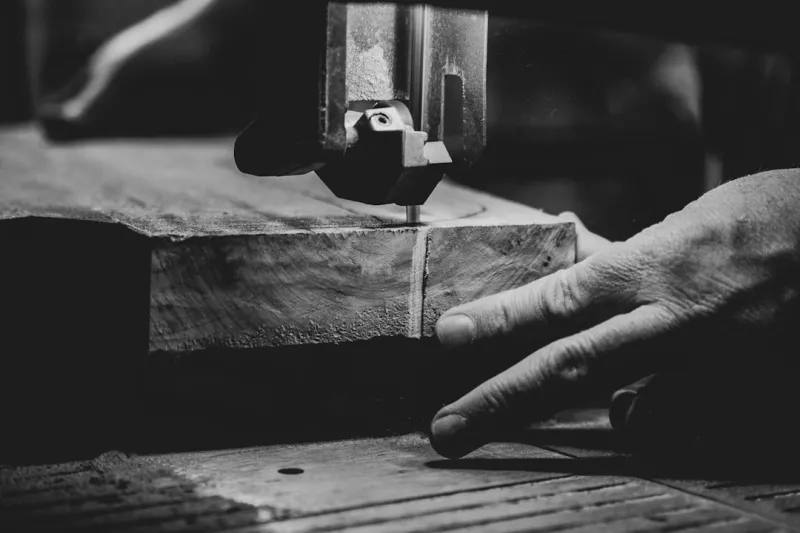
The Intersection of Woodworking and Sustainable Living
Woodworking and sustainable living are closely intertwined. By choosing sustainable materials, minimizing waste, and designing with sustainability in mind, wood...Read More

The Hidden Science of Mold Removal: A Homeowner’s Playbook
A detailed, step‑by‑step guide to identifying, removing, and preventing mold in residential spaces, featuring practical tools, airflow tips, and when to cal...Read More

Why Intelligent Gutters Are the Unsung Heroes of Building Performance
This post reveals how smart gutter technology transforms ordinary rainwater channels into proactive building assets, delivering cost savings, risk reduction, an...Read More
0 Comments
Post Comment
You will need to Login or Register to comment on this post!