
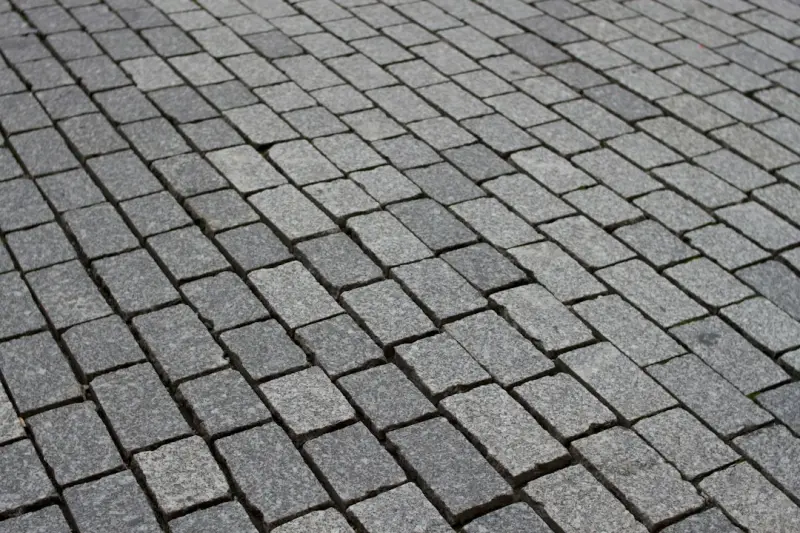
Why the Ground Beneath Your Feet Is the Next Innovation Hotspot
When I first walked onto a freshly laid stretch of permeable pavers at a client’s new campus, I felt something I hadn’t expected from a surface that is usually taken for granted: excitement. The subtle click of the interlocking modules, the faint scent of reclaimed rubber, and the faint glint of embedded sensors reminded me that paving isn’t just about getting from point A to point B—it’s about turning a static slab into a living, data‑rich platform.
The Hidden Potential of Pavement
For decades, pavement has been the silent workhorse of commercial real estate: durable, low‑maintenance, and—unfortunately—often overlooked as a strategic asset. Today, that narrative is shifting. Modern enterprises are looking at their walkways, loading docks, and parking lots as multifunctional ecosystems that can:
- Capture and filter stormwater while reducing runoff fees.
- Harvest kinetic energy from foot traffic to power low‑level lighting.
- Relay real‑time load data to maintenance teams, extending service life.
- Reflect heat to combat the urban heat island effect.
These capabilities are no longer “nice‑to‑have” experiments; they are becoming must‑have differentiators for companies that want to showcase sustainability, resilience, and tech‑savvy branding.
From Waste to Roadway: Circular Materials Are Changing the Game
One of the most exhilarating trends I’ve witnessed is the rise of circular pavement composites. Traditional asphalt and concrete rely heavily on virgin aggregates, but innovative suppliers now blend recycled plastics, reclaimed glass, and even spent coffee grounds into a high‑performance mix.
The benefits are threefold:
- Resource Conservation: Diverting waste from landfills reduces extraction pressures and cuts embodied carbon.
- Performance Boost: Certain recycled polymers improve flexural strength, making the surface more resistant to cracking under heavy equipment.
- Brand Storytelling: Imagine a lobby wall that proudly displays a plaque reading, “Our parking lot is built from 30% post‑consumer waste—because we believe the ground we walk on should be as responsible as the decisions we make above it.”
Companies that adopt these materials often see a 10‑15% reduction in lifecycle costs, thanks to fewer repair cycles and lower stormwater fees.
The Digital Layer Beneath Your Feet
Embedding sensors directly into pavers is the next logical step in turning a passive surface into an active data hub. These sensors can monitor:
- Temperature fluctuations for heat‑reflective coating optimization.
- Load intensity to predict when a loading dock may need reinforcement.
- Moisture levels to trigger smart drainage systems.
All this data streams into a centralized dashboard that aligns perfectly with the property maintenance insights many facilities teams already crave. The result? Maintenance crews receive predictive alerts—“Your south‑west loading dock will exceed design load in 42 days”—allowing them to schedule interventions before costly downtime occurs.
Climate‑Smart Paving Strategies
Urban heat islands have been a thorny issue for city planners, but a new generation of reflective and porous pavements is offering relief. By incorporating high‑albedo aggregates and engineered voids, these surfaces reflect up to 30% more solar radiation, lowering ambient temperatures and reducing cooling loads for adjacent buildings.
When paired with a smart irrigation control system, the porous network can also capture and slowly release rainwater, mitigating flash floods. The net effect is a cooler, drier micro‑climate that enhances employee comfort and reduces utility expenses.
Integrating Paving with Urban Mobility Hubs
As the gig economy fuels the rise of micro‑distribution centers, companies are rethinking the layout of their parking lots and curbside zones. Dynamic paving modules equipped with RFID readers can reconfigure themselves to accommodate:
- Electric‑vehicle charging stations that appear only when a vehicle arrives.
- Dedicated lanes for autonomous delivery robots.
- Pop‑up bike‑share docks that dissolve back into the pavement when not in use.
This flexibility not only maximizes real estate efficiency but also signals to employees and visitors that the organization is future‑ready.
The Business Case for Next‑Gen Pavement
Let’s talk numbers. A typical corporate campus with 5,000 sq ft of parking can save:
- $8,000–$12,000 annually on stormwater management fees by using permeable systems.
- $5,000–$7,000 on energy costs thanks to reflective surfaces reducing cooling demand.
- $15,000–$20,000 in avoided repair labor by leveraging predictive sensor data.
When you add the intangible brand equity—employees choosing a workplace that “walks the talk” on sustainability—the ROI becomes compelling. In fact, firms that publicize their smart paving initiatives often see a 3–5% uptick in talent attraction metrics during recruitment cycles.
Practical Steps for Forward‑Thinking Facilities Teams
If the idea of turning your pavement into a smart, circular asset feels overwhelming, start small:
- Audit Your Existing Surface: Identify high‑traffic zones where upgrades would deliver the greatest impact.
- Partner With a Specialist Supplier: Look for vendors who offer pre‑engineered, sensor‑ready paver modules.
- Integrate With Your FM Software: Ensure the data feeds into the same platform you use for HVAC, lighting, and security.
- Pilot a Micro‑Project: Convert a single loading dock or employee bike‑rack area first, gather performance data, and build a case for broader rollout.
- Communicate the Change: Use signage, internal newsletters, and social media to highlight the sustainability story—employees love to walk on a surface that’s doing good.
By treating the pavement as a strategic layer rather than an afterthought, you’ll unlock cost savings, operational resilience, and a fresh narrative for your corporate sustainability report.
Looking Ahead: The Pavement of Tomorrow
Imagine a world where the very act of parking a car triggers a micro‑grid: the vehicle’s battery shares power with nearby lighting, the pavers sense the weight and adjust drainage valves, and a cloud‑based AI predicts when the next rainstorm will stress the surface. That vision is no longer sci‑fi—it’s emerging in pilot programs across forward‑looking campuses.
For those of us who have spent a career turning “boring” infrastructure into compelling stories, the evolution of paving feels like a natural progression. The ground is finally getting the respect it deserves, and the data it generates is set to become as valuable as any rooftop solar array.
Conclusion: Step Into the Future
When you stand on a modern paver today, you’re not just standing on concrete or asphalt—you’re standing on a platform of innovation, sustainability, and intelligence. By embracing circular materials, embedded sensors, and climate‑smart designs, you can transform a routine surface into a strategic asset that drives savings, enhances employee experience, and showcases your organization’s commitment to a resilient future.

When it comes to the world of blogging and writing, Rose DesRochers is a name that stands out. Her passion for creating quality content and connecting with her audience has made her a trusted voice in the industry. Aside from her skills as a writer and blogger, Rose is also known for her compassionate nature.
Related Posts

Designing Sustainable Paving: From Permeable Paths to Smart Surfaces
A fresh look at paving that blends sustainability, design, and smart tech, offering practical steps ... Read More
Harvesting Steps: How Energy‑Generating Pavement Is Powering the Next Urban Grid
Modern paving is evolving from a passive surface to an active, energy‑producing, data‑rich platf... Read More

When Pavement Talks: How Sensor‑Embedded Roads Are Changing the Way We Build Cities
Sensor‑embedded pavement turns ordinary roads into continuous data sources, enabling predictive ma... Read More
Top Posts

Turning Snow Removal Into a Community Celebration
Learn to transform snow removal from a solitary chore into a community‑building ritual with smart tools, health tips, and eco‑friendly de‑icing strategies...Read More

Invisible Wins: Small DIY Repairs That Save Money and Boost Comfort
Learn how simple, often overlooked fixes—from draft‑proofing doors to sealing drywall cracks—can dramatically improve comfort, reduce utility bills, and k...Read More

Reviving Your Lawn with Soil Superheroes: A No‑Chemist’s Guide to a Greener Carpet
Learn how to build a thriving, chemical‑free lawn by prioritizing soil microbes, native grass selection, smart watering, and simple ecosystem enhancements....Read More

Electrifying the Future: Edge AI’s Role in Smarter Power Management
Edge AI is reshaping electrical design and operations, offering real‑time power quality monitoring, predictive energy savings, and seamless integration with b...Read More
0 Comments
Post Comment
You will need to Login or Register to comment on this post!