
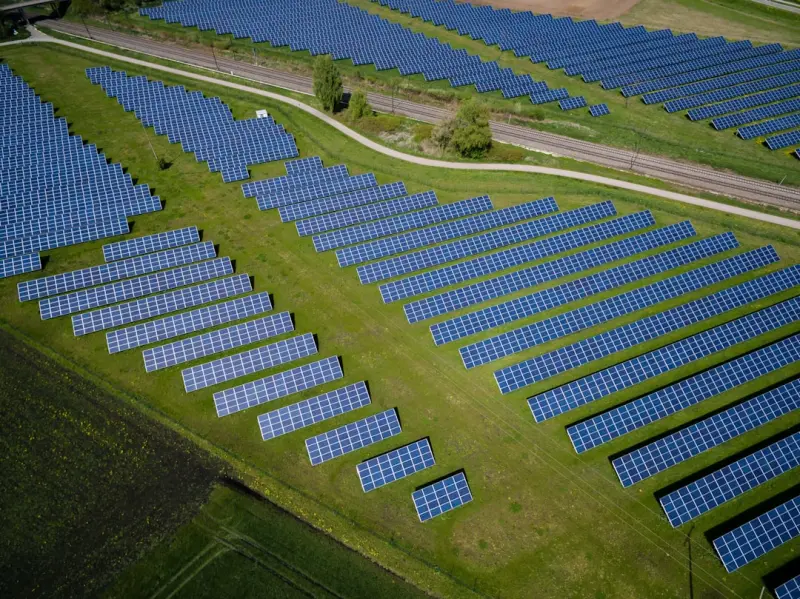
When I first stood on a rooftop bathed in the late‑afternoon sun, I realized the panels weren’t just a power source—they were a new kind of building asset. Solar energy has moved beyond the realm of “green” add‑ons and is now a strategic lever for real estate operators, facility managers, and investors seeking resilience, cost control, and a competitive edge.
Why Solar Is No Longer a Niche Upgrade
Historically, solar installations were seen as optional upgrades for eco‑conscious owners or as a way to meet regulatory mandates. Today, three forces have converged to make solar a core component of a building’s financial and operational strategy:
- Energy price volatility: Grid electricity costs swing dramatically with market dynamics, making predictable, on‑site generation a hedge against budget overruns.
- Regulatory incentives: Tax credits, net‑metering rules, and emerging zero‑carbon building codes reward on‑site generation and penalize heavy reliance on the grid.
- Data integration: Modern building management systems (BMS) can now ingest solar output in real time, optimizing HVAC, lighting, and storage to squeeze every kilowatt‑hour.
These drivers are reshaping the decision matrix for owners who once evaluated solar solely on upfront capital costs. The conversation now includes return on real estate assets, risk mitigation, and tenant experience.
Solar as a Revenue‑Generating Asset
Beyond cost avoidance, solar can create direct revenue streams. Consider these models:
- Power Purchase Agreements (PPAs): Tenants or third‑party investors agree to buy electricity at a fixed rate, providing the building owner with a predictable cash flow while off‑loading the capital expense.
- Energy‑as‑a‑Service (EaaS): Companies install, operate, and maintain the solar array, charging the building owner a subscription fee that includes maintenance and performance guarantees.
- Grid Services: Aggregated solar assets can participate in demand‑response programs, frequency regulation, or ancillary services markets, earning additional income for the property.
Each model repositions solar from a line‑item expense to an income‑generating platform, aligning with the broader shift toward “asset‑centric” real‑estate portfolios.
Integrating Solar With Building Data Platforms
The real power of solar lies in its ability to feed high‑resolution data into a building’s digital twin. By coupling generation metrics with consumption patterns, operators can:
- Identify peak demand windows and shift non‑critical loads to solar‑rich periods.
- Fine‑tune HVAC set points using insulation performance insights alongside solar output.
- Predict battery storage needs with machine‑learning models that factor in weather forecasts and historical generation trends.
When a building’s BMS knows that the roof will produce 150 kW in the next hour, it can pre‑cool zones, dim lighting, or schedule equipment cycles to maximize self‑consumption, reducing reliance on expensive grid imports.
Microgrids: The Next Evolution for Commercial Campuses
Large office parks, mixed‑use developments, and university campuses are increasingly adopting microgrid architectures. A microgrid stitches together solar arrays, battery banks, backup generators, and sometimes even wind turbines into a self‑contained energy ecosystem.
Key benefits include:
- Resilience: During grid outages, the microgrid isolates itself and continues to power critical loads, protecting tenants and preserving business continuity.
- Optimized Economics: By intelligently dispatching stored solar energy, the microgrid can avoid peak‑demand charges, a major cost driver for commercial properties.
- Carbon Transparency: Operators can report precise renewable energy consumption to tenants seeking ESG credentials, enhancing lease attractiveness.
Building a microgrid requires careful coordination of power electronics, control algorithms, and regulatory compliance, but the payoff is a future‑proofed energy backbone that can evolve as technology advances.
Designing Solar‑Ready Roofs From the Ground Up
Many property owners retrofit solar onto existing roofs, confronting structural limitations, shading issues, and mounting complexities. A smarter approach is to embed solar readiness into the design phase:
- Structural Load Planning: Engineers calculate the roof’s load‑bearing capacity early, ensuring it can support future panel arrays without costly reinforcements.
- Orientation and Pitch Optimization: By aligning roof planes toward the sun’s path, designers maximize annual energy yield without relying on costly tracking systems.
- Integrated Wiring Pathways: Conduits and junction boxes are pre‑installed, reducing labor and disturbance during later solar deployment.
This proactive mindset mirrors the approach described in the home additions guide, where flexibility and future scalability are baked into the blueprint.
Financing Solar at Scale: From Debt to Equity Partnerships
Traditional project finance for solar involves senior debt, which can be onerous for property owners with already leveraged balance sheets. Emerging financing structures provide alternatives:
- Green Bonds: Investors purchase bonds earmarked for renewable projects, offering lower interest rates tied to verified ESG outcomes.
- Equity Joint Ventures: A solar developer takes an equity stake in the installation, sharing both risk and upside, while the property owner enjoys reduced capital outlay.
- Tax Equity Partnerships: Specialized investors leverage tax credits and depreciation benefits, providing cash to the project in exchange for a portion of the tax benefits.
These mechanisms enable larger portfolios—think multi‑site office complexes—to achieve economies of scale and accelerate solar adoption without straining cash flow.
Regulatory Landscape: Navigating Incentives and Compliance
Every jurisdiction offers a distinct mix of incentives, interconnection standards, and reporting requirements. Staying ahead requires a systematic approach:
- Maintain an inventory of local net‑metering policies and feed‑in tariffs.
- Track federal and state tax credits, ensuring they are claimed before sunset dates.
- Implement a compliance dashboard that logs performance data, facilitating audit readiness and ESG reporting.
Failing to capture available incentives can erode the economic case for solar by as much as 20 %.
Future‑Proofing: From Bifacial Panels to Perovskite Hybrids
The technology curve for photovoltaics continues to steepen. Bifacial modules, which capture sunlight on both sides, can boost yields by 10‑20 % on reflective roofs. Emerging perovskite‑silicon tandem cells promise efficiencies beyond 30 % in laboratory settings.
While early adopters may wait for proven performance, savvy owners can design mounting systems that accommodate panel upgrades, preserving structural integrity and wiring pathways for future swaps.
Case Study: A Multi‑Tenant Office Park Turns Solar Into a Competitive Differentiator
Consider a 250,000‑square‑foot office park in a sun‑rich region. The owner pursued a hybrid financing model: a 30‑year PPA covering 75 % of the roof, paired with a battery storage system sized for three hours of peak demand.
Results after the first full year:
- Energy cost reduction of 42 % versus baseline grid rates.
- Eligibility for a regional green‑building certification, attracting three new tenants with ESG mandates.
- Participation in a demand‑response program that generated $150,000 in ancillary revenue.
This example illustrates how solar can be woven into a broader value‑creation narrative, not just a sustainability checkbox.
Actionable Checklist for Building Leaders
Ready to embed solar into your portfolio? Follow this step‑by‑step checklist:
- Audit Energy Consumption: Identify peak demand periods and assess current utility rate structures.
- Evaluate Roof Suitability: Conduct structural, shading, and orientation analyses.
- Define Business Objectives: Are you chasing cost savings, ESG goals, revenue streams, or resilience?
- Select a Financing Model: Match objectives to the appropriate debt, equity, or hybrid structure.
- Partner With an Integrated Provider: Choose a firm that can handle design, permitting, installation, and ongoing performance monitoring.
- Integrate With BMS: Ensure real‑time solar data flows into your building’s control systems.
- Secure Incentives: File for tax credits and rebates early in the project timeline.
- Plan for Future Upgrades: Design mounting and wiring for panel replacement or technology refresh.
- Monitor and Optimize: Use analytics dashboards to track performance, adjust load schedules, and participate in grid services.
By treating solar as a strategic asset rather than a retrofit project, building owners can unlock hidden value, bolster resilience, and position their properties at the forefront of the energy transition.
Solar isn’t just a roof‑top trend—it’s a data‑driven platform that redefines how we think about building performance. The next wave of commercial real estate will be measured not only in square footage but in kilowatts of clean, controllable power.

David MacKinnon is a dynamic freelance writer known for his captivating storytelling and keen insights into the world of technology. With a passion for exploring the intersection of innovation and everyday life, he crafts engaging narratives that not only inform but also inspire his readers.
Related Posts

Solar Energy as a Strategic Infrastructure Layer for Modern Enterprises
Solar isn’t just about saving on electricity bills—it can serve as a core infrastructure element... Read More
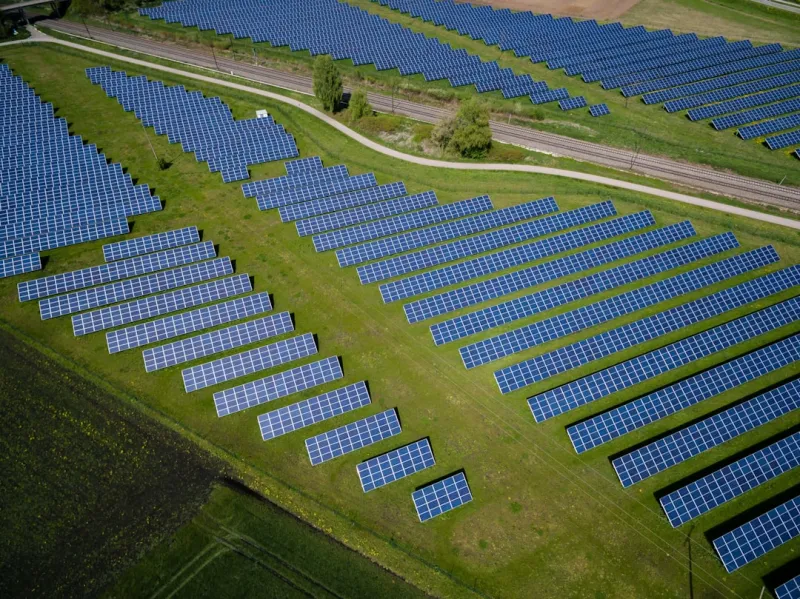
The Rise of Solar Energy: A New Era in Renewable Power
Solar energy is playing an increasingly important role in the transition to a more sustainable futur... Read More

Solar Energy Unleashed: A Homeowner’s Blueprint for Real Savings and Resilience
A practical guide that shows homeowners how to integrate solar panels, storage, and smart tech to sl... Read More
Top Posts

Smart Fencing: Turning Boundaries Into High‑Value Assets
Explore the rise of smart fencing—how IoT sensors, solar‑integrated panels, and self‑healing materials transform traditional fences into secure, energy‑...Read More

Why Construction Permits are the Hidden Engine of Project Speed
A deep dive into how smarter permitting—through cloud platforms, AI predictions, and integrated data—can shave weeks off construction timelines and boost pr...Read More
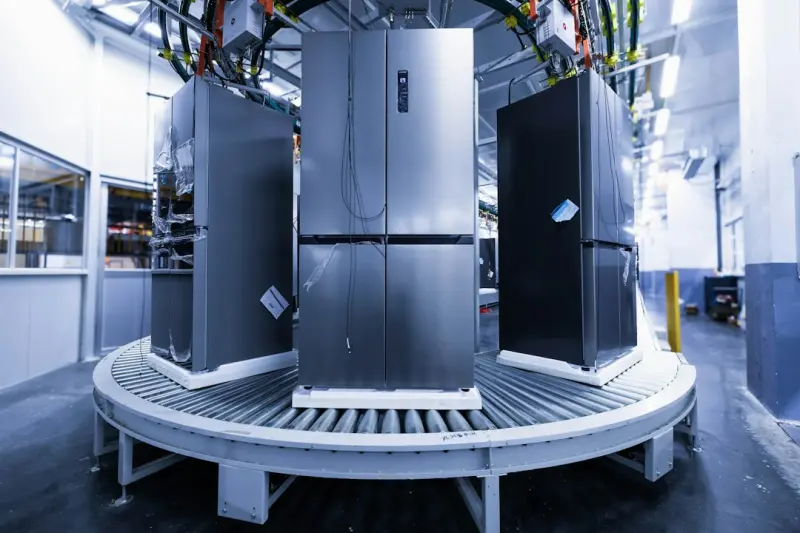
Subscription Appliance Repair: The Business Edge You’ve Been Missing
Subscription‑style appliance repair transforms unpredictable emergency costs into a strategic, data‑driven service, delivering financial predictability, fas...Read More

Designing Commercial Renovations That Put People First
Discover why putting people at the heart of commercial renovations delivers higher productivity, lower costs, and a lasting competitive edge....Read More
0 Comments
Post Comment
You will need to Login or Register to comment on this post!