
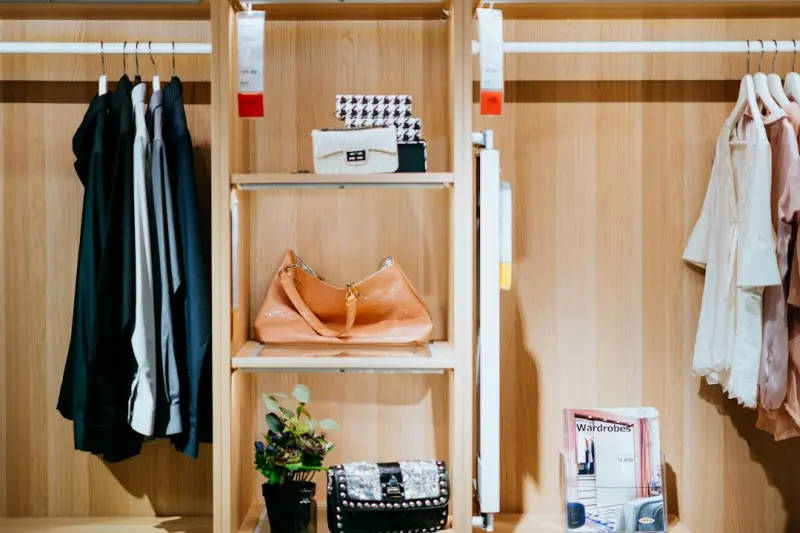
Why Traditional Closets Are Stuck in the Past
Walk into a typical walk‑in and you’ll find a chaotic mix of hanging rods, a few shelves, and a stubborn pile of shoes that never seems to move. It works—just barely—but it’s built on a 20th‑century mindset: “store more, organize later.” In an era where data guides everything from traffic flow to grocery lists, keeping a closet that operates on guesswork feels almost anachronistic.
Homeowners are increasingly demanding environments that anticipate their needs. A closet that simply reacts—by you, after you’ve already opened the doors—fails to meet that expectation. The next wave of storage solutions isn’t about adding another rod; it’s about turning the closet into a living system that learns, suggests, and even orders replacements before you notice a missing button.
The Core Components of an Intelligent Closet
Building an intelligent closet doesn’t require a complete overhaul of your house. Think of it as a modular upgrade, similar to swapping out a light fixture for an LED panel. The three pillars are:
- Sensors and Actuators: Weight sensors in drawers, RFID tags on garments, humidity probes to protect delicate fabrics, and motorized rails that glide on command.
- Edge‑Computing Hub: A small, dedicated processor (often a repurposed smart speaker chassis) that aggregates sensor data, runs lightweight AI models, and communicates with your broader home network.
- Intuitive Interface: A mobile app, voice‑activated assistant integration, or even a sleek touch panel embedded in the closet door that displays outfit suggestions, inventory counts, and maintenance alerts.
These components work together to transform a static storage space into a responsive ecosystem. When you add a new pair of sneakers, the weight sensor logs the change, the RFID tag registers the item, and the hub updates the digital inventory instantly.
Data‑Driven Wardrobe Management
At the heart of any intelligent closet is the data it collects. Here’s how that data becomes actionable:
- Seasonal Rotation Alerts: The system tracks wear frequency and climate patterns. As winter approaches, it nudges you to pull out the coat and store the summer dress, even suggesting which items need dry‑cleaning before the swap.
- Outfit Optimization: By analyzing color palettes, fabric textures, and previous outfit choices, the hub can propose combinations you might never have considered—perfect for those “I have nothing to wear” moments.
- Lifecycle Tracking: Every garment gets a digital lifespan based on wear cycles and material degradation. When the system flags a piece as “near end‑of‑life,” it can recommend donation charities or sustainable recycling options.
This approach isn’t just a vanity feature; it drives tangible benefits—reduced clothing waste, lower spending on impulse purchases, and a calmer morning routine.
Integrating with the Rest of Your Home
An intelligent closet should feel like a natural extension of your connected home infrastructure. If your home already uses a unified protocol (Matter, Zigbee, or Thread), the closet hub can speak the same language, sharing data with lighting, HVAC, and security systems.
Imagine this scenario: the closet detects a spike in humidity that could damage silk blouses. It signals the HVAC controller to adjust the dehumidifier settings just for that zone. Or, when you’re running late, a voice command to your home assistant asks the closet to “prep a power outfit,” and the system lights up the appropriate rack and slides the chosen items forward on a motorized rail.
Because the closet is part of the broader ecosystem, you also gain energy efficiency. The hub can power down sensors during periods of inactivity, or synchronize lighting with the closet’s internal LEDs to ensure you never waste electricity.
Designing for Longevity and Adaptability
One common pitfall in home renovation is building for a single use case and then watching the space become obsolete. The intelligent closet paradigm flips that script. By leveraging flexible home architecture, you can future‑proof your storage without sacrificing aesthetics.
Key design strategies include:
- Modular Frames: Use a grid of standardized tracks that can accept a variety of accessories—drawers, hanging rods, shoe racks—allowing you to reconfigure the layout as your needs evolve.
- Concealed Wiring: Run power and data cables through interior wall channels that can be accessed via removable panels. This makes upgrades (like swapping a hub for a more powerful version) painless.
- Material Choice: Opt for reclaimed wood or recycled metal finishes that not only look sophisticated but also align with sustainability goals—a subtle nod to the growing desire for eco‑responsible interiors.
When the hub is later replaced with a more advanced model, the existing sensors and rails remain compatible, extending the lifespan of the entire system.
From Closet to Wellness Hub
Beyond clothing, an intelligent closet can become a wellness node. Integrated aromatherapy diffusers can release a calming scent when you pull out yoga apparel, while UV‑C light compartments can sanitize shoes and handbags after a workout. The same humidity sensors that protect fabrics can also monitor indoor air quality, feeding data back to a central health dashboard.
In this way, the closet transcends storage and becomes a curated environment that supports daily rituals—whether that’s a quick meditation before work or a post‑gym routine that leaves you feeling refreshed.
Getting Started: A Practical Checklist
If the concept resonates, here’s a step‑by‑step roadmap to bring an intelligent closet to life:
- Audit Your Current Space: Measure dimensions, note existing shelving, and identify pain points (e.g., lack of shoe storage, difficulty finding accessories).
- Choose a Hub Platform: Look for devices that support open APIs and local processing—Raspberry Pi‑based hubs are popular for DIY enthusiasts, while commercial options from major smart‑home brands offer plug‑and‑play simplicity.
- Install Sensors: Start with weight sensors in drawers and RFID readers on a single rod. Expand gradually to include humidity and temperature probes.
- Tag Your Wardrobe: Affix inexpensive NFC or RFID stickers to each item. This is the most time‑consuming step, but you’ll reap the biggest organizational payoff.
- Integrate with Home Automation: Link the hub to your existing smart‑home ecosystem using the same protocol. Test a simple routine—like turning on closet lighting when the door opens.
- Develop or Adopt Software: Either code a custom dashboard (many open‑source projects exist) or subscribe to a subscription service that offers outfit suggestions and inventory alerts.
- Iterate and Refine: Use the system’s analytics to identify bottlenecks—perhaps a particular category of clothing isn’t being used. Adjust storage configurations accordingly.
The journey from “plain closet” to “intelligent closet” is iterative. You don’t need to deploy every sensor on day one; start small, gather data, and let the system evolve alongside your lifestyle.
Looking Ahead: The Closet as a Data Hub
As more homes adopt edge‑computing and IoT standards, closets will increasingly serve as micro‑data hubs. Imagine a scenario where your wardrobe data syncs with an online retailer, automatically suggesting replacements that match your style while offering sustainability ratings for each product. Or think about a neighborhood network where multiple homes share anonymized usage patterns, helping designers predict fashion trends in real time.
These possibilities may sound futuristic, but they’re already being piloted in forward‑thinking design labs. By embracing the intelligent closet now, you position your home to plug into these emerging ecosystems without a major retrofit later.
Conclusion: From Storage to Strategy
Storage has always been about capacity. Today, it’s about capacity with intelligence. An intelligent closet doesn’t just hold your clothes; it understands them, anticipates your needs, and integrates seamlessly with the rest of your home. It’s a small, often overlooked, opportunity to inject data‑driven efficiency into everyday life.
If you’ve been waiting for a compelling reason to upgrade your storage, consider this: a well‑engineered closet can shave minutes off your morning, extend the life of your garments, and even reduce your carbon footprint. All of that, without sacrificing the aesthetic you love.
Ready to turn your closet from a static repository into a dynamic ally? Start with a sensor, tag a few items, and watch the transformation begin.

Craig Brett is a freelancer with a passion for the outdoors. His love for nature inspires his work, bringing authentic and engaging perspectives to projects related to outdoor activities, adventure, and environmental topics.
Related Posts
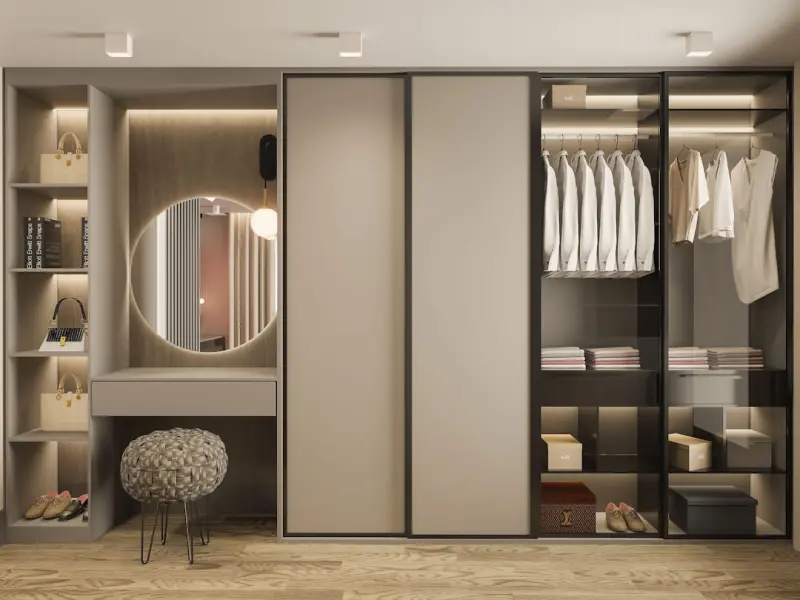
Smart Closet Design: Modular, Tech‑Enabled Solutions for Small Spaces
Transform cramped closets into sleek, modular systems with smart tech, vertical storage, and sustain... Read More

Reimagining the Closet: Smart, Sustainable Solutions for Modern Living
Explore innovative closet strategies that blend modular systems, smart tech, and sustainable materia... Read More

Revamp Your Closet: Smart Storage Solutions That Boost Space and Sustainability
Learn how to overhaul your closet with modular shelving, vertical storage, and sustainable materials... Read More
Top Posts

The Ultimate Home Renovation Checklist: Paul Gray's Essential Guide
Paul Gray shares his essential home renovation checklist. Discover how to plan, budget, find the right contractors, navigate permits, and manage your project fo...Read More

Crafting a Personal Microclimate: Smart, Sustainable Weather Proofing for Your Home
Discover a holistic, data‑driven approach to home weather‑proofing that blends windbreaks, green walls, smart moisture sensors, and adaptive shading to buil...Read More

Why Sheds and Gazebos Are the Unsung Heroes of Modern Workplaces
Sheds and gazebos can be transformed into high‑performance micro‑offices, offering health benefits, cost savings, and a future‑ready, sustainable work env...Read More
Lighting as Narrative: Crafting Mood with Layered Light
Explore the power of layered lighting—ambient, task, and accent—to create mood, support function, and add sustainable elegance to any interior space....Read More
0 Comments
Post Comment
You will need to Login or Register to comment on this post!