
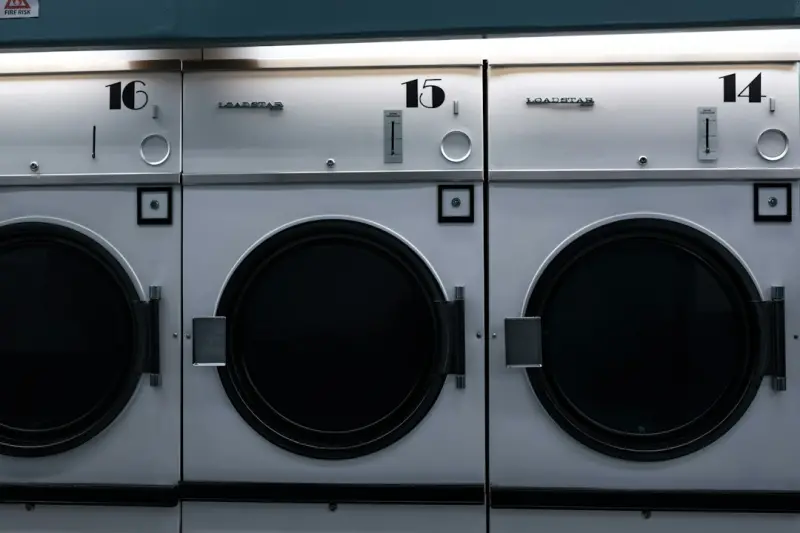
Why Appliance Repair Deserves a Seat at the Home‑Improvement Table
When most homeowners talk about upgrading their spaces, the conversation instantly drifts toward Kitchen Renovations That Stand the Test of Time or the latest in modular flooring. I get it—those projects are flashy and photogenic. But there’s a quieter, equally critical layer that rarely makes the headline: the health of the appliances that keep daily life humming. As someone who’s spent years juggling a wrench, a multimeter, and a surprisingly stubborn dishwasher, I’ve learned that appliance repair isn’t just a “fix‑it‑later” task; it’s a strategic move that protects your budget, your schedule, and even your peace of mind.
The Real Cost of Playing “It’ll Be Fine”
Let’s be honest. A humming refrigerator or a sputtering dryer is an inconvenience, not a crisis—right? Wrong. The hidden costs of postponing a repair compound quickly, and they’re not limited to the obvious repair bill.
- Energy Waste: A fridge with a failing seal or a dishwasher that doesn’t fully heat water can siphon an extra 10‑15% of your electricity usage. Over a year, that’s a noticeable spike on your utility statement.
- Food Spoilage: A thermostat glitch in your freezer can lead to dozens of pounds of wasted groceries. Think about the financial hit, plus the environmental impact of tossing perfectly good food.
- Unexpected Downtime: When your dryer finally quits mid‑cycle, you’re left with a pile of damp laundry and a schedule that suddenly looks a lot tighter.
- Secondary Damage: A leaking washing machine can ruin flooring, cabinets, and even the subfloor if left unchecked. The repair bill for the appliance suddenly balloons into a full‑blown renovation cost.
In my own kitchen, a faulty dishwasher seal turned into a weekend of pulling up hardwood, drying the subfloor, and reinstalling a new base cabinet. The repair bill for the dishwasher was $150; the collateral damage topped $2,000.
A Quick Diagnostic Checklist (DIY First, Call‑Out Later)
Before you reach for the phone, there’s a lot you can do with a basic toolbox and a dash of curiosity. Here’s my step‑by‑step “quick‑look” routine that saves both time and money.
- Listen and Feel: Does the appliance make unusual noises? A buzzing fridge could signal a failing compressor, while a rattling dryer often points to a worn drum belt.
- Check Power Supply: Verify that the outlet isn’t tripped and that the cord is intact. A loose plug can masquerade as a major malfunction.
- Inspect Seals and Gaskets: For refrigerators and freezers, the door gasket should be pliable and free of tears. A compromised seal is a silent energy thief.
- Run a Test Cycle: For dishwashers and washers, run a short cycle and watch for leaks, unusual vibrations, or failure to heat water.
- Read the Error Codes: Modern appliances often flash error codes on a small display. A quick search in the user manual (or a friendly Google query) can pinpoint the issue.
- Measure Temperature: Use an appliance thermometer to confirm that your refrigerator sits between 35°F and 38°F. Anything outside that range is a red flag.
If any of these steps reveal a clear problem you feel comfortable addressing—tightening a hose clamp, cleaning a condenser coil, or replacing a worn belt—go for it. For everything else, it’s time to call a professional.
When a Professional Is the Right Choice
Even the most seasoned DIYer hits a wall. Knowing when to hand the reins over is part of the smart repair mindset.
- Electrical Components: If you suspect a motor, compressor, or control board is at fault, the risk of shock outweighs the savings of a DIY fix.
- Refrigerant Issues: Any sign of a refrigerant leak (hissing sound, oily residue) requires a certified technician—handling refrigerants without proper certification is illegal in many jurisdictions.
- Complex Diagnostics: Modern appliances come with built‑in sensors and communication modules. If you can’t decode an error code after a thorough search, a professional with diagnostic tools is your best bet.
- Warranty Concerns: Attempting a repair on a still‑under‑warranty appliance can void the coverage. Check the warranty terms before you start unscrewing anything.
When I finally called in a specialist for my aging gas dryer, the technician not only fixed the heating element but also calibrated the thermostat, extending the dryer’s life by at least another five years.
Future‑Proofing Your Appliance Ecosystem
Now that we’ve tackled the “what” and “how,” let’s talk strategy. The most satisfying repairs are the ones you never have to make because you’ve built a resilient system from the start.
1. Embrace Predictive Maintenance
Just as building managers are turning to real‑time energy audits to spot inefficiencies, homeowners can leverage smart plugs and appliance‑specific sensors. These devices log power draw, cycle times, and temperature fluctuations, sending alerts when something deviates from the norm.
2. Schedule Seasonal Check‑Ups
Think of it like a car’s oil change. A quick 15‑minute visual inspection each spring and fall—checking seals, cleaning coils, and verifying connections—can catch wear before it escalates. I keep a printable checklist on my fridge door, right next to the grocery list, so the reminder is impossible to miss.
3. Keep an Organized Parts Library
When you replace a fridge water filter or a dishwasher rack, store the old part in a labeled bin. Over time you’ll build a mini‑inventory of common components—filters, hoses, gaskets—that can be swapped out on the fly, saving both time and shipping costs.
4. Choose Appliances with Serviceability in Mind
When it’s time to upgrade, look for models that publish service manuals online and have widely available replacement parts. Brands that design for modular repairs—think removable compressor modules or snap‑in dryer heating elements—make future fixes far less daunting.
Learning From Other Home‑Improvement Trends
Even though we’re not talking about a full‑blown renovation, the principles that drive successful building projects apply here, too. For instance, the Modular Radiant Floors movement teaches us the power of “plug‑and‑play” components. If you can replace a fridge coil in under ten minutes, why not treat each appliance as a modular system?
Similarly, the recent surge in biophilic design—bringing nature indoors—has reminded us that a healthy home environment starts with reliable, quietly running appliances. A humming refrigerator that runs efficiently doesn’t just save energy; it reduces the ambient noise level, contributing to a calmer living space.
Wrapping Up: A Small Investment for Big Returns
Appliance repair may never make the glossy Instagram feed, but it’s the unsung hero of a well‑run household. By staying proactive, performing basic diagnostics, and knowing when to enlist a professional, you protect your wallet, your schedule, and your sanity. The next time you hear that faint thrum from the dryer or notice a slight frost build‑up in the freezer, remember: a few minutes of attention now can prevent a cascade of costly repairs later.

Kelly Reynolds is a dynamic freelance writer hailing from the picturesque landscapes of Alberta. A master of the written word, she juggles her passion for storytelling with the exhilarating chaos of being a mother to five spirited children. With an impressive portfolio that spans various genres, Kelly captivates readers through her engaging blog posts and thought-provoking articles.
Related Posts

Smart Appliance Repair: Turning Breakdowns into Predictive Opportunities
The post explores the shift from reactive fixes to predictive, data‑driven appliance repair, highl... Read More

The Real Value of Proactive Appliance Repair: Small Fixes, Big Savings
A proactive approach to appliance repair prevents expensive breakdowns, reduces downtime, and suppor... Read More

Why Remote Diagnostics Are the Future of Appliance Repair
Remote diagnostics turn appliances into proactive partners, letting technicians diagnose issues befo... Read More
Top Posts

The Future of Home Design: How Sustainable Practices Are Revolutionizing the Industry
The future of home design is all about embracing sustainable practices that benefit both homeowners and the environment. Learn more about the latest trends and ...Read More

The Sunroom Revolution: From Seasonal Retreat to Hybrid Work‑Wellness Hub
A modern sunroom can be more than a bright nook—it can serve as a hybrid work‑wellness hub. Learn how to design, equip, and maintain the space for productiv...Read More

Solar‑Powered Edge Computing: Fueling the Next Generation Workplace
Solar‑powered edge computing merges renewable energy with on‑site data processing, delivering lower electricity bills, faster application performance, and a...Read More

Designing Adaptive Facades: A New Paradigm for Resilient Architecture
Adaptive façades are transforming the building envelope from a static barrier into a responsive, data‑driven skin. This article examines the science, case st...Read More
0 Comments
Post Comment
You will need to Login or Register to comment on this post!